
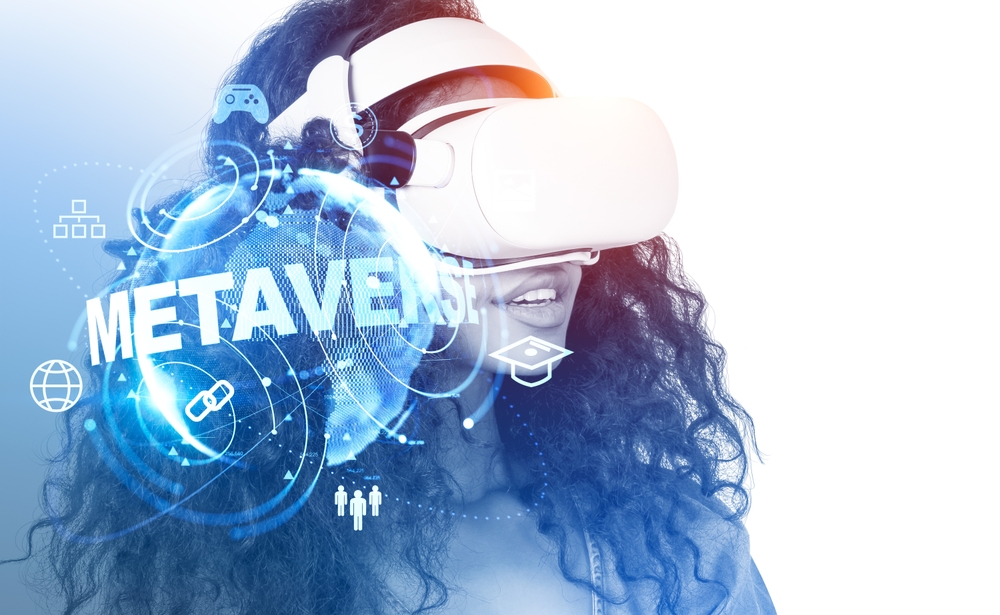
In an era dominated by rapid technological advancements, the emergence of smart glasses has ignited a heated debate surrounding privacy and surveillance. As these devices transition from novelty items to mainstream products, concerns about their potential misuse and the implications for personal privacy are becoming increasingly relevant, particularly in South Africa. With existing laws struggling to keep pace with the digital landscape, the question remains: Are smart glasses a harmless innovation or a stepping stone towards an era of invisible surveillance?
Smart glasses, equipped with augmented reality features and the ability to record audio and video, resemble ordinary eyewear at first glance. However, their functionalities extend far beyond mere aesthetics. These devices can capture images, stream live content, and store data, often operating discreetly. The danger lies in their capability to record without the knowledge or consent of those being filmed. Unlike traditional devices like smartphones, which typically require a deliberate action to capture footage, smart glasses can surreptitiously document a person’s surroundings.
Allan Juma, a representative from ESET, a leading cybersecurity firm, has raised alarm bells regarding the implications of these devices in South Africa. He notes that while smart glasses are not officially sold in the country, they are already in use, creating a significant privacy risk. Juma emphasizes that the real concern is not just about the technology itself, but rather the potential for it to facilitate covert surveillance. With the user able to record without overt indicators, such as a conspicuous camera lens, individuals may find themselves unwittingly captured on video, exposing them to potential exploitation and abuse.
The legal landscape in South Africa, particularly the Protection of Personal Information Act (POPIA), attempts to safeguard individuals from privacy violations. However, Juma describes the law’s provisions as akin to “baby teeth,” suggesting that while it offers some level of protection, it is insufficient to address the nuances of modern technology. POPIA mandates that individuals must obtain consent before recording others, but enforcing this requirement in the context of smart glasses poses a considerable challenge. The subtlety of the recording process makes it difficult for individuals to be aware of when they are being filmed, potentially leading to a culture of invisible surveillance.
Key points to consider when reflecting on the implications of smart glasses in South Africa include the following:
1. **Invisibility of Surveillance**: Unlike conventional recording devices, smart glasses can operate covertly, making it difficult for individuals to know when they are being recorded. This raises concerns about consent and personal autonomy.
2. **Existing Legal Framework**: While POPIA seeks to protect personal information, its effectiveness is hindered by technological advancements that outpace legislative measures. The law must evolve to address the complexities of emerging technologies.
3. **Potential for Misuse**: The ability to record without consent opens the door for potential exploitation, including harassment and unauthorized data usage, highlighting the need for robust cybersecurity measures.
For traders and investors in the tech sector, the rise of smart glasses presents both opportunities and challenges. On one hand, the growing demand for wearable technology may lead to significant profitability for companies at the forefront of innovation in this space. Tech investors should carefully monitor advancements in smart glasses and related fields, as they may unlock new markets and revenue streams. On the other hand, the implications for privacy and surveillance could prompt regulatory scrutiny, impacting the long-term viability of businesses involved in wearable technology.
In conclusion, the advent of smart glasses raises critical questions about privacy, consent, and the ethics of surveillance in an increasingly digital world. While these devices offer exciting possibilities for augmented reality and connectivity, they also pose significant risks to individual privacy. As South Africa grapples with the challenges of protecting personal information in an age of invisible surveillance, it is essential for lawmakers, tech companies, and consumers alike to engage in constructive dialogue about the responsible use of technology. Only by addressing these concerns head-on can society harness the benefits of innovation while safeguarding individual rights and freedoms.