
In the ever-evolving landscape of finance, asset management plays a pivotal role in generating wealth for investors and facilitating capital flow across various markets. Ninety One Limited, the largest asset management firm on the African continent, recently unveiled its financial results for the fiscal year concluding on March 31, 2026. With a remarkable assets under management (AUM) figure nearing R4 trillion, the company continues to solidify its status as a key player in the investment sector. In this blog post, we will delve into the financial performance of Ninety One, explore the implications of current market conditions, and offer insights for traders and investors navigating this dynamic environment.
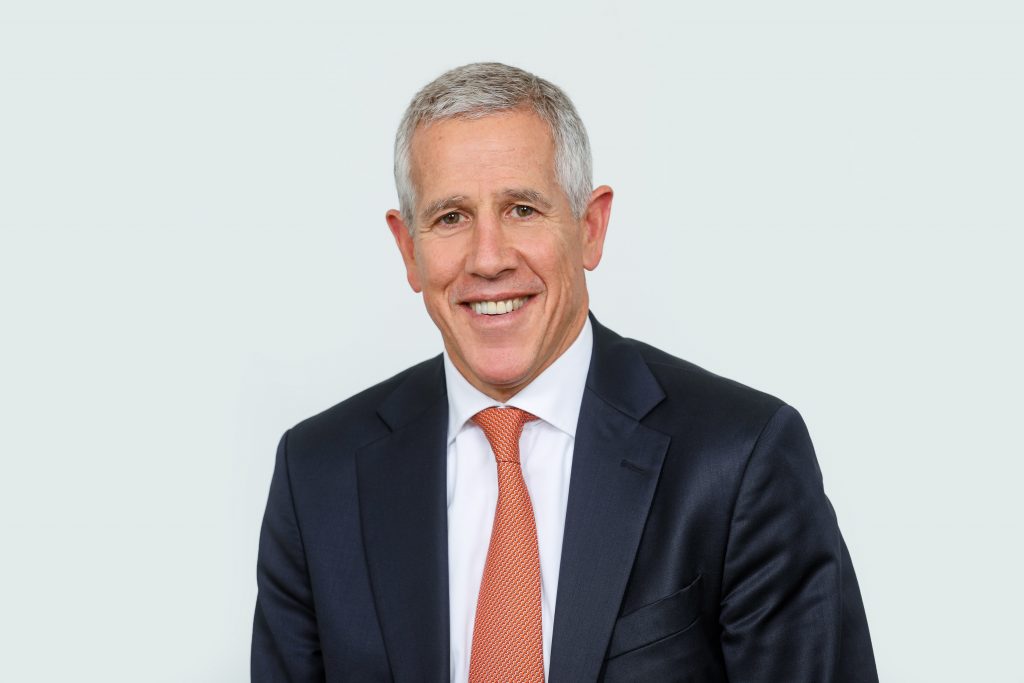
Ninety One’s financial year 2026 has proven to be a noteworthy chapter in its ongoing narrative of growth and success. The firm’s AUM, reported at approximately R3.9 trillion, showcases its ability to attract capital even amidst turbulent global conditions. Hendrik du Toit, the founder and CEO, shared valuable insights during a recent interview that shed light on the firm’s performance and its strategic positioning.
Reflecting on the past year, Du Toit expressed a sense of satisfaction with the overall results, highlighting that the first half of the year was particularly strong in terms of net inflows, which approached the £3 billion mark. However, the latter half of the financial year presented challenges, primarily due to geopolitical tensions, notably the conflict in the Middle East. Du Toit noted that while the firm achieved higher earnings due to an enlarged asset base, the second half of the year was less fruitful than anticipated, with several anticipated wins postponed.
One of the most intriguing aspects of Ninety One’s performance is its focus on emerging markets. With 60% of its operations concentrated in South Africa, the firm is also making significant strides internationally. There is a growing interest in emerging markets, particularly in sectors such as technology. Du Toit pointed out that companies in the Chinese, Korean, and Taiwanese tech industries are starting to attract substantial international capital. This influx is expected to enhance potential returns for investors, as these regions become increasingly appealing for investment.
Despite these positive indicators, the current market landscape presents its own set of challenges. The trend of narrowing market participation, where a few large companies dominate trading activities, is a notable concern. High-profile firms such as SpaceX, OpenAI, and Anthropic have rapidly achieved valuations exceeding $1 trillion, drawing significant attention from investors. This concentration of investment in a limited number of stocks could potentially create vulnerabilities within portfolios, leading to increased risk for asset managers like Ninety One.
From an asset management perspective, managing risk is just as crucial as securing returns. Du Toit acknowledged the prevailing concerns regarding the so-called ‘AI trade,’ emphasizing the need for vigilance in avoiding overexposure to a single sector. The growing enthusiasm for artificial intelligence technologies has indeed resulted in a surge of capital flowing into related ventures. Still, the potential for bubble-like conditions necessitates a balanced approach to portfolio management.
Key takeaways from Ninety One’s recent performance include the following points:
1. **Strong Financial Results**: Ninety One’s AUM nearing R4 trillion signifies robust growth, reflecting successful capital attraction strategies despite global economic uncertainties.
2. **Emerging Market Focus**: The firm’s emphasis on emerging markets, particularly in the tech sector, is a promising avenue for future growth and investment returns.
3. **Market Concentration Risks**: The trend of large-cap companies dominating market performance raises concerns about potential vulnerabilities in investment portfolios, highlighting the need for diversification.
4. **Risk Management**: With the allure of the AI trade, asset managers must remain cautious about overconcentration in specific sectors, ensuring a balanced approach to investment strategies.
For traders and investors, the insights gleaned from Ninety One’s performance offer valuable lessons in adapting to the current market environment. While the potential for high returns in emerging markets is enticing, it is essential to maintain a diversified portfolio that mitigates risks associated with market concentration.
In conclusion, Ninety One Limited’s financial year 2026 results underscore the firm’s resilience and adaptability in a challenging landscape. As the world of finance continues to change, staying informed about market dynamics and emerging opportunities will be paramount for investors. By balancing the pursuit of returns with prudent risk management, asset managers can navigate the complexities of today’s financial markets while positioning themselves for sustained growth in the future.