
In a country rich in resources and potential, South Africa’s economy is still grappling with the shadows of its apartheid past. Despite being decades post-democracy, the structure of the economy remains significantly influenced by historical patterns of ownership and market dominance. Recent findings from the Competition Commission’s Concentration Tracker Report reveal the extent of this issue, highlighting the need for urgent reforms to foster competition and inclusivity in the nation’s economic landscape.
The Competition Commission’s report provides a comprehensive analysis of the concentration levels across various sectors of the economy, drawing insights from tax data covering more than 450,000 firms between 2017 and 2021. This extensive research offers a window into understanding how entrenched monopolistic practices continue to stifle competition and economic growth in South Africa.
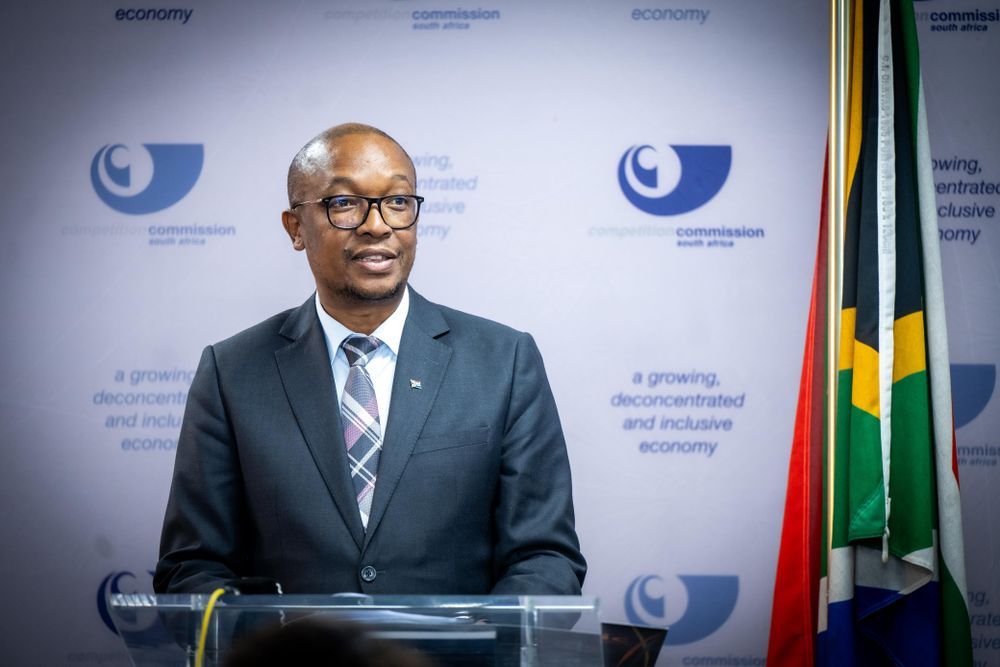
The findings of the report indicate that a significant portion of the economy remains dominated by a small number of firms. Trade, Industry, and Competition Minister Parks Tau emphasized that this concentration is a direct inheritance from the apartheid regime, which strategically engineered an economy that favored a select elite while excluding the majority of the population from meaningful participation. Tau’s assertion underscores the fact that the structural barriers created during apartheid have not dissolved with the advent of democracy. Instead, they persist in various forms, influencing everything from market control to access to financing opportunities.
According to the report, while there have been slight improvements in concentration levels—dropping from 21.5% of sub-sectors classified as highly concentrated in 2017 to 17% in 2021—there is still an alarming trend in the dominance of a few firms. Notably, in 46% of sub-sectors analyzed, the top three firms maintained control of at least 40% of turnover by 2021. This level of concentration is particularly pronounced in critical industries such as manufacturing, mining, and energy, where barriers to entry for smaller firms remain high.
The implications of such high levels of concentration are dire. The Competition Commission warns that these dynamics hinder competition, stifle entrepreneurial growth, and ultimately undermine job creation. With South Africa’s unemployment rate recently rising to 32.7%, the urgency of addressing these issues cannot be overstated. Commissioner Doris Tshepe articulated that concentrated markets impose high prices on essential products and services, further squeezing downstream industries and limiting their ability to thrive.
Furthermore, the report highlights the stark contrast in economic contribution between large firms and their smaller counterparts. While micro, small, and medium enterprises (MSMEs) make up an impressive 97% of all firms in South Africa, they account for only 22% of total turnover. In contrast, large firms—though constituting a mere 3% of the total—dominate the market with 78% of turnover. This disparity not only reflects the challenges faced by smaller enterprises but also indicates a systemic bias that favors larger, established players.
For traders and investors, these findings present both challenges and opportunities. The concentration trend suggests that while traditional sectors may be dominated by a few key players, there remains significant potential for growth in areas where competition can be fostered. Investors looking to support economic diversification might consider identifying sectors where regulatory changes could enhance competition and support the growth of SMEs.
From an investment perspective, sectors like technology, renewable energy, and local manufacturing may present opportunities to capitalize on emerging trends, particularly as the government seeks to stimulate competition and encourage greater participation from smaller firms. Moreover, with a growing emphasis on sustainable and socially responsible investing, there is an opportunity for investors to align their portfolios with enterprises that prioritize inclusivity and equitable growth.
In conclusion, the legacy of apartheid continues to cast a long shadow over South Africa’s economy, as highlighted by the Competition Commission’s Concentration Tracker Report. While some progress has been made in reducing market concentration, significant challenges remain. Addressing these issues is crucial not only for fostering competition and economic growth but also for ensuring that the benefits of economic participation are accessible to all South Africans. Stakeholders, including policymakers, traders, and investors, must work collaboratively to dismantle the structural barriers that hinder economic inclusivity and unlock the full potential of the nation’s diverse entrepreneurial landscape.