
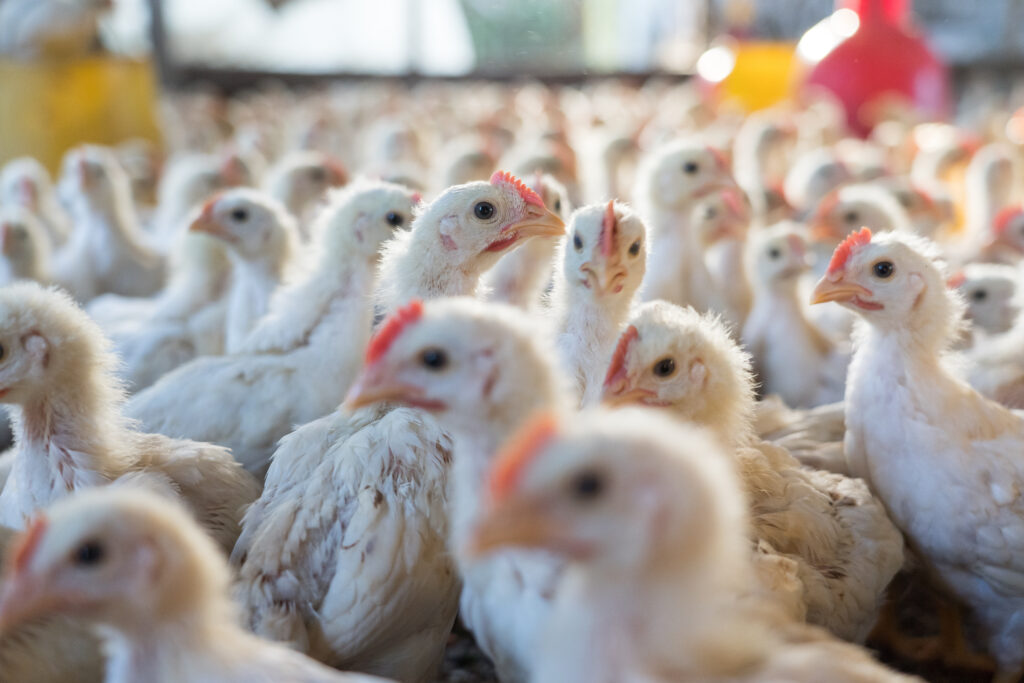
The agricultural landscape of South Africa is undergoing a significant transformation, particularly in how the country addresses animal diseases. The recent policy shift announced by John Steenhuisen, the Minister of Agriculture, reflects a critical evolution in the management of avian influenza—commonly known as bird flu. This innovative approach aims not only to protect poultry farmers and their livelihoods but also to stabilize food prices for consumers. While the move is commendable, it comes in the context of broader challenges within the sector, including concerns over foot-and-mouth disease (FMD) and other pressing issues that have left farmers feeling vulnerable.
As the world grapples with the implications of climate change, the need for effective disease management strategies becomes increasingly urgent. The traditional response to outbreaks of bird flu relied heavily on mass culling, a method that has proven to be not only ineffective but also detrimental to the farming community and the economy at large. In 2023 alone, the poultry industry faced losses of around R10.5 billion due to culling measures, leading to heightened food insecurity and soaring prices for consumers. The new policy proposed by Steenhuisen, which permits regulated vaccination of poultry, marks a paradigm shift that seeks to mitigate these adverse effects.
The rationale behind this policy transformation stems from the realization that the old “stamping out” model—based solely on culling—failed to provide a sustainable solution to disease outbreaks. The uncertainty created by frequent culling led to instability within the poultry sector, undermining the confidence of farmers and jeopardizing their businesses. The Minister acknowledges that a robust response to such challenges requires innovative thinking and a comprehensive review of existing practices.
One of the key takeaways from Steenhuisen’s announcement is the emphasis on rebuilding South Africa’s biosecurity infrastructure, which has languished over the past two decades. This initiative is not just about addressing bird flu; it encompasses a broader commitment to enhancing the country’s overall resilience against various animal and plant diseases. The Minister has highlighted the importance of changing policies that govern disease management, recognizing that the landscape of agriculture is evolving rapidly.
Additionally, the poultry sector’s call for a more flexible approach to vaccination played a pivotal role in this policy shift. The formal objections raised by industry stakeholders indicated a need for government action and provided the impetus for reevaluating the previous stance on vaccination. This collaborative spirit between the government and the agricultural community is essential for developing effective solutions that cater to the unique challenges facing the sector.
For traders and investors, this new direction in disease management could represent both opportunities and risks. The implementation of regulated vaccination may enhance the stability of poultry production, thereby protecting investments in the sector. However, investors should remain vigilant regarding the ongoing challenges posed by other diseases, such as foot-and-mouth disease, which continue to plague farmers. The unresolved issues surrounding the R500 million Onderstepoort Project, now under investigation by the Special Investigating Unit (SIU), further underscore the complexities that investors must navigate.
In conclusion, South Africa’s agricultural policy is at a crucial juncture, as the government seeks to adopt a more pragmatic approach to animal disease management. The shift towards vaccination against bird flu is a promising development that aims to safeguard the interests of farmers and consumers alike. However, the success of this initiative hinges on the government’s ability to address existing challenges and foster a resilient biosecurity ecosystem.
As the agricultural sector adapts to the realities of climate change and evolving disease threats, stakeholders must work collaboratively to ensure that policies are not only responsive but also sustainable. For traders and investors, understanding these dynamics will be key to making informed decisions and capitalizing on the opportunities that arise in this transformative period for South African agriculture.