
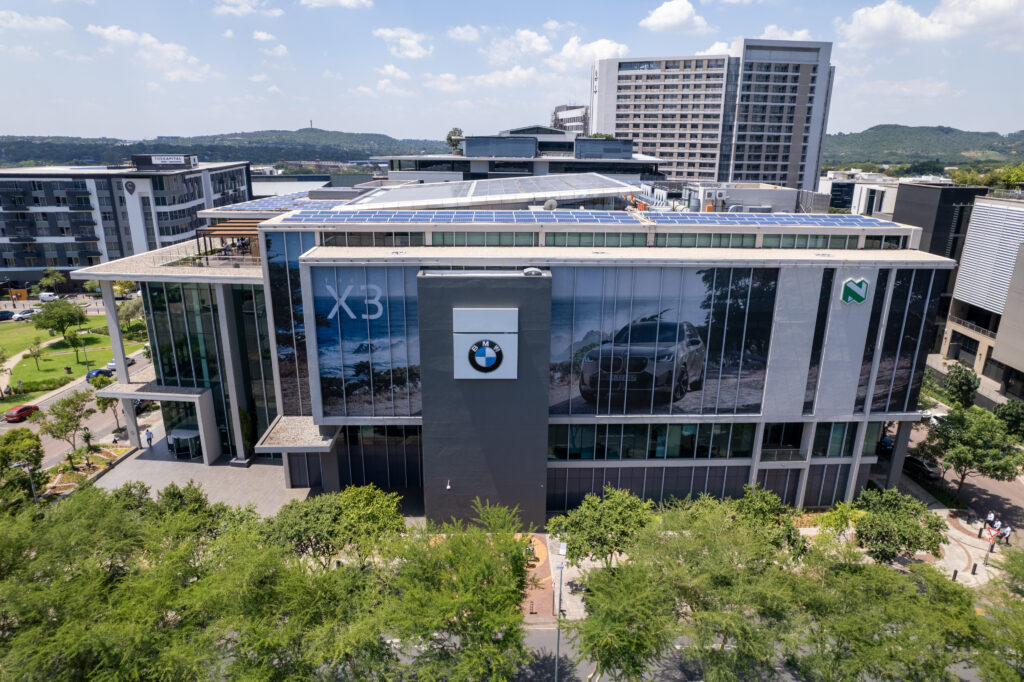
The automotive industry in South Africa has long been a cornerstone of the nation’s economy, but it is the evolution of technology and innovation that promises to propel it into the future. A prime example of this transformation is the BMW IT Hub in Pretoria, which has recently marked its 20th anniversary. With a workforce expansion from a mere 12 employees to approximately 1,500 skilled technology professionals, the hub is not only a significant contributor to the local economy but also plays a critical role in BMW’s global digital strategy. In this blog post, we will explore the accomplishments of the BMW IT Hub, its impact on the South African economy, and the implications for investors and traders in the automotive and technology sectors.
Established in 2006 at the BMW Plant Rosslyn, the IT Hub has evolved from a simple support center into a vital component of BMW’s technological infrastructure. Now located in Menlyn Maine, Pretoria, it manages operations and services that span 134 BMW locations worldwide. This includes everything from production line data management to customer-facing digital platforms. The hub’s growth is indicative of South Africa’s potential to be a hub for technological innovation, showcasing the country’s ability to nurture high-skilled talent.
The significance of the BMW IT Hub cannot be overstated. Thorsten Achenbach, the director of the hub, describes it as a “hidden gem” within the BMW Group, which has become an integral part of the company’s global digital vision. The hub stands as a testament to South Africa’s commitment to harnessing local talent for global initiatives. Achenbach emphasizes that the hub reflects BMW’s dedication to turning local capabilities into innovative solutions that benefit the entire group.
Furthermore, the hub’s success story is intertwined with collaboration with academic institutions such as the University of Pretoria and the University of Stellenbosch. These partnerships highlight the importance of education and skill development in driving economic growth. By working closely with leading universities, the BMW IT Hub ensures that its workforce is equipped with the knowledge and skills needed to thrive in a rapidly evolving technological landscape.
The economic implications of the BMW IT Hub’s success are substantial. With projections to contribute around R4 billion to the South African economy this year through foreign exchange earnings, the hub plays a pivotal role in the financial stability of the region. Peter van Binsbergen, CEO of BMW South Africa, underscores the importance of this milestone, noting that the hub has transformed from a mere support center to a global innovation powerhouse. As the automotive sector increasingly leans towards artificial intelligence and data-driven mobility solutions, the expertise housed within the Pretoria hub is expected to be at the forefront of these developments.
Key takeaways from the BMW IT Hub’s journey include the importance of building strong ties between industry and education, the value of investing in local talent, and the significant economic contributions that technology can make. Gauteng Premier Panyaza Lesufi echoes this sentiment, highlighting the provincial government’s support for the hub, which aligns with Gauteng’s long-term vision for inclusive and sustainable economic development. The hub’s growth not only creates jobs but also fosters an environment conducive to innovation and industrialization.
For traders and investors, the success of the BMW IT Hub signals a promising avenue for investment in South Africa’s automotive and technology sectors. As global companies increasingly recognize the value of local talent, opportunities for collaboration and investment are likely to expand. This trend may result in a ripple effect, encouraging more multinational firms to establish operations in South Africa, further solidifying the nation’s position as a key player in the global economy.
In conclusion, the BMW IT Hub’s two-decade journey is a remarkable example of how local innovation can drive global success. With its substantial contributions to the economy and its role in shaping the future of mobility through technology, the hub exemplifies the potential that exists within South Africa. As the automotive industry continues to evolve, the lessons learned from the BMW IT Hub can serve as a blueprint for other sectors aiming to harness local talent and drive sustainable growth. The future looks bright, and investors should keep a close eye on the developments emanating from this thriving technological hub.