
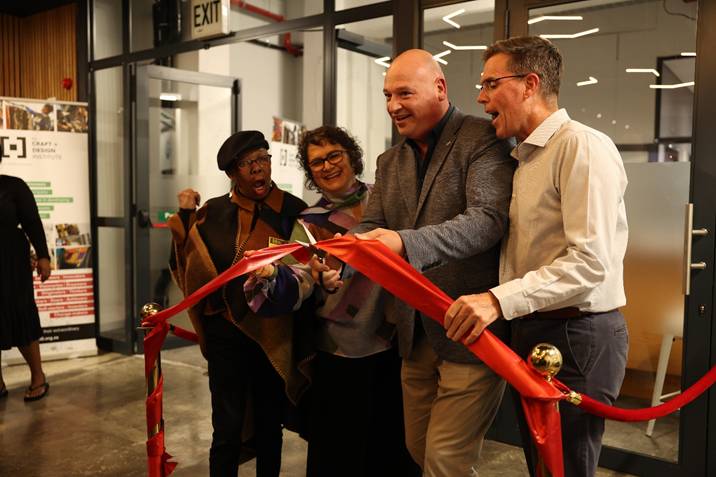
In the heart of Cape Town, the V&A Waterfront is taking significant steps to foster entrepreneurship and economic inclusivity through its latest venture, the Circular Maker Space at the Cape Town Cruise Terminal. This innovative facility, developed in partnership with Growthpoint Properties and the Government Employees Pension Fund, serves as a beacon for local designers, makers, and creative entrepreneurs. As the world increasingly recognizes the importance of sustainable business practices, this initiative stands out as a model for how public-private partnerships can drive economic growth and community development.
The Circular Maker Space is designed to offer local creatives access to tools, business support, and networking opportunities that are vital for turning innovative ideas into commercially viable products. By situating this facility in one of South Africa’s most visited tourist destinations, which attracts over 24 million visitors annually, the initiative aims to provide entrepreneurs with a unique platform to showcase their creations and expand their market reach. This approach not only enhances the visibility of local talent but also encourages a broader engagement with the tourism sector, thereby driving economic development.
A closer look at the underlying principles of the Circular Maker Space reveals that it is more than just a workshop; it represents a commitment to circular production and sustainable enterprise growth. The facility is built around the concept of reducing waste and promoting resource efficiency, which aligns with the growing global emphasis on sustainability in business practices. This focus on eco-friendly production methods not only benefits the environment but also positions local entrepreneurs to appeal to a market increasingly concerned with sustainability.
The investment in the Circular Maker Space is part of a larger strategy by the V&A Waterfront to support small businesses and foster enterprise development. Over the past decade, the Craft and Design Institute (CDI), which will operate the facility, has already proven its impact by facilitating over R200 million in direct investments into small, medium, and micro enterprises (SMMEs). Additionally, these efforts have led to the creation of thousands of jobs across South Africa, highlighting the potential for such initiatives to stimulate broader economic growth.
The leadership at V&A Waterfront emphasizes the importance of investing in small businesses and the creative economy as a long-term strategy for the region’s economic health. Graham Wood, CEO of V&A Waterfront, notes that supporting entrepreneurship is synonymous with investing in the future of Cape Town. The establishment of the Circular Maker Space is a clear reflection of this commitment, aiming to create meaningful opportunities for local makers while encouraging sustainable business practices.
In a collaborative spirit, the initiative showcases the power of partnerships between public and private sectors to drive economic development. Najwah Allie-Edries, head of the Jobs Fund, underscores the significance of this collaboration, stating that it exemplifies the goal of creating connected ecosystems of opportunity. By leveraging resources and expertise from various stakeholders, the Circular Maker Space aims to foster sustainable livelihoods and economic participation among local entrepreneurs.
Furthermore, Erica Elk, the CEO of CDI, highlights the facility’s ambition to serve as a national resource, transcending Cape Town’s borders to support creators across South Africa and even the continent. This vision positions the Circular Maker Space as a center of excellence, providing access to essential tools and networks that can empower entrepreneurs to bring their ideas to fruition.
Key takeaways from this initiative include:
1. **Support for Local Entrepreneurs**: The Circular Maker Space is a vital resource for local designers and makers, offering them the tools and support needed to grow their businesses.
2. **Focus on Sustainability**: With an emphasis on circular production, the facility encourages environmentally conscious practices among entrepreneurs, aligning with global sustainability trends.
3. **Public-Private Collaboration**: The partnership between Growthpoint Properties, the Government Employees Pension Fund, and the CDI demonstrates the effectiveness of combining resources and expertise to drive economic growth.
4. **National Impact**: The initiative aims to reach beyond Cape Town, serving as a hub for creators across South Africa and potentially the continent, amplifying its impact.
For traders and investors, the establishment of the Circular Maker Space signals a growing recognition of the creative economy’s potential. Investing in initiatives like this can yield not only financial returns but also contribute to a more sustainable and inclusive economic landscape. As consumer preferences shift towards businesses that prioritize ethical practices and community engagement, supporting such ventures can align financial interests with social responsibility.
In conclusion, the V&A Waterfront’s Circular Maker Space is a noteworthy step towards fostering creativity, sustainability, and economic inclusivity in South Africa. By investing in local talent and encouraging sustainable practices, this initiative has the potential to transform the entrepreneurial landscape and create lasting economic benefits for the region. As we look to the future, such models of collaboration and innovation will be crucial in addressing the challenges faced by small businesses and the broader economy.