
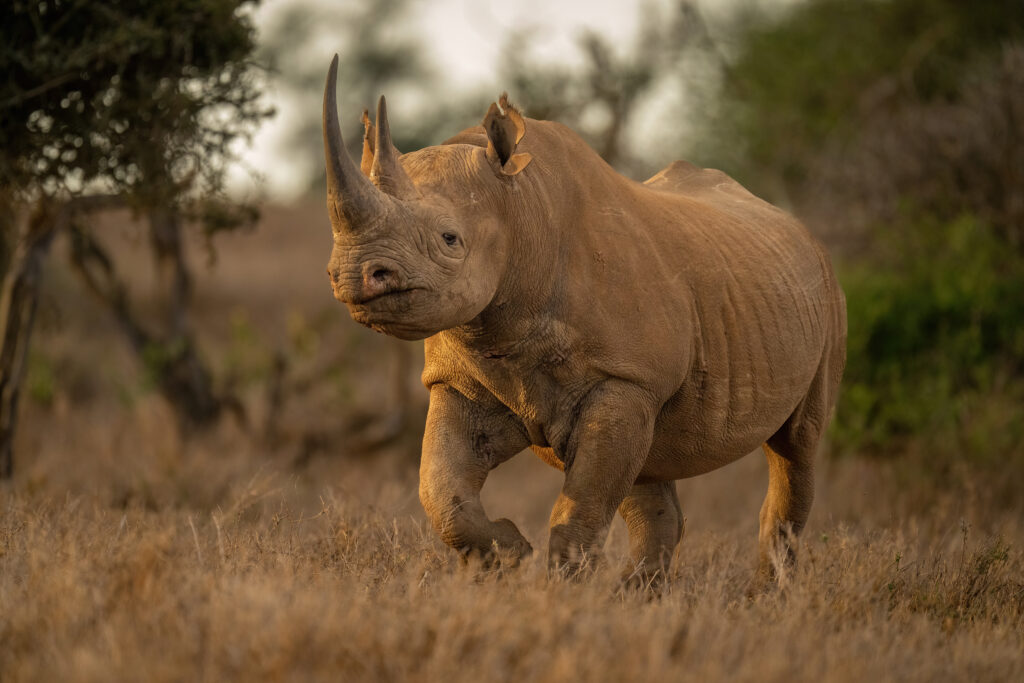
The majestic black rhino, once teetering on the brink of extinction, is making a triumphant return to Zimbabwe’s Zambezi Valley after three decades. This significant event marks a pivotal moment in conservation efforts, fueled by the passion and resources of billionaire philanthropists and dedicated organizations. As we delve into the details, we’ll explore what this reintroduction means for the species, the ecosystem, and the broader landscape of wildlife conservation.
Historically, the black rhino population in Zimbabwe’s Zambezi Valley suffered a dramatic decline, plummeting from around 3,500 individuals in the early 1980s to a mere 400 by the early 1990s. This drastic decrease was primarily due to rampant poaching, driven by the high demand for rhino horns in illegal markets. To safeguard the remaining population, conservationists undertook a massive evacuation, relocating black rhinos to safer environments across Zimbabwe and even as far as Texas and Australia.
Fast forward to recent developments, and we find that 17 black rhinos have been airlifted back to Matusadona National Park, a reserve that is now partly funded by the foundation of Swiss billionaire Hansjörg Wyss. Managed by African Parks, a nonprofit organization focused on wildlife conservation, the park is poised to become a sanctuary for this endangered species once again. According to Michael Pelham, the park manager who played a crucial role in the original evacuation, this reintroduction is the culmination of a 30-year journey towards restoring the black rhino population in their historical habitat.
The initiative is not just about bringing rhinos back; it signifies a comprehensive strategy to establish a stable and thriving population in Matusadona National Park. To this end, an additional 20 black rhinos are scheduled to be introduced next year. Initially, these animals will be kept in enclosures to help them acclimatize to their new surroundings before being released into the wild.
One of the key challenges that still looms over this ambitious conservation effort is poaching. Despite the ongoing threat, the situation has improved significantly in recent years. The park is now equipped with a greater number of rangers, and its unique topography—featuring both lake shores and steep escarpments—facilitates effective monitoring of potential poaching activities. Advanced technologies such as drones and infrared sensors are employed to enhance surveillance capabilities, thereby increasing the chances of deterring illegal hunters.
The current global black rhino population stands at approximately 7,000, with around 800 residing in Zimbabwe. The majority of the remaining population is distributed across other southern African nations. The efforts by African Parks, which was established in 2000 and now manages 24 parks across the continent, are crucial for the survival of this species. With an annual budget exceeding $160 million, the organization relies on funding from various sources, including the European Union, conservation organizations, and wealthy individuals like Wyss, Rob Walton, and Howard G. Buffett.
Key takeaways from this initiative include the importance of strategic partnerships in conservation, the innovative use of technology for monitoring and protection, and the need for community involvement in preserving wildlife. By reintroducing black rhinos to their native habitat, conservationists not only aim to restore the species but also to foster a healthier ecosystem that benefits various flora and fauna.
For traders and investors looking to engage with conservation-focused initiatives, this case illustrates the potential for impactful investments in sustainable practices. Engaging in wildlife conservation not only contributes to ecological balance but can also enhance local economies through eco-tourism. As the demand for ethical and sustainable investments grows, opportunities in this sector are likely to expand.
In conclusion, the reintroduction of black rhinos to Matusadona National Park is not just a story of hope for an endangered species; it encapsulates the broader narrative of humanity’s responsibility towards wildlife conservation. With continued efforts from dedicated individuals and organizations, the tide may finally be turning in favor of not only black rhinos but also the myriad ecosystems that depend on their existence. This initiative serves as a reminder that with commitment, collaboration, and innovative approaches, we can turn the page on extinction and pave the way for a more sustainable future for all living creatures.