
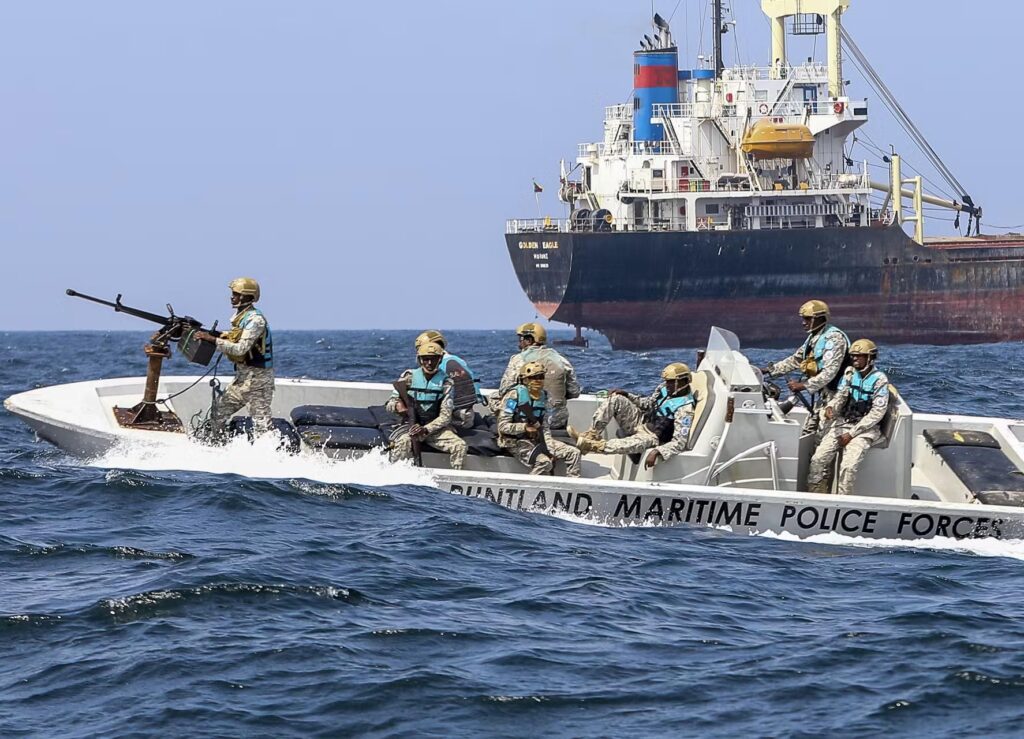
In recent weeks, the world has been reminded of a dark chapter in maritime history as Somali piracy appears to be making a comeback. The hijacking of the Egyptian merchant vessel Sward off the coast of Somalia has reignited fears about the safety of shipping routes in one of the world’s most critical maritime corridors. With the Sward still in the hands of armed men and additional vessels being targeted, the implications of this resurgence could have far-reaching effects on global trade and security.
The phenomenon of Somali piracy is not new; it reached its peak between 2005 and 2012 when over 1,000 attacks were recorded, leading to the hijacking of 218 vessels and the captivity of thousands of sailors. During that tumultuous period, shipowners were forced to pay around $50 million annually in ransoms, while the broader economic implications resulted in losses estimated at $18 billion due to disrupted trade and heightened security measures. However, a combination of international naval patrols, private security measures, and local development initiatives had largely quelled the threat—until now.
The recent incidents, including the hijacking of two oil tankers, Honour 25 and Eureka, along with traditional dhows being repurposed as “motherships” for piracy, suggest that the complex web of motivations behind Somali piracy has not been completely dismantled. Instead, it appears that pirate networks have merely been lying in wait, biding their time until conditions allowed for a resurgence.
One of the most alarming aspects of this situation is the political undercurrent that has historically been tied to piracy in Somalia. Research indicates that spikes in pirate activity often correlate with periods of political instability. Currently, Somalia is grappling with a constitutional crisis that has raised eyebrows globally. The federal government’s decision to postpone the 2026 general election and dissolve newly elected parliaments in various regions adds layers of uncertainty that could embolden piracy crews.
Internationally, the geopolitical landscape has shifted as well. The recent recognition of Somaliland by Israel has created new alliances that could have a ripple effect on the dynamics within Somalia. Neighboring countries, especially Saudi Arabia, view the integrity of Somalia as vital for maintaining security in the Red Sea and Gulf of Aden, further complicating the situation. These regional tensions could provide the perfect breeding ground for piracy to flourish once again.
Key takeaways from these developments highlight the need for vigilance and proactive measures in the shipping and trade sectors. The resurgence of piracy poses a multi-faceted threat not just to vessels traversing these waters, but also to the broader economic stability of the region. As armed groups become more emboldened, the potential for increased ransom demands and subsequent disruptions to global trade routes becomes a pressing concern.
For traders and investors, the implications of renewed piracy cannot be overstated. Increased insurance premiums for shipping routes, potential delays in deliveries, and the costs associated with implementing additional security measures could all impact bottom lines. Investors should closely monitor developments in the region, as the resurgence of piracy could affect shipping stocks and broader market sentiment regarding risk in maritime trade.
In conclusion, the recent surge in Somali piracy serves as a stark reminder of how quickly stability can shift into chaos. With a combination of political turmoil and historical patterns of piracy, stakeholders in the maritime and trading industries must adapt to an evolving threat landscape. As the international community responds to these developments, it is crucial to remember that the fight against piracy is not simply a naval issue but one that requires a comprehensive approach involving local governance, international cooperation, and sustained economic development. The world must remain vigilant, for the waters off the Somali coast could once again become a battleground for piracy, affecting global trade for years to come.