
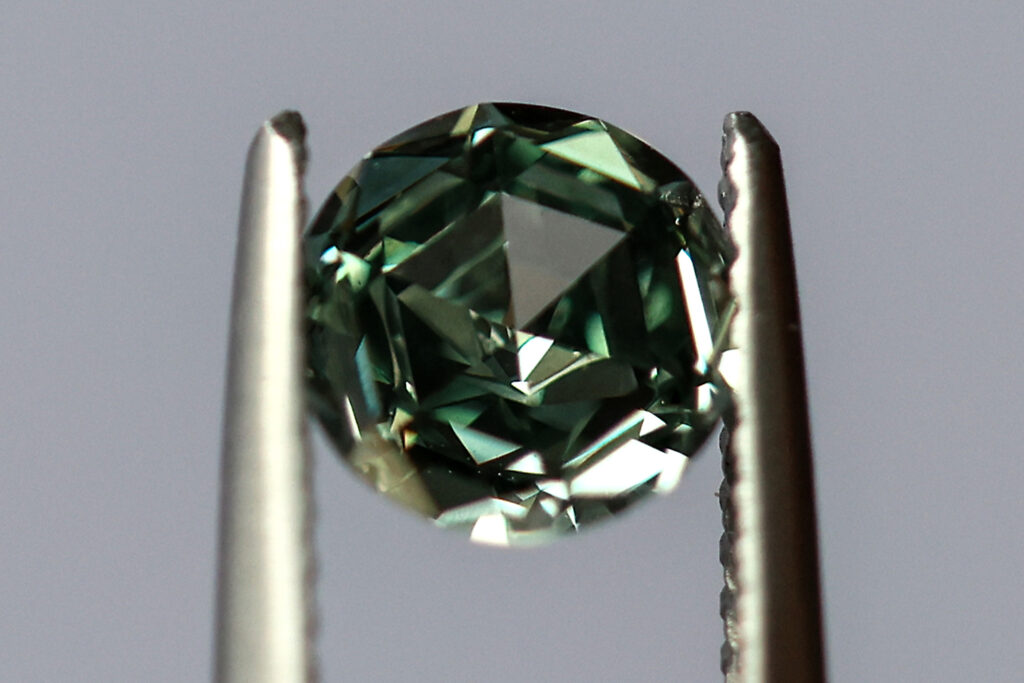
In a world where artificial intelligence (AI) is reshaping industries and creating new opportunities, an unexpected player has emerged in the tech arena: lab-grown diamonds. Traditionally seen as luxury items adorning jewelry, these synthetic gems are now proving their worth in the high-stakes arena of semiconductor manufacturing. As demand for advanced AI technologies surges, China’s lab-grown diamonds are being recognized for their unique properties that make them ideal for enhancing chip performance and cooling efficiency. This blog post explores this fascinating intersection of technology and material science, shedding light on the implications for investors and the semiconductor industry.
Lab-grown diamonds, which are created in controlled environments using techniques that replicate the natural diamond formation process, are gaining traction not just as gemstones but as critical components in the semiconductor industry. The rise of AI has led to increased demands for more powerful and efficient chips, which in turn necessitates innovative cooling solutions. Traditional materials like copper and aluminum have served the industry well for years, but as chips become denser and more powerful, the limitations of these materials are becoming apparent. Enter lab-grown diamonds, which are emerging as superior alternatives.
The unique thermal conductivity of diamonds allows them to effectively dissipate heat generated by high-performance semiconductors. This property has garnered attention from major tech firms looking to enhance their chip designs. Reports have surfaced that several Chinese diamond producers have successfully validated their products as heat spreaders for advanced chips, leading to commercial shipments and sparking excitement in the market. Notably, companies such as Zhecheng Huifeng Diamond Technology Co and SF Diamond Co have seen their stock prices soar, with increases of 51% and 40% respectively in a matter of days. This remarkable growth starkly contrasts with the modest gains of the CSI 300 Index, which rose by only 1% during the same period.
The surge in lab-grown diamond stocks illustrates a broader trend among investors seeking out new opportunities in the burgeoning AI sector. As traditional hardware investments become more saturated and expensive, the search for unique niches with strong fundamentals has intensified. Analysts emphasize that the trend towards next-generation cooling materials is indicative of a shift in the market, as lab-grown diamonds begin to establish themselves as a consensus choice for chip cooling solutions.
According to Huayuan Securities, the application of diamond cooling technology is expected to expand significantly within AI and data centers. This shift is further evidenced by the recent announcements from companies like SF Diamond, which has begun shipping diamond heat spreaders after successfully passing testing by overseas clients. Similarly, Henan Liliang Diamond Co has commenced production on its high-power heat spreader project, further solidifying the role of lab-grown diamonds in the semiconductor supply chain.
Investors are advised to pay close attention to this emerging market segment. As the demand for AI technologies continues to grow, the need for efficient cooling solutions will likely follow suit. Industry analysts, including Duan Bing from Nomura, suggest that many funds are now pivoting towards micro-segments within the semiconductor industry that exhibit the strongest fundamentals and pricing power, indicating a shift in investment strategies.
Key takeaways from this development include the increasing recognition of lab-grown diamonds as an indispensable resource in advanced technology applications, particularly in AI semiconductor manufacturing. Investors should consider the long-term potential of companies involved in this niche, as the market for AI-related components expands and diversifies. The rise of lab-grown diamonds also highlights the importance of innovation in materials science, as traditional solutions face limitations in meeting the demands of next-generation technology.
In conclusion, the intersection of lab-grown diamonds and semiconductor technology represents a remarkable evolution in the materials market. As AI continues to drive demand for more powerful chips, the properties of lab-grown diamonds make them a compelling alternative for cooling applications. Investors who recognize the potential of this trend may find lucrative opportunities in companies that are leading the charge in this innovative space. The future of semiconductor cooling might just be sparkling with the brilliance of synthetic diamonds.