
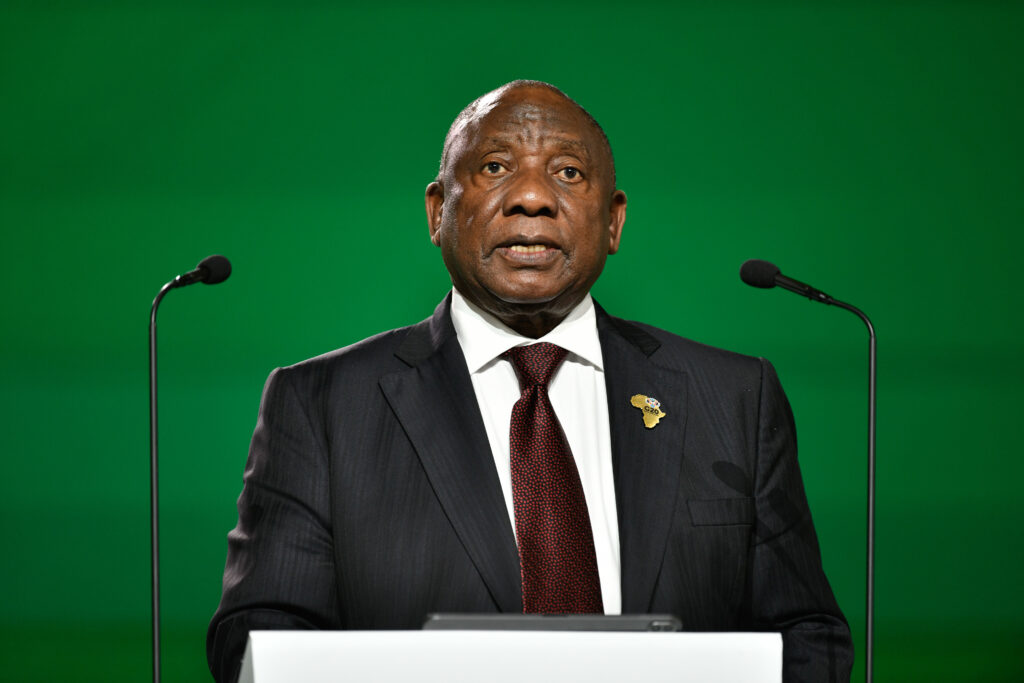
In recent weeks, South Africa has witnessed a troubling surge in protests against foreign nationals, raising concerns about the potential for xenophobic violence in a nation already grappling with high unemployment and strained public services. As the government seeks to address these pressing issues, President Cyril Ramaphosa is set to announce a comprehensive National Action Plan on migration. This plan, developed by an inter-ministerial committee and recently approved by the cabinet, aims to tackle the complexities surrounding migration management in the country. This blog post delves into the implications of this announcement and what it means for the future of migration in South Africa.
The topic of migration in South Africa has become increasingly contentious, particularly in light of rising anti-immigrant sentiment. Public protests have highlighted deep-seated frustrations that many South Africans feel about their economic circumstances, and unfortunately, these frustrations have often been directed towards foreign nationals. As a result, the government’s approach to managing migration is under intense scrutiny, and the need for a well-defined strategy has never been more critical.
President Ramaphosa’s upcoming address is expected to lay out the framework for the National Action Plan, which aims to balance the country’s immigration policies with the need to ensure public safety and social cohesion. The plan has been developed in response to the recent wave of protests and the heightened tensions they have caused. By addressing these issues head-on, the government hopes to quell public unrest while also addressing the root causes of dissatisfaction among citizens.
Key Takeaways from the National Action Plan
1. **Holistic Approach**: The National Action Plan is designed to take a comprehensive view of migration management, incorporating inputs from various sectors, including public safety, economic development, and social services. This holistic approach is intended to ensure that migration policies are not developed in a vacuum but rather consider the broader context of social and economic challenges.
2. **Public Engagement**: The government has emphasized the importance of engaging with communities to address their concerns about migration. By fostering dialogue between local populations and migrants, the plan aims to mitigate tensions and promote understanding.
3. **Economic Opportunities**: One of the focal points of the plan is to explore how to harness the economic potential of migrants. Rather than viewing them solely as a burden, the government aims to recognize the contributions that foreign nationals can make to the economy, particularly in sectors facing labor shortages.
4. **Law Enforcement and Public Safety**: The plan includes measures to strengthen law enforcement capabilities to ensure that public safety is not compromised. This involves addressing illegal immigration while simultaneously protecting the rights of those who are legally residing in the country.
Insights for Traders and Investors
For traders and investors, the developments surrounding the National Action Plan could have significant implications for the South African economy. A stable social environment is crucial for attracting foreign investment and fostering economic growth. If the government can effectively manage migration and address public concerns, it may lead to improved investor confidence.
Moreover, sectors such as construction, services, and agriculture, which often rely on migrant labor, could benefit from clearer policies that support their operations. Investors should monitor the implementation of the National Action Plan closely, as its success could influence market sentiment and economic performance.
Conclusion
As President Ramaphosa prepares to address the nation regarding the government’s strategy on migration, the stakes are high. The National Action Plan represents a critical opportunity to address the challenges presented by migration in South Africa while also fostering social cohesion and economic growth. It is essential for the government to strike a balance between ensuring public safety and recognizing the valuable contributions of migrants to society.
The upcoming address will be pivotal in shaping the future of migration policies in South Africa and could serve as a turning point in the ongoing discourse surrounding this complex issue. Stakeholders, including traders and investors, must remain vigilant in observing how these policies unfold and their potential impact on the broader economic landscape.