
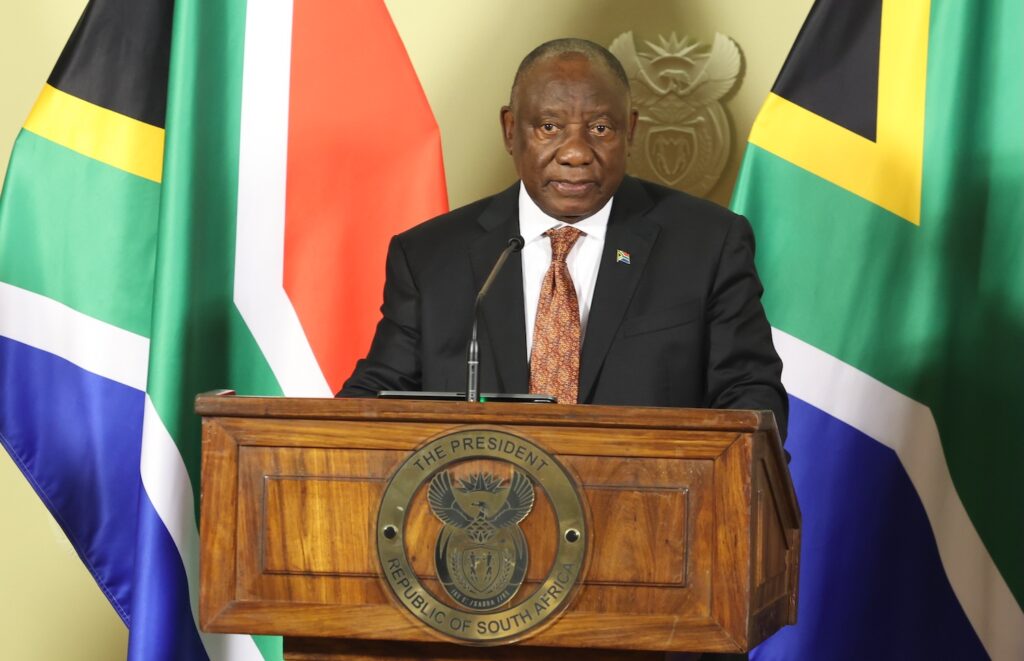
In an era where global migration is a pressing issue, South Africa stands at a pivotal crossroads as it grapples with the complexities of illegal migration. Recently, President Cyril Ramaphosa took to the airwaves to address the nation, shedding light on the government’s strategies to manage this sensitive subject amid rising tensions and protests against foreign nationals. This address not only provides a glimpse into the government’s action plan but also reflects broader socio-economic implications that can significantly impact local businesses, communities, and investors alike.
The backdrop of President Ramaphosa’s address is essential to understanding the current climate in South Africa. Over recent years, the country has witnessed a notable increase in illegal migration, leading to heightened public discontent. Protests directed towards foreign nationals have erupted in various cities, fueled by concerns over job competition, social services, and crime. These sentiments often manifest in the form of violent demonstrations, prompting the government to take a firm stance on the issue. The president’s timely intervention aimed to quell fears, reassure citizens, and outline a clear path forward.
In his address, President Ramaphosa emphasized a multi-faceted approach to managing illegal migration. This strategy includes enhancing border security, improving immigration processes, and fostering international cooperation to address the root causes of migration. The government plans to deploy additional resources to border control, ensuring that illegal crossings are curtailed and that those who enter the country do so through legal channels. This move not only aims to restore public confidence but also to create an environment where businesses can thrive without the uncertainties posed by illegal labor.
Another critical component of the government’s plan is the commitment to dialogue and engagement with communities affected by migration. The president acknowledged the anxieties that many South Africans feel regarding job security and resource allocation. By opening channels of communication, the administration seeks to address these concerns directly and promote social cohesion. This aspect is particularly important, as fostering understanding and tolerance among citizens and migrants can lead to a more harmonious society, ultimately benefiting economic stability.
Key points from President Ramaphosa’s address highlight the urgent need for a balanced approach to immigration. First, enhancing border security and ensuring that immigration laws are enforced can deter illegal crossings and provide a sense of safety for citizens. Second, community engagement is vital; by listening to the concerns of South Africans, the government can implement policies that address these fears while still being compassionate towards migrants. Lastly, international collaboration remains crucial. Addressing the root causes of migration, such as poverty and conflict in neighboring countries, can help alleviate some of the pressures faced by South Africa.
For traders and investors, the implications of Ramaphosa’s address are significant. A stable environment, where the rule of law is upheld and public safety is prioritized, can attract foreign investment and promote local business growth. Investors often seek assurance that their capital will be safeguarded, and a clear, well-communicated immigration policy can foster this trust. Moreover, businesses that rely on a diverse workforce may need to navigate the evolving landscape of immigration regulations. Understanding policy changes and anticipating shifts in labor availability will be crucial for companies operating in South Africa.
In conclusion, President Cyril Ramaphosa’s address on managing illegal migration underscores the complexity of the issue and the government’s commitment to finding a balanced solution. By enhancing security measures, engaging with communities, and fostering international cooperation, the government aims to create a more stable and prosperous environment for all. For traders and investors, staying informed about these developments is essential. As South Africa seeks to navigate the challenges posed by migration, a well-managed approach can lead to economic resilience and growth, benefiting both local communities and the wider economy. The path forward will require vigilance and adaptability, but with sound policies in place, South Africa can emerge stronger from these challenges.