
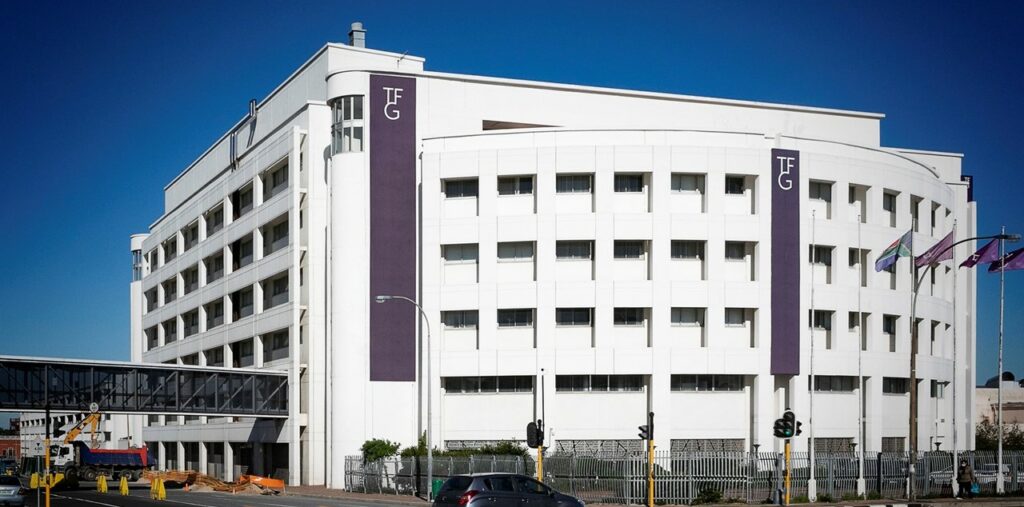
In the ever-evolving landscape of retail, companies must frequently adapt to market conditions to ensure sustainability and profitability. TFG, a prominent player in the apparel and home goods sector, recently announced a significant strategic realignment involving the closure of over 100 underperforming stores. This decision marks a pivotal moment for the retailer as it grapples with the challenges of a tightening economy and shifting consumer behaviors.
The announcement comes from TFG’s CEO, Anthony Thunström, who revealed that the company has already shut down approximately 100 loss-making stores within the last year and is poised to close an additional “just over 100” in the upcoming year. This decision is part of a broader strategy to enhance margins and tackle the operational difficulties that have plagued the retailer. As Thunström outlined, the company operates under a lease structure where most leases have a duration of five years, and they are now approaching the end of a substantial portion of these agreements. This lease cycle plays a crucial role in the company’s ability to make timely decisions regarding store closures.
TFG’s current situation reveals that approximately 300 stores are operating at marginal profitability, with many of these stores being only slightly in the red. Thunström pointed out that the status of these stores has changed significantly over the past year, indicating that they were not necessarily loss-making just twelve months ago. The shifting dynamics of the retail environment, exacerbated by economic pressures, have forced TFG to reassess its portfolio. The objective is clear: close the non-performing stores swiftly while managing the inherent constraints of lease agreements.
Ralph Buddle, TFG’s CFO, further elaborated on the financial implications of maintaining marginal stores. He emphasized that while these stores may cover their variable costs, they do not yield sufficient returns to justify their existence within the company’s broader operational framework. This scenario creates downward pressure on the average returns across TFG’s entire store network. The strategy moving forward involves a disciplined approach to store management, ensuring that each outlet earns its place in the portfolio.
Moreover, TFG has recognized the need to tighten its capital expenditure (capex) in response to the changing landscape. Buddle indicated that the company had curtailed around R200 million of its previously planned R500 million capex in the second half of the fiscal year. This prudent financial management reflects TFG’s commitment to maintaining a sustainable cost structure while still pursuing strategic opportunities that align with its long-term vision. The company’s leadership is now setting stricter criteria for new investments, ensuring that any capital allocation meets heightened expectations for returns.
Strategically, TFG is navigating through a challenging retail environment marked by inflationary pressures, shifting consumer sentiment, and geopolitical uncertainties. Thunström has laid out a roadmap for the company’s future, focusing on enhancing profitability and capital returns. The management is operating under the assumption that consumer conditions will likely remain challenging in the near term, potentially exacerbated by external factors such as the ongoing conflict in Iran and broader economic instability.
Key takeaways from TFG’s recent moves include the importance of agility in retail management, especially in times of economic uncertainty. The decision to close non-performing stores is a testament to the necessity of maintaining a lean and efficient operational model in an industry where margins are increasingly under pressure. Additionally, the emphasis on strategic capex management underscores the need for retailers to be cautious and selective in their investment decisions.
For traders and investors, TFG’s actions serve as a critical reminder of the volatile nature of the retail market. While store closures may initially appear negative, they can ultimately lead to a healthier balance sheet and improved profitability in the long run. Investors should monitor TFG’s performance closely, particularly its ability to rebound from these closures and adapt its strategy to changing consumer demands.
In conclusion, TFG’s strategic decision to close a significant number of stores reflects the retailer’s commitment to navigating a challenging market landscape. By focusing on profitability and operational efficiency, TFG aims to emerge stronger in the face of adversity. As the retail environment continues to shift, the company’s ability to adapt and respond to market demands will be crucial in securing its future success.