
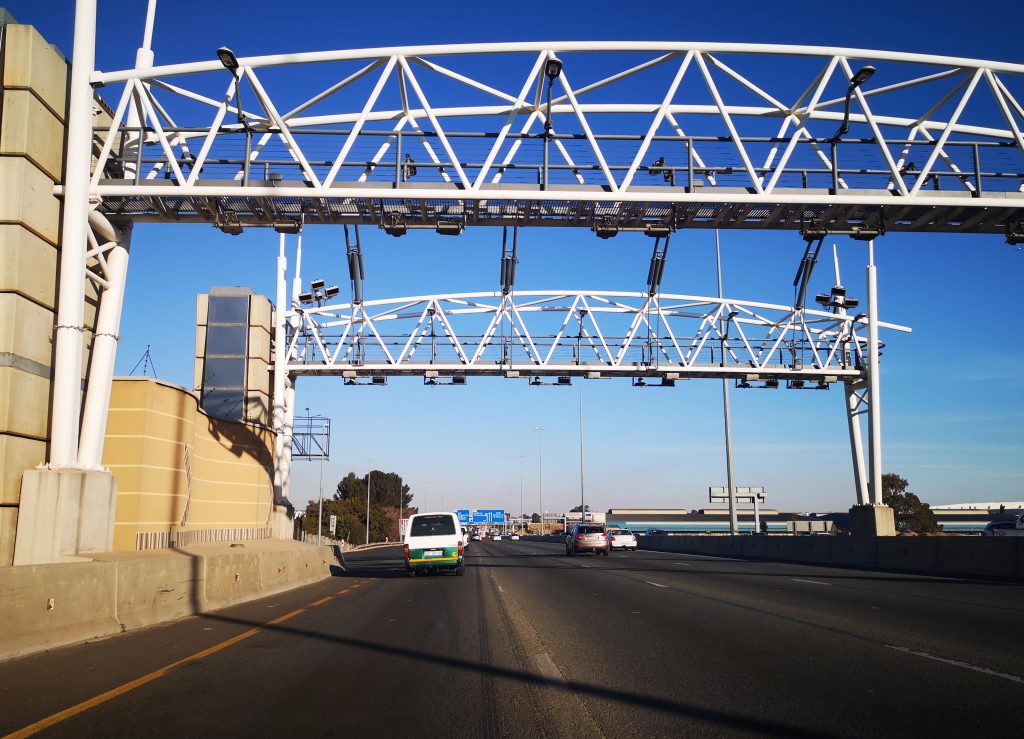
In a noteworthy development for South African motorists and the broader financial landscape, the government has approved the write-off of approximately R29 billion in outstanding debt related to the Gauteng Freeway Improvement Project (GFIP) e-toll system. This decision marks the culmination of a long-standing and contentious issue surrounding the e-tolling mechanism, which was initially introduced to fund the enhancement of Gauteng’s freeway network. As the e-toll system faces its final curtain, it’s essential to delve into the implications of this decision, the reactions from key stakeholders, and the broader context of road funding in the country.
The GFIP e-toll system was launched in 2013 with the intention of generating revenue for the upgrade and maintenance of road infrastructure in Gauteng. However, from its inception, the system encountered significant public resistance. Motorists were frustrated by the high costs and the perceived lack of transparency in how the funds were managed. Compliance rates dwindled, and within six months, it was clear that the system was failing to meet its financial targets. The government’s recent approval to write off the historical e-toll debt is a recognition of this failure and a step towards a more sustainable approach to road funding.
The Cabinet’s decision comes on the heels of the earlier announcement to close the GFIP e-toll scheme entirely. Effective from April 11, 2024, the closure signifies that the South African National Roads Agency (Sanral) will no longer pursue the collection of historical e-toll debts. This marks a decisive shift in policy, as officials aim to bring clarity and resolution to the long-standing e-toll debacle. Transport Minister Barbara Creecy and Deputy Transport Minister Mkhuleko Hlengwa have expressed that this move is essential for resolving outstanding litigation and providing certainty regarding road funding mechanisms in South Africa.
Key Takeaways:
1. **Debt Write-Off**: The government has approved the cancellation of R29 billion in unpaid e-toll debt, effectively closing a chapter on a controversial funding mechanism.
2. **No Refunds for Paid Users**: Those who adhered to the e-toll payments during its operation will not receive refunds, a decision that may stir mixed feelings among road users.
3. **End of Recovery Efforts**: Sanral will halt all efforts to recover historical debts, marking a significant shift in how road funding will be managed in the future.
4. **User-Pay Principle Emphasized**: Despite the closure of the e-toll system, the government insists that a user-pay principle remains crucial for funding road infrastructure, albeit in a more structured and legally sound manner.
5. **Public Reactions**: The response from various stakeholders, including advocacy groups like the Organisation Undoing Tax Abuse (Outa), highlights a mixture of relief and frustration at the delayed decision.
For traders and investors, this shift in tolling policy could have broader implications for infrastructure and public-private partnerships within South Africa. The write-off of e-toll debt could signal a shift in government strategy towards more sustainable funding models that emphasize transparency and public engagement. Investors in infrastructure projects may want to keep a close eye on potential new funding mechanisms that arise in the wake of this policy change.
The insights from Wayne Duvenage, CEO of Outa, underscore the systemic inefficiencies that have plagued the government’s handling of the e-toll saga. His remarks convey a sense of urgency in addressing the failures of the previous system and highlight the critical need for effective governance in public projects. The lack of compliance and public support for the e-toll system serves as a cautionary tale for future infrastructure funding initiatives.
In conclusion, the government’s decision to write off R29 billion in outstanding e-toll debt marks a pivotal moment in South Africa’s approach to road infrastructure funding. While this move may bring closure to a contentious chapter, it also opens the door for re-evaluating how infrastructure projects are financed in the future. With the user-pay principle still in play, it will be crucial for the government to develop a more trustworthy and transparent framework that garners public support. As stakeholders reflect on the lessons learned from the e-toll experience, the focus will inevitably turn to how South Africa can build a more resilient and sustainable road network for the future.