
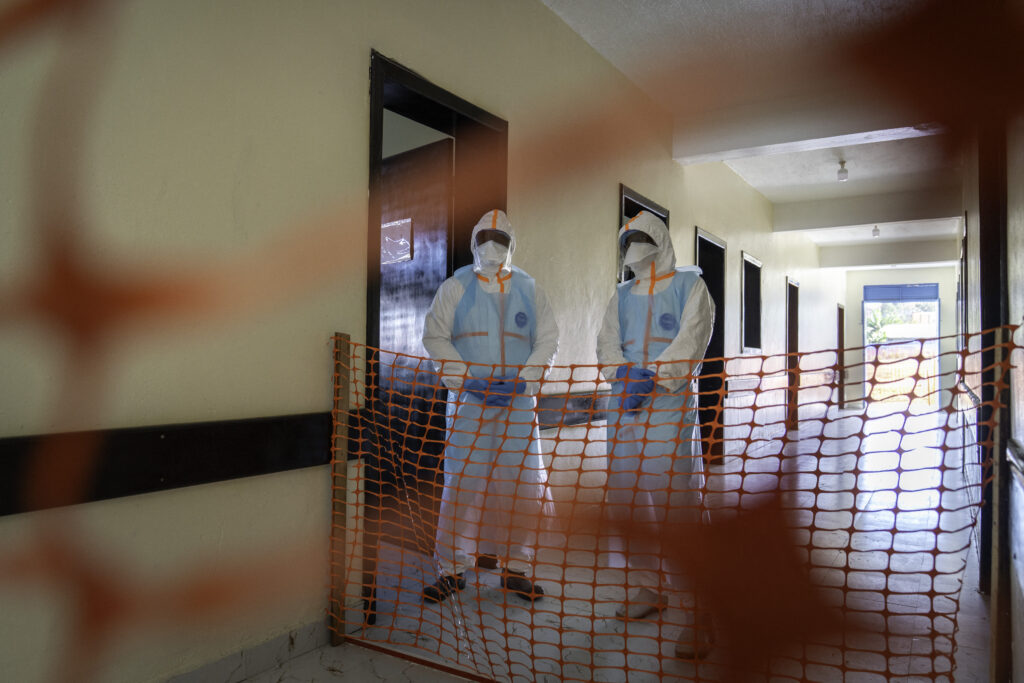
The ongoing Ebola outbreak in the Democratic Republic of Congo (DRC) has reached alarming levels, with confirmed cases surpassing 500. This escalating health crisis not only poses a significant threat to public health but also has profound implications for the economy and stability of the region. As health officials grapple with the situation, it is crucial to understand the factors at play, the challenges faced, and the broader impacts on investors and the international community.
The DRC is currently in the grips of one of its most severe Ebola outbreaks in recent history. As of June 6, the National Institute of Public Health reported 515 confirmed cases and 91 fatalities, with the Ituri province being the epicenter. The situation has worsened, with 27 new confirmed infections and four additional deaths reported in just one day. This outbreak has spread across more than two dozen health zones within three eastern provinces of the country, raising concerns not just for public health but also for the economic stability of the region.
One of the most pressing challenges in managing this outbreak is the ongoing conflict in eastern DRC. Armed groups have made it difficult for health officials to reach affected communities and deliver essential medical care. This instability has resulted in mass displacement, further complicating efforts to contain the virus. Moreover, health authorities are facing shortages of critical medical supplies, including reagents needed for laboratory testing. Currently, 193 laboratory results are pending analysis, leading to delays in confirming new cases and tracing potential contacts.
The financial implications of the outbreak are significant. The DRC is already one of the poorest countries in the world, and the additional strain from this health crisis threatens to exacerbate existing economic problems. The cost of healthcare delivery has skyrocketed, and funding for medical response efforts is desperately needed. Community resistance to health interventions has also emerged as a major hurdle, with reports indicating that at least 30 individuals with suspected or confirmed infections have escaped treatment facilities in recent days.
The ability to track and monitor potential exposures is critical for controlling the outbreak. However, health authorities are falling short of their goals, reaching only half of the identified contacts nationwide, and in some areas like Ituri, this figure drops to a concerning 43%. These low contact tracing rates hinder the ability to break the transmission chains necessary to contain the virus effectively.
Despite the dire situation, there have been some glimmers of hope. As of June 6, three Ebola patients were declared recovered, increasing the total number of survivors to 12. However, this number remains small compared to the scale of the outbreak. Major transmission centers such as Bunia, Rwampara, and Mongbwalu are being closely monitored, but the challenge remains to provide adequate support and resources to these areas.
For investors and traders, the Ebola outbreak in the DRC serves as a stark reminder of the interconnectedness of public health and economic stability. While healthcare infrastructure is critical in managing health crises, the economic implications can be far-reaching. Investors should consider the potential impacts on local markets, supply chains, and overall economic conditions. A prolonged outbreak could lead to destabilization in the region, affecting trade routes and investment opportunities.
Key takeaways from this situation include the necessity for robust healthcare systems, the importance of international support and funding, and the role of community engagement in health responses. The challenges posed by the Ebola outbreak illustrate how health crises can disrupt entire economies and highlight the need for a coordinated response involving governments, NGOs, and the private sector.
In conclusion, the Ebola outbreak in the Democratic Republic of Congo is not just a public health emergency; it is a complex humanitarian crisis with significant economic repercussions. As health officials continue their fight against the virus, the international community must step up to provide the necessary support and resources. For traders and investors, understanding the implications of such outbreaks is crucial for making informed decisions in a global marketplace that is increasingly influenced by health issues. The situation in the DRC underscores the importance of preparedness, resilience, and the need for a collaborative approach to addressing both health and economic challenges.