
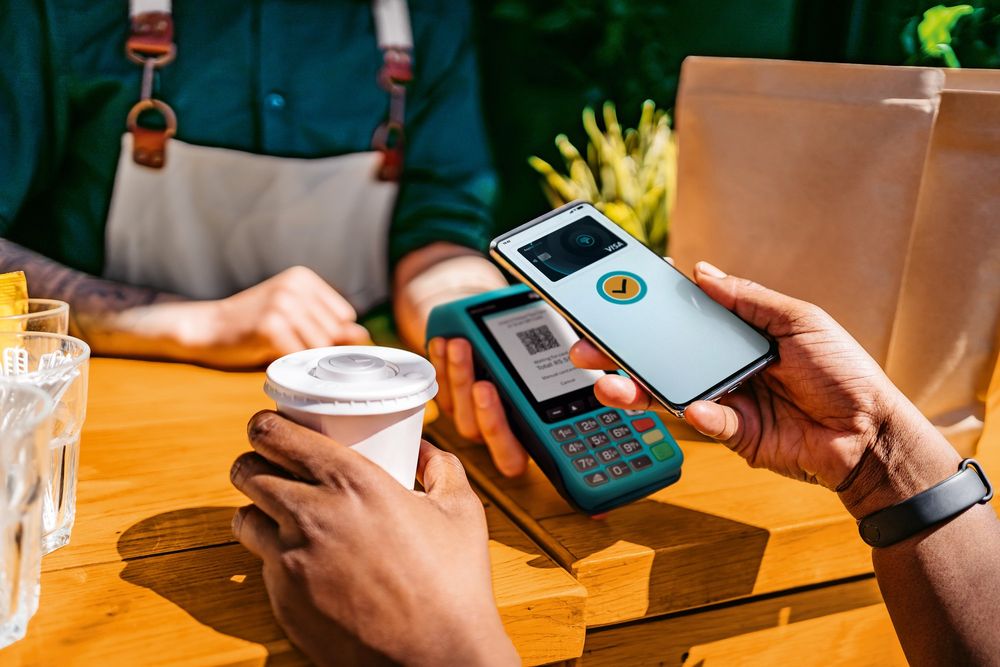
In recent years, South Africa has witnessed a remarkable shift in the way consumers approach payments, with digital wallets emerging as a game-changer in the financial landscape. This evolution is not merely a passing trend but a fundamental change shaping consumer behavior and the future of commerce in the country. As we delve into the growing adoption of digital wallets, we will explore how they are revolutionizing payment methods, influencing consumer expectations, and what this means for traders and investors alike.
The shift towards digital wallets in South Africa has been significant, with these payment methods becoming increasingly prevalent in both online and in-store transactions. Gone are the days when consumers hesitated to embrace new payment technologies; today, the focus has shifted to how swiftly businesses can adapt to these changes. As mobile technology becomes more embedded in everyday life, digital wallets have seamlessly integrated into consumers’ shopping habits.
At the heart of this transformation is a marked change in consumer behavior. Today’s shoppers prioritize speed, security, and convenience when making purchases. According to the 2025 State of Pay report, a staggering 66% of consumers emphasize the importance of security and data encryption when selecting their online shopping platforms. Digital wallets are designed to meet these expectations by offering secure and efficient payment experiences, making them an attractive option for an increasingly tech-savvy population.
The growing acceptance of digital wallets in South Africa is also supported by the rise in smartphone usage and the prevalence of tap-to-pay technology. As digital wallets such as Google Pay, Apple Pay, and Samsung Pay gain traction, consumers are becoming more comfortable with their use. Internal data from Payfast, a prominent payment service provider, highlights this trend, revealing that transaction values processed through digital wallets surged by nearly 155% from January to May 2026 compared to the same period in 2025. This growth signifies not only an increase in spending but also a shift towards more frequent use of digital payments in everyday life.
Furthermore, digital wallets now account for over 8% of the total digital payment value processed in South Africa—a substantial and growing share of the market. This expansion is evident across various sectors, including retail, fashion, travel, and education, reinforcing the integral role digital wallets play in contemporary commerce. The previous notion of digital wallets being merely an additional payment option is rapidly evolving; businesses are beginning to recognize the competitive edge they offer.
For merchants, embracing digital wallets means delivering faster and smoother checkout experiences. This is particularly crucial in a mobile-driven environment, where consumers expect seamless transactions. The integration of digital wallets not only enhances customer satisfaction but can also lead to increased conversion rates by minimizing cart abandonment caused by lengthy checkout processes.
Security remains a paramount concern for consumers, and digital wallets address this issue effectively. Many platforms utilize advanced security measures, including end-to-end encryption and biometric authentication, to protect users’ payment information. This approach not only fosters trust but also provides a level of protection that often surpasses that of traditional payment methods.
As digital wallets become increasingly normalized in everyday transactions, businesses must adapt to this new landscape. Companies that invest in digital wallet integration stand to benefit significantly, as they can enhance their customer experience while addressing security concerns head-on. This strategic move not only positions businesses as forward-thinking but also helps them keep pace with consumer expectations in a rapidly evolving market.
For traders and investors, the rise of digital wallets presents both opportunities and challenges. The growing adoption of these technologies can lead to increased transaction volumes for payment processors and financial technology companies. Investors should pay close attention to companies that are innovating in this space, as they may be poised for substantial growth in the coming years.
In conclusion, digital wallets are not just a passing fad; they are reshaping the payment landscape in South Africa and beyond. With consumers prioritizing convenience, security, and efficiency, businesses must adapt to these changes to remain competitive. As digital wallets continue to gain traction, both consumers and merchants stand to benefit from a more streamlined and secure payment process. For traders and investors, this shift represents a significant opportunity to align with the future of commerce. Embracing digital wallets is not merely a trend; it is a strategic necessity in today’s fast-paced financial environment.