
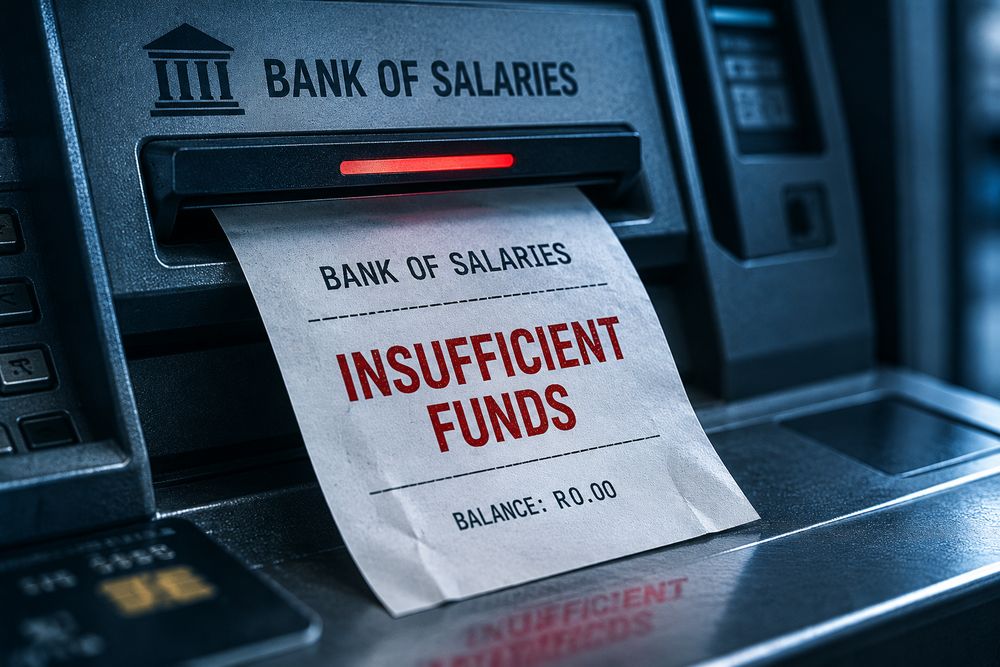
In recent months, South African salary earners have found themselves grappling with a disheartening truth: the value of their paychecks is diminishing. As inflation accelerates, economic uncertainty escalates, and the specter of rising interest rates looms, the financial landscape for many workers in South Africa is becoming increasingly challenging. This blog post delves into the current salary trends, the impact of inflation on real earnings, and what it means for consumers and investors alike.
The latest figures from the PayInc Net Salary Index reveal a concerning trend. In April 2026, the average nominal net salary for South African workers slipped to R21,228, reflecting a 0.6% decline from March and a 0.5% drop compared to the previous year. This downturn marks a significant departure from the relatively robust salary growth experienced in 2024 and 2025, where wages appeared to keep pace with inflation. Unfortunately, the situation has dramatically shifted, and it’s essential to understand the implications of this trend.
When examining the impact of inflation on salaries, the reality becomes even more alarming. Real salaries, which account for the effects of inflation, decreased by 1.2% month-on-month and 2.7% year-on-year, landing at R20,244. This figure represents the lowest level of real salaries recorded in two years. The decline in purchasing power is a critical concern, as it directly affects consumer behavior and overall economic stability.
The economic outlook in South Africa has taken a turn for the worse, particularly following the outbreak of conflict in the Middle East. This global event has contributed to rising fuel prices and broader inflationary pressures that are now filtering into the local economy. Independent economist Elize Kruger has pointed out that these factors are already impacting the labor market, creating a challenging environment for both employers and employees.
The headline inflation rate in South Africa reached 4% in April, marking a 19-month high, with projections indicating that it could rise to around 4.6% in May. This spike in inflation can largely be attributed to surging fuel prices, which have disrupted earlier expectations for a more subdued inflation environment. The combination of stagnating salary growth and increasing inflation is squeezing households from multiple angles, creating a perfect storm of financial strain.
As the South African Reserve Bank’s Monetary Policy Committee prepares to announce its latest interest rate decision, many economists anticipate a 25-basis points hike. With inflation forecasts for 2026 and 2027 remaining above the Reserve Bank’s newly established 3% target, the likelihood of further interest rate increases has heightened. Should rates continue to rise, consumers could face even more significant financial pressure, as higher borrowing costs erode disposable income.
It is worth noting that South Africa’s economy is projected to grow by only 1.1% in 2026, which further limits the prospects for stronger wage growth and job creation. As a result, the labor market is already showing signs of strain, with many workers feeling the pinch of stagnant wages amid rising costs of living.
Key points to take away from this situation include the following:
1. **Declining Purchasing Power**: Real salaries have decreased significantly, reducing the amount of goods and services that workers can afford.
2. **Inflationary Pressures**: Rising inflation, driven largely by increased fuel prices, is outpacing salary growth, leading to financial strain for households.
3. **Interest Rate Hikes**: The imminent possibility of interest rate increases could exacerbate financial challenges for consumers, particularly those with variable-rate loans.
4. **Stagnant Economic Growth**: With projected economic growth at just 1.1%, the potential for wage increases and job creation remains limited.
For traders and investors, these developments present both challenges and opportunities. Understanding the macroeconomic environment is crucial for making informed investment decisions. Those involved in consumer goods, retail, and related sectors should be particularly vigilant, as decreased consumer spending could adversely affect their businesses. Conversely, sectors that benefit from inflationary trends, such as commodities, may offer potential investment avenues.
In conclusion, the current economic climate in South Africa is a stark reminder of how external factors and local conditions can converge to impact the financial well-being of workers and consumers. As inflation continues to rise and interest rates potentially follow suit, it is imperative for salary earners to remain vigilant and adapt their financial strategies accordingly. By staying informed and proactive, individuals can better navigate the challenges that lie ahead in this evolving economic landscape.