
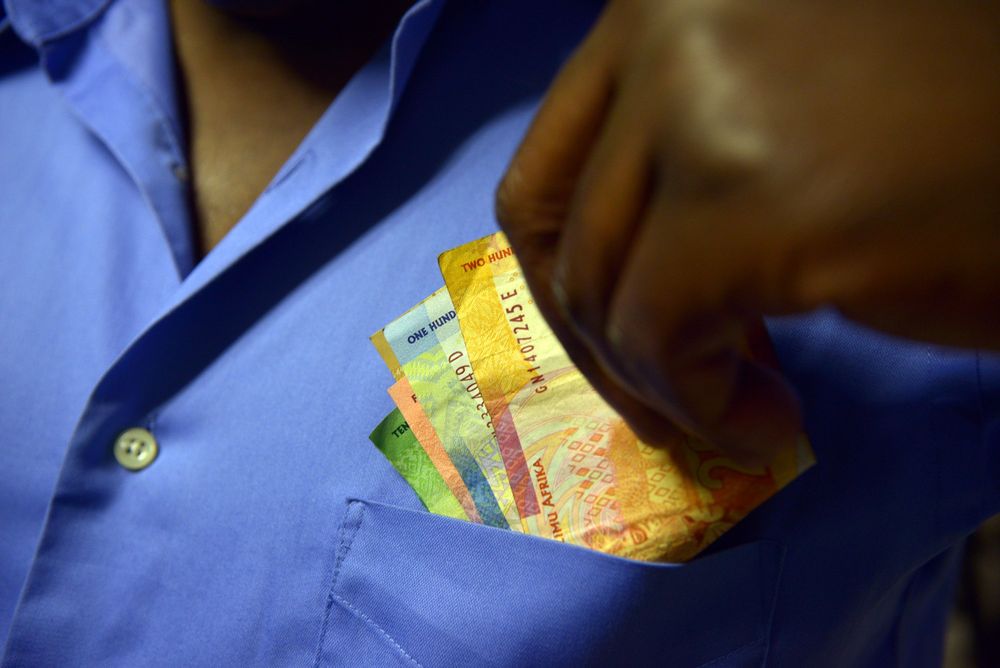
In a significant legal development, South African businesses are facing new challenges regarding the tax implications of bribery and kickbacks, thanks to a recent ruling by the Tax Court. The court’s decision reinforces existing anti-corruption measures and clarifies that payments made as bribes or kickbacks cannot be claimed as tax deductions. This ruling not only impacts corporate compliance but also serves as a crucial reminder of the importance of ethical conduct in business operations.
The Tax Court’s ruling stems from the case of Taxpayer LE (Pty) Ltd versus the Commissioner for the South African Revenue Service (SARS), which was delivered on April 10, 2026. This case highlights the intersection of taxation and corruption laws in South Africa, particularly under the Income Tax Act’s Section 23(o). Introduced in 2005, this provision explicitly denies tax deductions for any payments deemed corrupt under the Prevention and Combating of Corrupt Activities Act of 2004 (PCCAA).
For years, Section 23(o) remained largely underutilized, but the recent court decision has brought it back into focus. The case involved a South African company that secured contracts worth over R25 billion to supply locomotives to a state-owned enterprise. However, a troubling pattern emerged: approximately 20% of each contract’s value was funneled through a network of foreign consultancy firms that provided no tangible services. These payments were disguised as “Business Development Services” to obscure their true nature.
SARS took a firm stance against these deductions, citing not only the usual provisions of the Income Tax Act but also Section 23(o). The Tax Court sided with SARS, affirming that the company could not claim the payments as tax-deductible expenses. This judgment underscores two critical points regarding Section 23(o) that businesses must be mindful of.
Firstly, the court clarified that a taxpayer does not need to be convicted or even charged with a crime for Section 23(o) to apply. This means that SARS can act on a civil standard, requiring only a balance of probabilities to prove that the payments were corrupt in nature. Businesses must therefore be vigilant, as the mere suspicion of corrupt practices can lead to tax disallowances and potential legal repercussions.
Secondly, the court’s ruling did not end with the tax disallowance; it referred the matter to the National Director of Public Prosecutions for possible criminal investigation. In other words, the implications of the ruling extend beyond tax penalties—businesses could find themselves facing criminal charges as well. This dual threat of civil and criminal liabilities serves as a powerful deterrent against engaging in corrupt practices.
The introduction of Section 23(o) was a necessary step for South Africa’s governance, as prior to its enactment, tax law did not explicitly address the issue of deductibility for bribes and similar illegal payments. The rationale behind this legislative change was straightforward: allowing companies to claim deductions for unlawful conduct would effectively mean that the government was subsidizing corruption. This was not only a matter of fiscal integrity but also a critical element of strengthening the country’s anti-corruption efforts.
Key takeaways from this ruling include the necessity for businesses to reevaluate their compliance frameworks. Companies must ensure that they have robust mechanisms in place to prevent corruption and to monitor transactions closely. The recent case serves as a wake-up call for organizations to foster a culture of ethical behavior and transparency, not just to comply with tax laws but to safeguard their reputation and long-term viability.
For traders and investors, this ruling may impact how they assess the risk profile of companies operating in South Africa. Firms with a history of questionable practices may face greater scrutiny and potential financial liabilities, ultimately affecting their stock performance. Investors should consider the compliance track record of businesses before making investment decisions, as reputational risks can translate into significant financial losses.
In conclusion, the Tax Court’s ruling on bribes and kickbacks marks a pivotal moment in South Africa’s ongoing battle against corruption. Businesses must recognize the serious ramifications of engaging in corrupt practices, not just in terms of legal consequences, but also regarding their financial health and market reputation. As the landscape evolves, adhering to ethical standards is no longer just a moral obligation but a strategic necessity for businesses aiming to thrive in a competitive environment.