
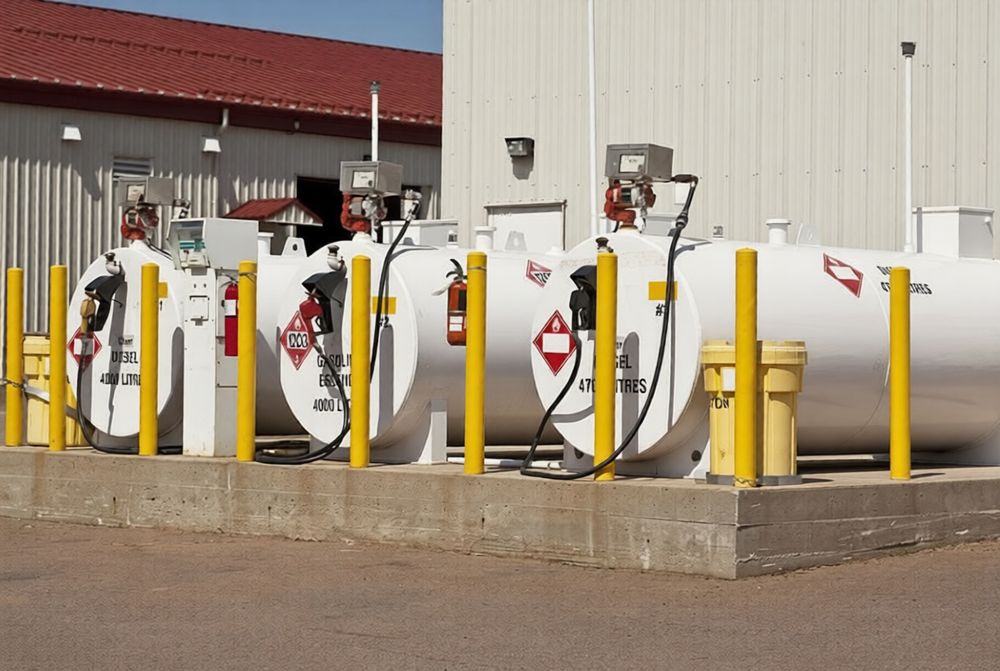
As fuel prices soar, businesses in South Africa are increasingly looking for ways to mitigate the financial impact of rising costs. One approach that has gained popularity is on-site fuel storage. While this strategy presents a viable solution for many industries, it is crucial for businesses to understand the hidden risks and compliance challenges associated with this practice. As experts urge companies to revisit their safety protocols and insurance policies, a comprehensive examination of on-site fuel storage becomes essential for ensuring operational continuity while managing potential liabilities.
The rising cost of fuel is a pressing issue that affects various sectors, including agriculture, logistics, construction, and many others. These industries rely on fuel not just for machinery operation but also for transportation and other critical functions. The need for a reliable fuel supply has prompted many businesses to consider the benefits of storing fuel on their premises. By doing so, they aim to insulate themselves from the volatility of fuel prices and ensure uninterrupted operations. However, this solution is not without its complexities.
On-site fuel storage is governed by a multitude of safety regulations and municipal bylaws. As businesses hastily implement storage solutions to meet their fuel needs, it is imperative that they also adapt their risk management strategies. Failure to align with legal requirements and industry standards could expose companies to significant liabilities, particularly in the realm of insurance. The South African Insurance Association has raised concerns about the growing trend of fuel storage, highlighting the importance of adhering to safety protocols to mitigate risks.
One common misconception among businesses is that storing fuel in drums or small tanks is inherently low-risk. In reality, even smaller quantities of flammable liquids are subject to strict regulations and must comply with municipal fire safety bylaws. These regulations can vary widely between municipalities, but they generally impose limits on the amount of fuel that can be stored without special permits. For businesses exceeding these thresholds, the need may arise to install certified flammable storage facilities or obtain approvals from local authorities.
Even when fuel quantities fall within permissible limits, businesses must still adhere to basic safety standards. This includes using certified containers for storage, ensuring that the area is well-ventilated and situated away from potential ignition sources, and properly labeling fuel types. Clear signage indicating the presence of flammable liquids is also essential for maintaining a safe environment. Furthermore, businesses must ensure that their storage practices include adequate fire protection measures, such as having fire extinguishers readily available and maintaining a safe distance from electrical equipment or open flames.
The physical environment surrounding the fuel storage area must also be carefully considered. Factors such as drainage systems, weather conditions, and proximity to residential areas can significantly impact safety and compliance. A thorough risk assessment should be conducted to identify potential hazards and ensure that all safety measures are in place.
Key takeaways for businesses considering on-site fuel storage include:
1. **Understand Regulatory Requirements**: Familiarize yourself with municipal regulations regarding fuel storage, including quantity limits and safety standards.
2. **Invest in Proper Infrastructure**: Ensure that fuel storage containers meet industry standards and that the storage area is adequately equipped for safety.
3. **Implement Safety Protocols**: Develop and enforce comprehensive safety protocols for fuel handling, storage, and emergency response.
4. **Review Insurance Policies**: Consult with insurance providers to confirm that your coverage is adequate for the risks associated with on-site fuel storage.
For traders and investors, the implications of rising fuel prices and the trend toward on-site storage can be significant. Understanding these dynamics can provide valuable insights into market trends, particularly in sectors heavily reliant on fuel. Businesses that proactively manage their fuel storage risks may find themselves in a more advantageous position as they navigate fluctuating fuel prices. Conversely, those that neglect compliance and safety may face increased operational challenges and higher insurance costs.
In conclusion, while on-site fuel storage presents an opportunity for South African businesses to mitigate the impact of rising fuel prices, it is essential to approach this practice with caution. Understanding the regulatory landscape, implementing robust safety measures, and reviewing insurance coverage are critical steps in safeguarding against potential liabilities. As the fuel market continues to evolve, businesses that prioritize compliance and safety will not only protect their operational integrity but also position themselves for long-term success in an increasingly competitive environment.