
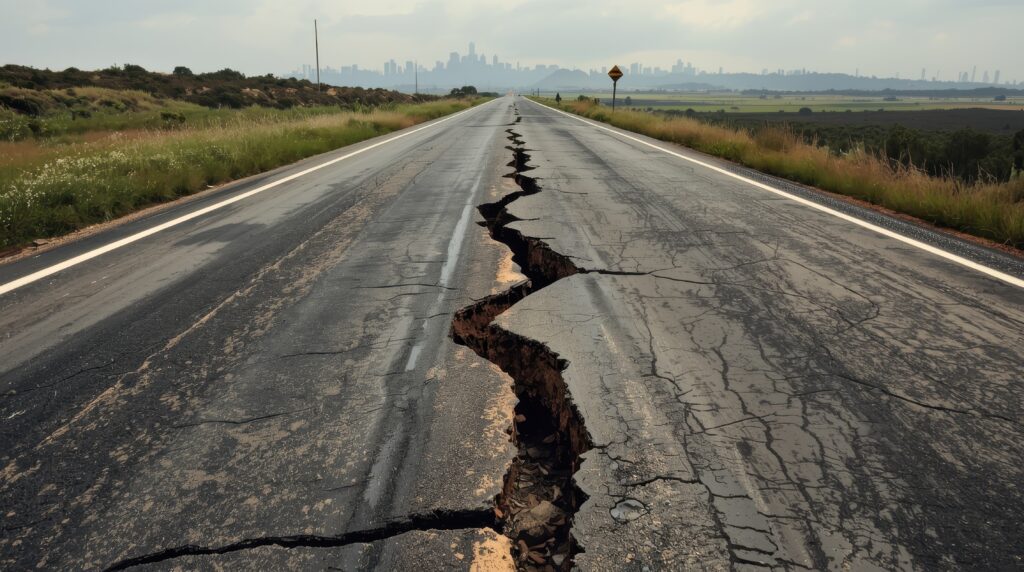
On June 8, 2026, the Philippines experienced a seismic event that will be remembered as one of the most catastrophic in its recent history. The earthquake, registering a staggering 7.8 on the Richter scale, struck the southern island of Mindanao, leaving communities reeling in shock and devastation. As the nation grapples with the aftermath, it is essential to understand the implications of such natural disasters, not only in terms of human and infrastructural loss but also from an economic perspective.
The earthquake, which has been labeled the strongest to hit the Philippines since 1976, has resulted in the tragic loss of at least three lives, with reports indicating that this number may rise as more information becomes available. The tremor was not just an isolated incident; it sent shockwaves across the region, prompting tsunami warnings that extended to countries such as Indonesia, Palau, and Papua New Guinea. Although the immediate tsunami threat has since diminished, the initial alerts highlighted the potential for widespread destruction.
In the wake of the earthquake, significant damage to infrastructure has been reported. Buildings in the southern city of General Santos have partially collapsed, and a mall in the vicinity has also sustained severe damage. The impact on local communities was immediate, with public schools opening on the very day of the quake, forcing students to evacuate. Hospitals were likewise affected, with patients being moved outdoors as a precautionary measure. The local authorities have been quick to respond, with Philippine President Ferdinand Marcos Jr. ordering relevant agencies to mobilize and provide assistance.
Key points to consider in this situation include the immediate and long-term implications of such a disaster. The loss of life and injuries are always a primary concern, but the economic ramifications can ripple through various sectors. Local businesses, particularly those in tourism and retail, face immediate challenges in the wake of infrastructure damage. The temporary suspension of flights at the General Santos airport has disrupted travel, affecting both tourism and commerce. Moreover, with classes suspended in affected areas, educational institutions are also feeling the strain.
Additionally, public services have been disrupted, with reports of intermittent electricity and phone signals complicating rescue and recovery efforts. The local disaster management offices are working tirelessly to coordinate evacuations and assess damage, but the challenges are immense. As the situation evolves, the financial impact on local governments and economies will become more evident, particularly in terms of recovery costs and rebuilding efforts.
For traders and investors, this earthquake presents both risks and opportunities. The immediate response from the government and the potential for international aid can lead to fluctuations in local stocks and investments. Companies involved in construction, logistics, and emergency services may see increased demand, while those in tourism may face significant setbacks. Understanding the full scope of the disaster’s impact will require careful monitoring of the situation as it develops.
Furthermore, this event highlights the importance of disaster preparedness, especially in a region prone to seismic activity. As communities begin to recover, there will likely be discussions about enhancing infrastructure resilience and improving emergency response protocols. For investors and policymakers, this presents a critical opportunity to evaluate existing frameworks and consider investments that bolster disaster readiness.
In conclusion, the earthquake that struck the Philippines on June 8 is a stark reminder of nature’s unpredictable force and the vulnerabilities faced by communities in seismically active regions. As the nation comes to terms with the immediate aftermath, the focus will shift toward recovery and rebuilding. For those observing from a financial perspective, the implications are multifaceted, encompassing human, infrastructural, and economic considerations. The forthcoming weeks and months will be crucial in determining the long-term effects of this disaster and the resilience of the affected communities.