
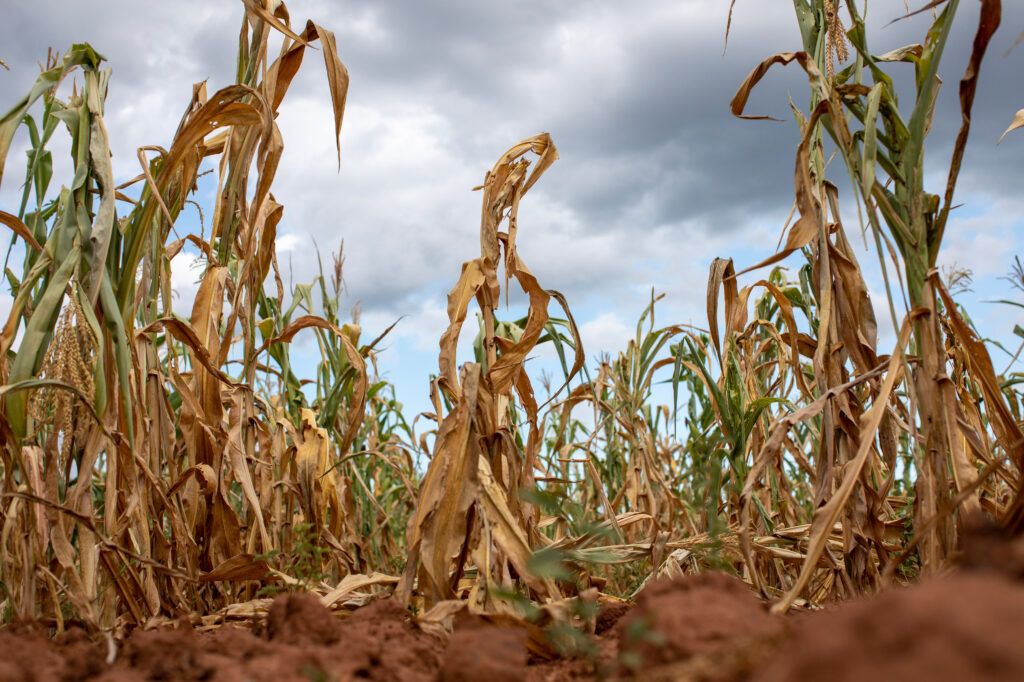
As the world grapples with the unpredictable nature of climate change, the looming specter of El Niño has emerged as a focal point for discussions about weather patterns and their impacts on various sectors, particularly in South Africa. The El Niño phenomenon, which is predicted to return with significant intensity during the 2026/27 summer season, raises serious concerns about drought, agricultural productivity, and water security. Understanding these dynamics is essential not only for policymakers but also for investors and traders who are influenced by agricultural trends and commodities.
El Niño is a climate pattern that results from the warming of ocean surface temperatures in the central and eastern Pacific. This phenomenon can lead to drastic weather changes worldwide, and South Africa is bracing itself for potential repercussions. The South African Weather Service has issued warnings about the likelihood of a “super El Niño,” which could exacerbate drought conditions across the country.
During the last significant El Niño event, which occurred in 2023/24, South Africa experienced a range of challenges associated with decreased rainfall and increased temperatures. The country’s agricultural sector felt the impact acutely, experiencing declines in crop yields that not only affected farmers but also contributed to rising food prices and increased economic pressure on consumers.
The crux of the matter is that drought risks are often underestimated. Unlike sudden events like floods, droughts develop gradually, creating a deceptive sense of security among communities and decision-makers. This slow onset can lead to complacency, where proactive measures are not taken until it is too late. As noted by climate resilience expert Karen King, the cumulative effects of prolonged drought can be devastating, leading to water shortages, diminished agricultural output, and economic strain.
Key Points to Consider
1. **Predictability of El Niño**: While the El Niño phenomenon is predictable on a macro level, its localized impacts can vary widely. Some regions may experience severe drought, while others may remain relatively unaffected. This unpredictability makes it crucial for all regions to prepare for potential drought conditions.
2. **Drought Resilience**: Building resilience against drought means implementing strategies that can withstand prolonged periods of low rainfall. This includes investing in water infrastructure, improving irrigation techniques, and adopting drought-resistant crop varieties.
3. **Lessons from the Past**: South Africa’s response to previous drought conditions has been mixed. Despite facing severe water shortages and agricultural challenges, many areas remain underprepared for future droughts. This lack of readiness could lead to scenarios reminiscent of the past, such as “day-zero” conditions, where water supplies are critically low.
4. **Local Variations**: The impact of drought can vary greatly depending on geographical location. Urban areas may face more immediate challenges due to their dependence on centralized water systems, while rural communities may struggle with agricultural losses.
Investors and traders should pay close attention to these developments, as the implications of El Niño extend beyond agricultural outputs. Commodities markets are particularly sensitive to changes in weather patterns, and a predicted drought could lead to fluctuations in prices for grains, fruits, and vegetables. Similarly, companies involved in food production and distribution should prepare for potential supply chain disruptions and shifts in consumer behavior as food prices rise.
In conclusion, as South Africa gears up for the anticipated return of El Niño, it is imperative that both government and industry stakeholders take the necessary steps to bolster drought resilience. The lessons learned from previous droughts should serve as a catalyst for change, prompting a reevaluation of current preparedness strategies. For investors, staying informed about these climate patterns and their potential impacts on agricultural commodities is crucial for navigating the evolving landscape of the market. By prioritizing proactive measures, South Africa can enhance its resilience against future droughts, ensuring food security and economic stability in the face of climate uncertainties.