
In the ever-evolving world of retail, consumer behavior often tells a compelling story of economic conditions and shifting preferences. Recent data from NielsenIQ highlights a remarkable transformation in South Africa’s retail landscape, particularly among price-sensitive consumers. Contrary to expectations that these individuals would gravitate towards supermarket house brands, evidence suggests a fundamental change in shopping habits that is reshaping the market. This blog post explores the intricacies of these trends, providing insights into the current state of the fast-moving consumer goods (FMCG) sector and what it means for traders and investors.
At first glance, the figures released for the first quarter of 2026 appear to indicate positive growth in the FMCG sector, with South Africans spending a robust R173.6 billion. However, a deeper analysis reveals that the anticipated shift towards private label products—typically seen as a refuge for budget-conscious consumers—has not materialized as expected. Instead, private labels, which are generally favored during economically difficult times, have lost market share. This paradox raises questions about the dynamics at play in South Africa’s retail environment.
Consumers are not merely transitioning to cheaper alternatives; they are redefining where and how they shop. Despite an overall increase in FMCG sales value by 6.5% year-on-year and an impressive 9.1% rise in unit sales, the performance of private label products has been lackluster. Private labels, excluding tobacco and liquor, generated sales of R26.7 billion, marking only a modest 1.3% increase for the quarter. More strikingly, the share of private labels in the FMCG sales value declined by 1.1% compared to the same period last year—a trend that stands in stark contrast to the typical behavior observed in many international markets.
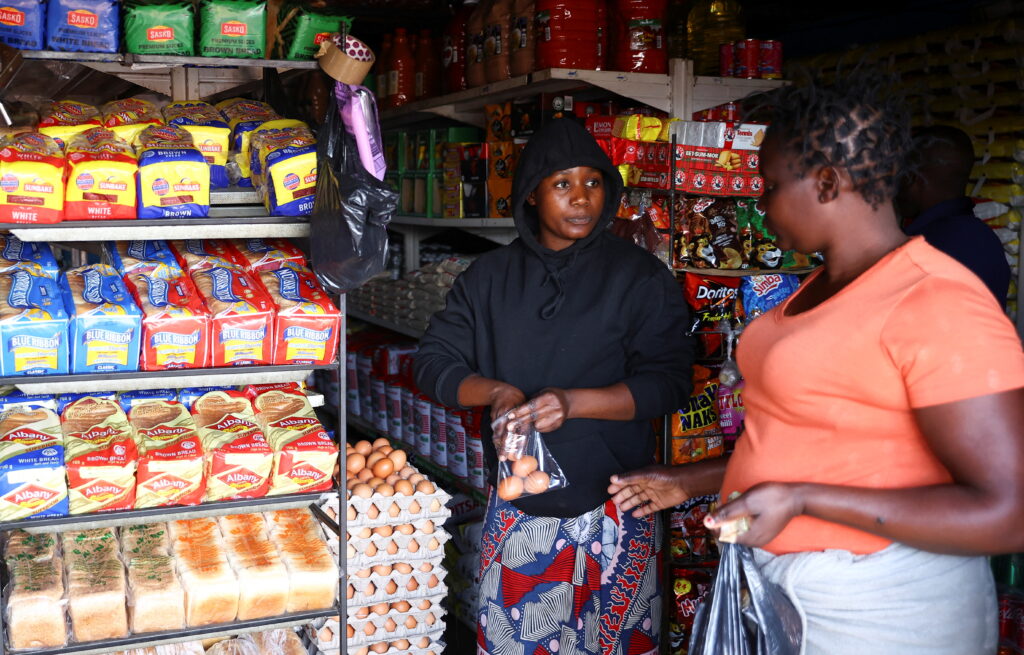
One of the most significant shifts in consumer behavior is the growing preference for traditional retail channels, such as spaza shops, taverns, and independently owned superettes. These local stores generated R43.1 billion in sales and are increasingly outpacing modern retail in several categories. The success of these smaller traders is not attributed to vast product selections or advanced loyalty programs; rather, it lies in their proximity to consumers and their ability to cater to smaller, more frequent purchases. As consumers adjust their shopping habits, they are leaning towards known national brands, smaller packaging, and convenience, rather than the private labels that dominate the shelves of larger supermarkets.
This shift is noteworthy, especially in a country where economic pressures often lead consumers to seek out cheaper, private label options. According to Zak Haeri, managing director of NIQ South Africa, lower inflation has provided consumers and retailers with a temporary respite, buoyed by stable food prices and reduced fuel costs. However, this relief may be short-lived, as inflation is projected to rise in the latter half of the year, influenced by escalating input costs and geopolitical tensions, such as the ongoing conflict in the Middle East.
Examining the specifics of FMCG sales, food items saw an increase of 7.2% in value, amounting to R28.1 billion, while snacking volumes surged by an impressive 16.2%. Meanwhile, categories such as liquor, beverages, and tobacco also experienced robust growth. However, not all segments are thriving; baby food and care products recorded a decline in sales value, dropping by 2.1% to roughly R3.4 billion.
For traders and investors, these developments present both challenges and opportunities. The reluctance of price-sensitive consumers to embrace private label products signifies a potential vulnerability within the modern retail framework. Retailers must adapt to the changing landscape by enhancing their offerings and emphasizing convenience, local engagement, and competitive pricing. Furthermore, understanding the dynamics of consumer preferences can provide valuable insights into product development and marketing strategies.
In conclusion, the retail landscape in South Africa is undergoing a transformation, driven by shifting consumer habits and economic pressures. As traditional retail channels gain traction and private labels falter, businesses must pivot to meet the evolving demands of their customers. The interplay between economic factors, consumer preferences, and retail strategies will shape the future of the FMCG sector in South Africa. For stakeholders, embracing these changes will be essential for navigating the complexities of the market and capitalizing on emerging opportunities.