
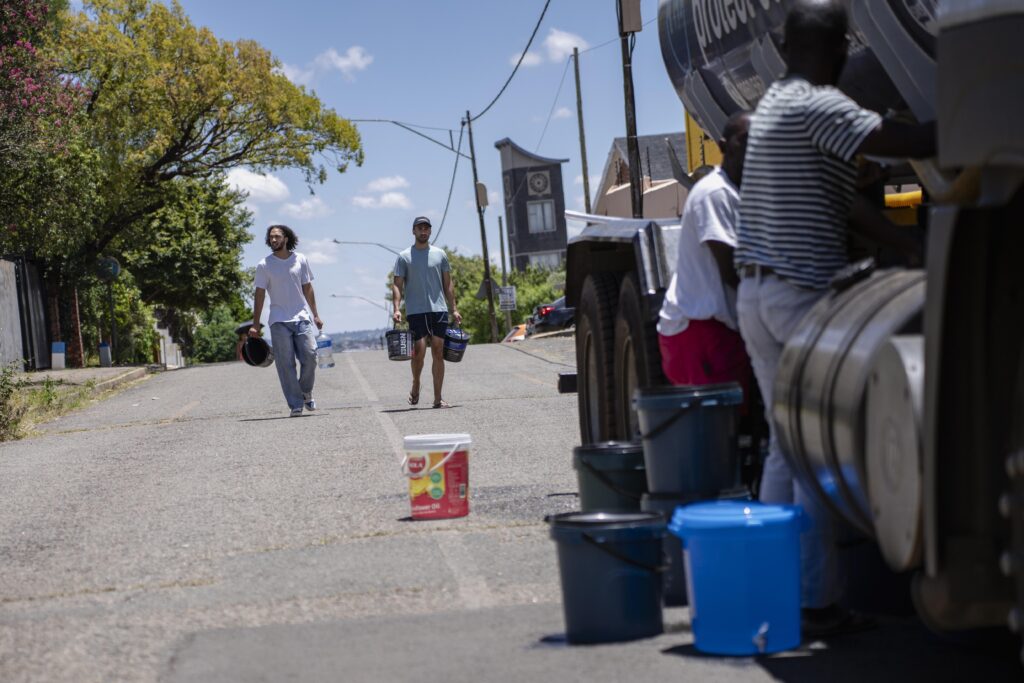
In recent years, the City of Johannesburg has faced a water crisis that has raised numerous questions about transparency and fiscal responsibility. With more than R650 million reportedly sunk into water tanker services over the past five years, the public is left wondering where this money has gone. The South African Human Rights Commission (SAHRC) has drawn attention to the issue, highlighting serious concerns regarding the management of these funds and the opaque nature of the tendering process. This blog post delves into the intricacies of Johannesburg’s water tanker predicament, examining the implications for citizens and investors alike.
Johannesburg’s water crisis is indicative of systemic issues within municipal governance and infrastructure management. The SAHRC’s inquiry into the Gauteng water crisis has shed light on the alarming reliance on water tankers as a stopgap solution rather than a sustainable measure. Reports have indicated that two companies, Builtpro Construction and Nutinox, received a substantial tanker contract worth R263 million in 2024, only for it to be invalidated by the high court the following year. Despite this legal setback, these companies continue to operate while their appeal is pending, raising red flags about the integrity of the tendering process.
Transparency is a critical factor in the management of public funds. Johannesburg Water, the city’s primary water utility, has been criticized for its lack of openness regarding the allocation of contracts and the procurement of tankering services. This secrecy not only undermines public trust but also fosters an environment ripe for mismanagement and corruption. Dr. Ferrial Adam, executive manager of WaterCAN, is among those who has voiced grave concerns about the current state of affairs, noting that the city’s water tankering system consumes approximately 10% of Johannesburg Water’s annual capital budget.
The financial implications of this dependence on water tankers are profound. According to the 2024/25 Johannesburg Water annual report, R817,000 was flagged as irregular expenditure because services were rendered without proper purchase orders after funds had been exhausted. Such irregularities point to a broader pattern of financial mismanagement that could have long-lasting effects on the city’s water infrastructure. Advocate Afika Nqeto, who leads the SAHRC inquiry, has characterized the current expenditure on water tankers as a “costly and unsustainable substitute” for investing in long-term solutions, particularly given the staggering R27 billion backlog in necessary infrastructure upgrades.
At the core of these issues lies a troubling cycle of corruption and mismanagement. Dr. Henk Boshoff from the SAHRC has emphasized that the escalating reliance on water tankers is symptomatic of deeper systemic problems, including theft and financial malpractice within municipal authorities. Evidence has emerged suggesting that infrastructure may be deliberately sabotaged to create demand for tanker contracts, benefiting those in positions of power. This reality paints a picture of financial mismanagement that transcends mere inefficiency; it reveals a deliberate exploitation of public resources.
For investors and traders, the implications of Johannesburg’s water crisis extend beyond social responsibility. The ongoing issues highlight the risks associated with investing in regions where governance and accountability are compromised. The failure to adequately maintain infrastructure not only threatens the livelihood of residents but also poses risks to businesses and investors reliant on stable public services. As the crisis unfolds, stakeholders must consider the long-term ramifications of corruption and mismanagement on economic stability and growth potential in the region.
In conclusion, Johannesburg’s water crisis is a multifaceted issue that encapsulates the broader challenges of governance, transparency, and accountability within municipal systems. The substantial financial commitments made towards water tankers underscore a pattern of reliance on temporary solutions rather than addressing the root causes of infrastructural decay. As citizens and investors alike grapple with the consequences, the pressing need for reform and improved oversight becomes increasingly apparent. Ensuring that public funds are managed responsibly is not just a matter of governance; it is essential for fostering a sustainable and equitable future for all stakeholders involved.