
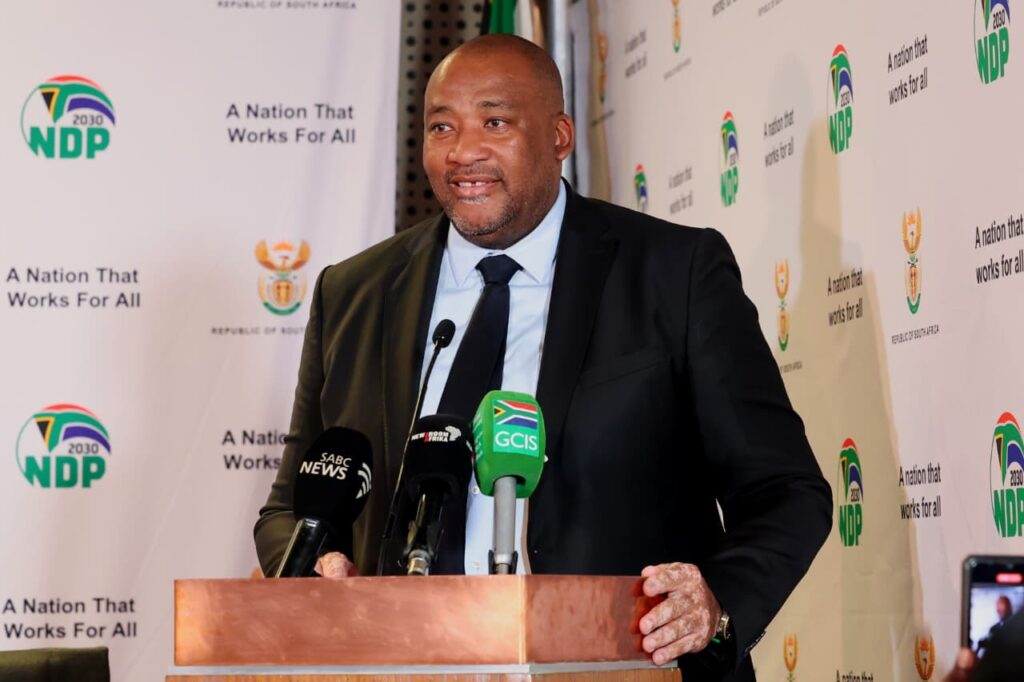
In recent months, South Africa has witnessed a troubling surge in xenophobic sentiments and actions against foreign nationals, particularly those from neighboring African countries. At the center of this controversy is the Zimbabwe Exemption Permit Holders Association (Zepha), which has made a significant move by filing a complaint with the International Criminal Court (ICC) against Gayton McKenzie, the Minister of Sports, Arts and Culture. This incident underscores the urgent need for accountability and a reevaluation of the political rhetoric surrounding immigration in South Africa.
The situation began to escalate when McKenzie made inflammatory remarks that many believe incited hostility towards foreign nationals in South Africa. Specifically, he suggested that he would prioritize the health of South African citizens over that of foreign nationals, even going so far as to imply that he would turn off life-support systems for immigrants in need of medical assistance. Such statements, made in the context of a broader narrative that foreign nationals are straining public resources, have raised alarms about the potential for violence and discrimination against vulnerable populations seeking healthcare and safety in South Africa.
Zepha’s complaint highlights the paradox of McKenzie’s popularity in a country grappling with high unemployment and service delivery challenges. The organization accuses him of exploiting these socioeconomic issues to fuel xenophobic attitudes, ultimately leading to a climate of fear and violence against foreign nationals. The complaint also points to a systemic failure among South Africa’s leadership, including President Cyril Ramaphosa and the judiciary, to address these dangerous statements and the harmful ideologies they propagate.
The International Criminal Court often deals with the gravest offenses, including crimes against humanity, which raises important questions about the role of political leaders in shaping societal attitudes towards marginalized groups. McKenzie’s comments appear to have emboldened anti-immigrant groups, some of which have taken vigilante actions against foreigners, further complicating an already volatile situation. The complaint serves as a reminder that political discourse has real-world consequences, and failure to address harmful rhetoric can lead to tragic outcomes.
The pressing issue of immigration in South Africa is not entirely new. Over the years, foreign nationals, especially those from Zimbabwe and Mozambique, have faced increasing hostility, often portrayed as scapegoats for the nation’s economic woes. This narrative is not only misleading but also dangerous, as it perpetuates a cycle of discrimination and violence. The reality is that many immigrants contribute positively to the economy and society, filling gaps in labor markets that South Africans are often unwilling to occupy.
Key takeaways from this unfolding situation emphasize the importance of responsible leadership and the need for constructive dialogue around immigration. It is crucial for leaders to recognize their influence and the potential ramifications of their words. Furthermore, the South African government must take a firm stance against xenophobia, promoting inclusivity rather than division. As President Ramaphosa stated, the responsibility for enforcing immigration laws lies solely with authorized government officials, and any form of vigilante justice undermines the rule of law.
For traders and investors, the implications of this xenophobic climate are manifold. A stable political environment is essential for economic growth, and rising tensions can deter foreign investment. Companies operating in South Africa need to be acutely aware of the social dynamics at play, as public sentiment can impact market conditions. Furthermore, sectors reliant on foreign labor could face labor shortages and increased operational costs if anti-immigrant sentiments lead to violence or mass expulsions.
In conclusion, the complaint lodged against Gayton McKenzie serves as a crucial moment for South Africa. It raises vital questions about the responsibilities of leaders in fostering a society that values inclusivity and respect for all individuals, regardless of their nationality. As the nation grapples with its identity and the complexities of immigration, it is imperative for both political and civic leaders to advocate for a more humane approach that recognizes the contributions of foreign nationals. Only through accountability and constructive dialogue can South Africa hope to rise above the challenges posed by xenophobia and build a more unified and prosperous future.