
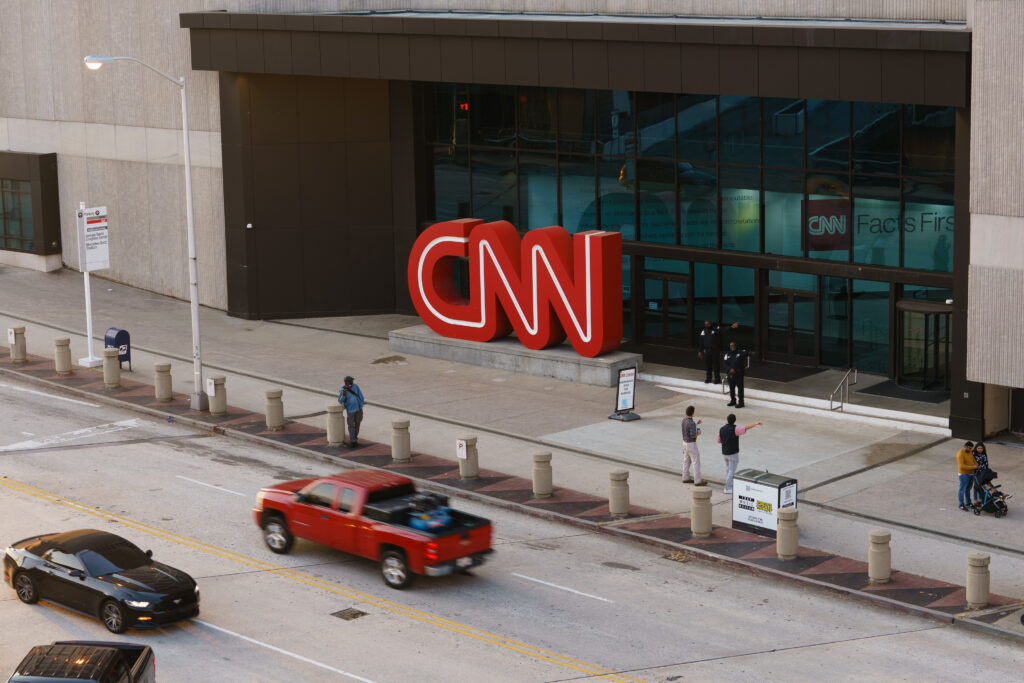
In a significant move that has captured the attention of both legal experts and the general public, former President Donald Trump is poised to take his ongoing legal struggle with CNN to the US Supreme Court. At the heart of this dispute is a $475 million defamation lawsuit that hinges on the use of the term “Big Lie” by the network in relation to Trump’s unsubstantiated allegations of voter fraud in the 2020 presidential election. This case not only underscores the complexities surrounding free speech and defamation in the modern media landscape but also raises critical questions about the implications for journalistic integrity and the boundaries of opinion versus fact in reporting.
Trump’s legal team has formally requested a 60-day extension to file a petition for the Supreme Court’s review, following a lower court’s dismissal of the lawsuit. The appeal signals Trump’s determination to challenge the portrayal of his claims regarding the election, which he insists were grounded in legitimate concerns about electoral integrity. Trump’s attorney, Alejandro Brito, has stated that the former president was “lawfully pursuing then-unresolved, and now proven, claims about election irregularities.”
This legal battle is not an isolated incident; it is part of a broader strategy employed by Trump, who has initiated multiple lawsuits against various media outlets, including the New York Times and the Wall Street Journal. These lawsuits generally allege that the media has disseminated misleading information about Trump’s actions and financial dealings, raising implications that he is attempting to suppress criticism from journalists.
The lawsuit against CNN was initially filed in 2022, accusing the network of damaging Trump’s reputation by frequently labeling his claims as the “Big Lie” and allowing guests on their platforms to make comparisons between Trump and Adolf Hitler. This characterization is particularly contentious, as it touches on sensitive historical references that many view as inappropriate and inflammatory. CNN has not publicly commented on Trump’s intentions to escalate the case to the Supreme Court.
The implications of this legal action extend beyond the two parties involved, touching on fundamental issues of press freedom and the nature of public discourse. One crucial aspect of Trump’s appeal is a request for the Supreme Court to clarify the standards under which juries should decide whether statements made in the media are considered opinion or fact. This distinction is vital, as it determines the threshold for defamation claims and can have profound effects on how media outlets report on public figures.
Key takeaways from this ongoing legal saga include an understanding of the intricate relationship between defamation law and the protection of free speech. Defamation, a serious claim, requires proving that false statements were made with actual malice or negligence. For public figures like Trump, the bar is set higher, necessitating a demonstration that the media had knowledge of the falsity of their statements or acted with reckless disregard for the truth. This raises pressing questions about the responsibilities of journalists and the extent of their protections under the First Amendment.
From a trader or investor perspective, the implications of Trump’s legal endeavors could affect market sentiments, particularly in sectors tied to media and communication. Investors must remain vigilant about the potential fallout from high-profile legal cases that can influence public perception and corporate reputation. Furthermore, the outcomes of such cases can set precedents that shape the regulatory landscape for media companies, ultimately impacting their operating environment and profitability.
As we look ahead, it is clear that the Supreme Court’s eventual decision on whether to hear Trump’s appeal could have significant ramifications not just for the former president, but also for the media industry as a whole. The court’s ruling may redefine the legal boundaries of free speech in the context of journalism, potentially altering how news organizations navigate reporting on controversial figures and topics.
In conclusion, the legal battle between Donald Trump and CNN is emblematic of the complex interplay between free speech, media representation, and the legal system. As this case unfolds, it will be essential for observers to consider the broader implications for both the press and public discourse. The outcomes will not only impact Trump’s reputation and legal standing but may also establish new norms for how media outlets report on contentious political issues in the future. As the Supreme Court deliberates its involvement, the implications of this case will resonate across the political and media landscape for years to come.