
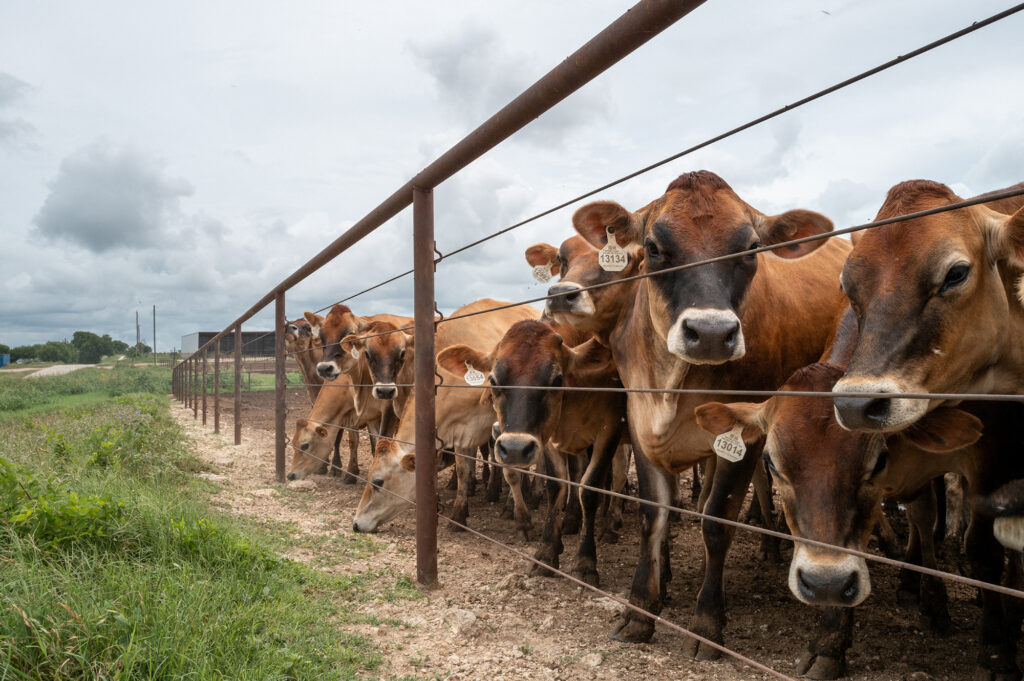
In a troubling development for the agricultural sector, the United States Department of Agriculture (USDA) has reported an alarming increase in the number of New World screwworm cases, raising urgent concerns about its potential spread. As the USDA confirmed three new cases, bringing the total to five, the agricultural community is bracing for the implications of this invasive parasite on livestock and the broader beef industry.
The New World screwworm, a parasitic fly known for infesting the flesh of warm-blooded animals, has been detected in various parts of the United States, including Texas and New Mexico. The situation has escalated quickly, with the initial detection occurring in calves in Zavala County, Texas, followed by additional cases in La Salle County and Gillespie County. The presence of this pest in a dog in New Mexico has further widened the geographical scope of concern, as it signals potential movement across state lines. This marks the first instance of the screwworm being reported in the U.S. in over a decade, and the first in cattle in nearly fifty years.
The USDA is treating this outbreak with utmost seriousness. Officials have indicated that while the case involving the dog is believed to be isolated, there is a pressing need for vigilance and comprehensive inspections of other animals in the area. Agriculture Secretary Brooke Rollins emphasized the urgency of the situation during a recent CNBC interview, stating that the USDA is committed to investing over $1 billion to eradicate the New World screwworm from the country. The agency is also coordinating with state partners to bolster outreach efforts in affected regions, particularly in light of the dog’s recent travel history, which may have included a visit to Mexico.
The implications of the New World screwworm outbreak extend beyond immediate health concerns for the animals. The livestock industry, particularly the beef sector, is already grappling with a supply crisis due to a dwindling domestic herd, which has reached its lowest point in seventy-five years. The USDA’s findings are likely to exacerbate these existing challenges, as heightened caution around cattle movement is expected. For instance, Georgia’s Agriculture Department has announced restrictions on the movement of livestock and pets from specific Texas counties, while Canada has imposed a ban on the transit of livestock that has been in Texas within the past three weeks.
This situation poses a dual threat: not only does it risk the health of livestock, but it also places immense pressure on beef processing plants that are already operating at a loss. Industry giants such as Tyson Foods and JBS NV are facing financial strains due to high cattle prices, leading to plant closures and operational disruptions. The prospect of losing additional cattle to screwworm infestations could further complicate recovery efforts for these companies and the broader beef supply chain.
Key takeaways from this situation include the urgent need for enhanced biosecurity measures, increased awareness among livestock owners, and the importance of swift government intervention in managing animal diseases. Understanding the lifecycle of the New World screwworm and its impact on livestock health is crucial for mitigating future outbreaks. The USDA has already approved a range of medications for treating infestations, thereby providing some level of reassurance to livestock owners.
For traders and investors in the agricultural sector, the New World screwworm outbreak signals potential volatility in the beef market. As supply chains tighten and restrictions on livestock movement are implemented, market dynamics may shift, resulting in price fluctuations. Investors should monitor the situation closely, keeping an eye on the USDA’s response and any further developments regarding the spread of the screwworm.
In conclusion, the emergence of the New World screwworm in the United States serves as a stark reminder of the vulnerabilities within the agricultural sector. While the USDA and state agencies are mobilizing efforts to contain the outbreak, the repercussions on the beef industry could be significant. Stakeholders must remain vigilant and proactive in addressing this challenge, ensuring that livestock health is prioritized and that the industry is prepared to navigate the complexities of this evolving situation. As the agricultural community rallies together, the resilience of the sector will be tested, and its ability to adapt will ultimately determine its future success.