
In recent weeks, the geopolitical landscape of the Middle East has been marked by intensifying diplomatic efforts aimed at quelling longstanding tensions, particularly between the United States, Iran, and Israel. With the prospect of a peace deal on the horizon, this situation has significant implications not only for regional stability but also for global markets, particularly the energy sector. As these negotiations unfold, investors are keenly watching for indicators that may impact oil prices and market sentiment.
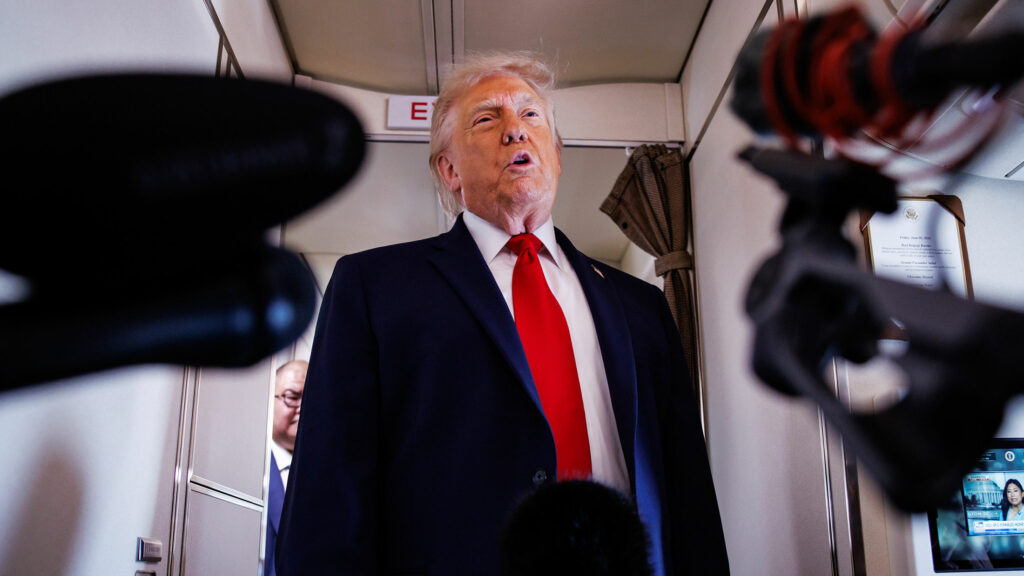
The current diplomatic push follows a series of military confrontations, notably between Iran and Israel, which had escalated to a point where both nations were launching ballistic missiles at each other. The U.S. has played a pivotal role in mediating discussions, with President Donald Trump recently suggesting that the parties are nearing a resolution. “We’re in the final throes of what will be a very, very good deal,” Trump commented, indicating optimism about a potential agreement that could foster peace and stabilize the region.
The ongoing negotiations are particularly crucial given the historical context of the U.S.-Iran conflict, which has roots stretching back decades but intensified after U.S. and Israeli military actions against Iran began in February. A ceasefire has been in place for approximately two months, although sporadic skirmishes have persisted, highlighting the fragile nature of the current situation. The risk of a return to full-scale conflict remains ever-present, underscoring the need for a lasting resolution.
Recent reports indicate that mediation efforts are intensifying, involving various stakeholders, including Pakistan, which is acting as a facilitator for dialogue. Both Iran and Israel have expressed a willingness to hold their fire for the time being, with Israeli Prime Minister Benjamin Netanyahu stating that any future attacks from Iran would elicit a strong response. Conversely, Iran has announced a halt to its military operations against Israel but has also issued warnings about potential repercussions if Israel continues its attacks, particularly in southern Lebanon where Hezbollah militants are active.
As the situation continues to evolve, it is essential for traders and investors to understand the potential implications of these developments. The U.S. Army’s recent incident involving an Apache helicopter near the Strait of Hormuz—a vital pathway for global oil transport—serves as a reminder of the precarious stability in the region. While the specifics of the incident remain unclear, any military escalation in this area could lead to immediate volatility in oil prices and broader financial markets.
The energy sector has already felt the impact of these tensions, with global oil prices experiencing significant fluctuations since the onset of hostilities. Brent crude oil prices recently fell by 1.3% to approximately $93 per barrel, a sign of market reaction to the potential for easing tensions. Trump has suggested that a successful negotiation could lead to a rapid decline in oil prices, which would be welcomed by consumers and industries reliant on stable energy costs.
Key takeaways from this evolving narrative include the importance of monitoring diplomatic developments closely, as the outcome of these negotiations could reshape not only the geopolitical landscape but also have far-reaching economic implications. Investors should remain cautious but vigilant, as the balance of power in the region hangs in the balance.
For traders, the current environment presents both risks and opportunities. A successful peace deal could herald a new era of stability, potentially leading to lower oil prices and a boost for equities. Conversely, any signs of renewed conflict could trigger panic selling and increased volatility across markets. Thus, being prepared for rapid shifts in sentiment is crucial.
In conclusion, as the world watches the unfolding events in the Middle East, the prospects for peace between Iran and Israel remain uncertain but tantalizing. The diplomatic efforts spearheaded by the U.S. could lead to significant changes in the regional balance of power and the global energy market. For investors and traders, staying informed and agile will be key to navigating the potential outcomes of this high-stakes situation. With the possibility of a deal in the coming days, the global financial community is poised for a critical juncture that may redefine the economic landscape in the months ahead.