
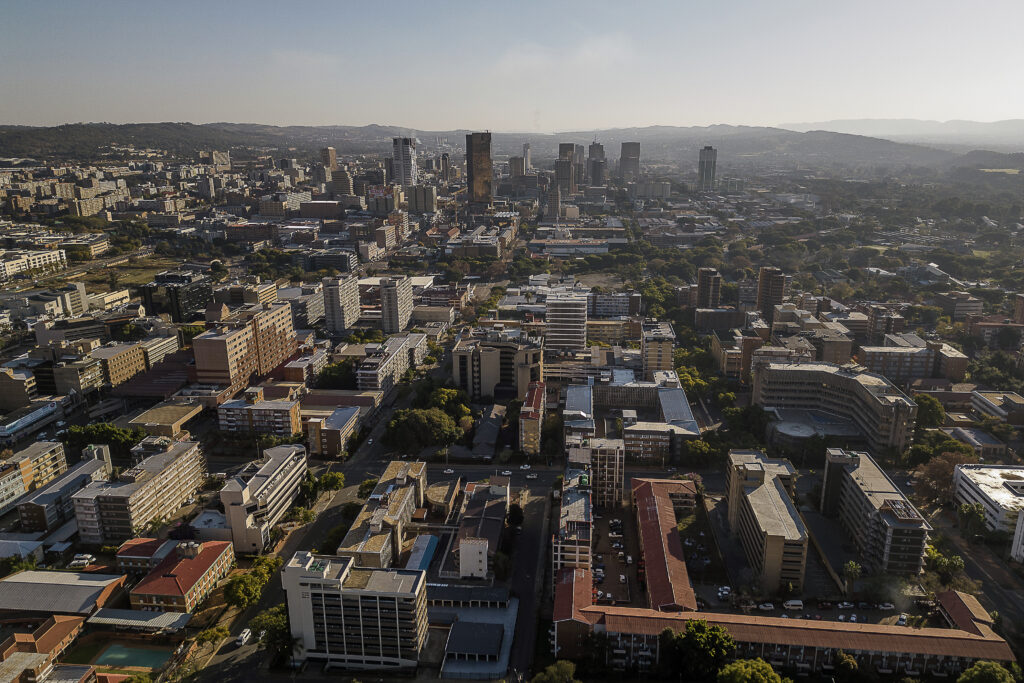
The South African economy is currently facing challenges that have become the subject of intense debate among economists, investors, and political commentators. As the nation grapples with a staggering unemployment rate, the underlying issues affecting its economic growth and the public’s perception of government performance are worth examining. This blog post will explore the paradox of economic growth in a democracy, the implications of unemployment, and what this means for investors and traders in the current climate.
The South African economy has been described as a complex system with many moving parts, yet it often appears to be stuck in a quagmire of stagnation. Despite being classified as a developed nation, the country has been grappling with a mere 0.5% economic growth rate. In most democracies, such underwhelming performance would lead to significant political consequences, including the loss of power for the ruling party. However, South Africa’s political landscape is anything but typical, leading to questions about the electorate’s loyalty and the future of its economic policies.
One of the most alarming statistics is South Africa’s unemployment rate, which is among the highest in the world. In a context where a country with a low unemployment rate can expect to see a growth rate of around 2% to 3% to sustain economic vitality, South Africa’s situation requires a growth rate of at least 10% to make a significant dent in its unemployment levels. Such a lofty target may seem unachievable, especially when considering the current economic climate, which has been further exacerbated by global economic challenges and local governance issues.
The high unemployment rate poses a dire threat to social stability and economic progress. With approximately one-third of the electorate still supporting the ruling party, one has to wonder what factors are at play that continue to engender this loyalty. This phenomenon could be attributed to a combination of historical loyalty, lack of viable alternatives, and the complexities of socio-economic issues that plague the nation. Many voters may feel that despite the government’s shortcomings, it remains the best option available, or they may believe in the promise of change that has yet to materialize.
For investors and traders, the implications of South Africa’s economic situation are considerable. A stagnant economy with high unemployment can create an environment of uncertainty, which may lead to volatility in the financial markets. Investors must be cautious and conduct thorough research before making decisions in this unpredictable landscape. Key sectors that may be affected include mining, manufacturing, and services, which are critical to the South African economy.
Moreover, the disconnect between economic growth and employment levels can lead to a challenging investment climate. Companies may face difficulties in expanding their operations or hiring new employees, which could stifle innovation and growth. Investors must pay close attention to government policies aimed at improving job creation, as well as any reforms that could potentially stimulate economic growth.
In summary, South Africa’s economic challenges present a complex picture for both the government and the electorate. The paradox of low growth and high unemployment raises questions about the effectiveness of current policies and the future direction of the nation. For investors and traders, understanding the nuances of this situation is crucial for navigating the potential risks and opportunities that lie ahead.
In conclusion, the South African economy is at a crossroads, with pressing issues that demand immediate attention from policymakers and stakeholders alike. While the electorate may continue to support the ruling party, the need for substantial economic reforms and job creation initiatives is evident. For those involved in trading and investment, keeping a pulse on these developments will be essential for making informed decisions. Ultimately, South Africa’s ability to overcome its economic hurdles will depend on the concerted efforts of its leaders, businesses, and citizens to foster a sustainable and inclusive economic environment.