
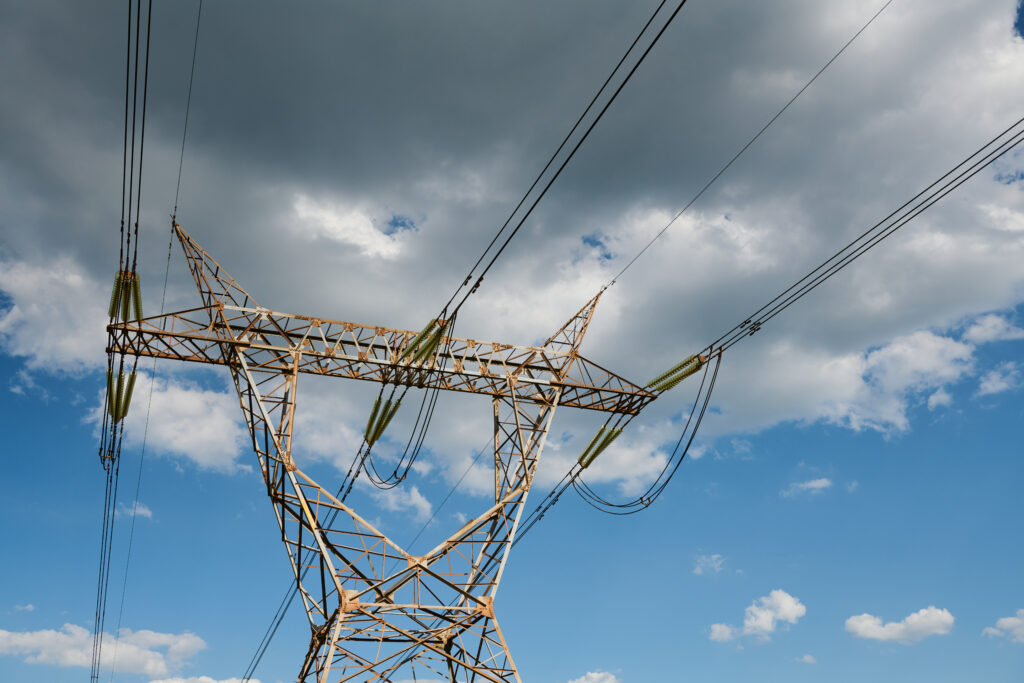
In a significant turn of events, the City of Tshwane has emerged victorious in a legal battle against Eskom and the National Energy Regulator of South Africa (Nersa). This court ruling could potentially yield an additional R125 million in monthly revenue for the financially strained municipality, highlighting the intricacies of energy distribution rights in South Africa. This case not only sheds light on the ongoing tussle between local governments and energy suppliers but also raises essential questions about infrastructure development, municipal authority, and revenue generation in the context of smart city projects.
The backdrop of this legal showdown centers around the ambitious Mooikloof Mega City, a smart-city initiative spearheaded by Balwin Properties, which was launched in partnership with the South African government in 2020. This development is part of a broader strategy to enhance urban living through sustainable infrastructure and modern amenities. Initially valued at R84 billion, the project aims to create around 50,000 sectional-title units, showcasing the government’s commitment to tackling housing shortages and urban growth. However, the court ruling has significant implications beyond just this project.
The genesis of the dispute can be traced back to March 2022 when the City of Tshwane was taken aback by Eskom’s application to amend its electricity distribution license. The application sought to include the Mooikloof Mega City area within Eskom’s licensed distribution territory. Complicating matters, the land in question, situated on the Rietfontein 375-JR farm, had been under the jurisdiction of Tshwane’s distribution license since 2011. According to regulatory guidelines, overlapping distribution zones are prohibited, and this legal framework is designed to ensure that municipalities retain control over their service areas.
Tshwane’s objections were grounded in the assertion that the municipality had not granted Eskom permission to operate within its designated area. The city highlighted its own ongoing infrastructure projects, asserting that it had the capability to deliver electricity effectively without needing Eskom’s intervention. Moreover, the municipality underscored the constitutional principle that electricity distribution is an exclusive function of local government. The potential revenue loss of R125 million per month was a critical factor in their argument, as such a loss would have significant impacts on the city’s budget and service delivery capabilities.
The court’s decision, delivered by Judge Anthony Millar, has been hailed as a victory for Tshwane, affirming the city’s right to manage electricity distribution within its boundaries. This ruling not only protects the municipality’s revenue streams but also reinforces the principle that local authorities have a vital role in managing essential services. The implications of this ruling extend beyond mere financial considerations; it solidifies the municipality’s governance and operational autonomy over energy distribution within its jurisdiction.
Key takeaways from this case include the importance of understanding local governance and regulatory frameworks in energy distribution. Municipalities possess exclusive rights to manage electricity supplies within their regions, a principle that is vital for maintaining local control and ensuring sustainable urban development. Additionally, this ruling emphasizes the need for clear communication and collaboration between municipalities and energy providers to avoid disputes that could hinder infrastructure projects and service delivery.
For traders and investors, this case illustrates the complexities of investing in urban development projects, particularly those tied to essential services like energy. Understanding the regulatory landscape and the relationships between local governments and energy suppliers can provide critical insights for investment strategies. As urbanization continues to accelerate, projects like Mooikloof Mega City will require careful navigation of these relationships to ensure success and sustainability.
In conclusion, the City of Tshwane’s victory in the court case against Eskom and Nersa is a landmark ruling that underscores the importance of local governance in energy distribution. It not only secures vital revenue for the municipality but also reinforces the constitutional rights of local governments to manage essential services. As South Africa continues to grapple with energy challenges and urbanization, this case serves as a reminder of the need for clear regulatory frameworks, effective communication, and collaboration among stakeholders to foster sustainable development and enhance the quality of life for residents. The future of smart cities in South Africa may very well depend on the outcomes of such legal battles, making them crucial for investors and policymakers alike.