
As winter sets in, households everywhere are gearing up for the inevitable rise in electricity bills. The chill in the air often leads to discussions about heating solutions, with many people quick to point fingers at electric blankets as the culprits behind soaring costs. However, a closer examination reveals that the winter heating landscape is far more complex, and consumers may not be aware of just how economical electric blankets can be compared to traditional heating methods.
In South Africa, the onset of colder weather has left many residents feeling the financial strain of increased energy consumption. With temperatures dropping, it is common for households to rely more heavily on electric heating appliances to maintain a comfortable environment. Yet, the surprise of seeing electricity bills double or even triple from previous months can be alarming.
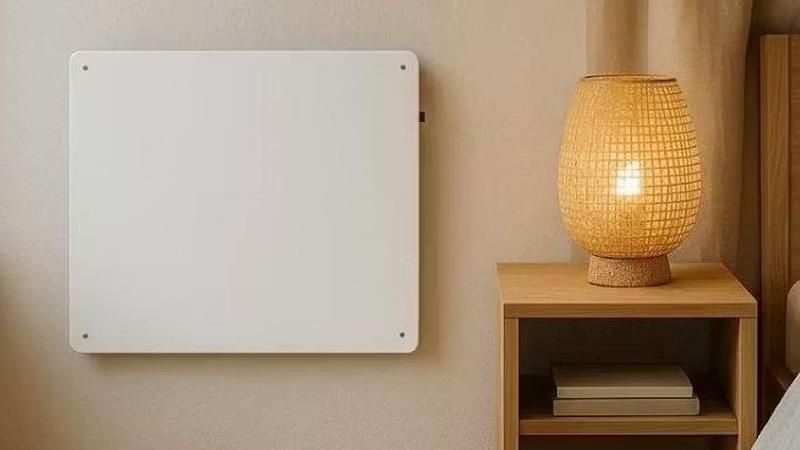
A critical look at the numbers shows that electric blankets, which are often at the center of blame for high energy costs, actually have a much lower impact on utility bills than commonly perceived. For instance, running a typical electric blanket for two hours every night amounts to around R21 a month. If a household uses three blankets, the total cost only escalates to about R63 for the month. In stark contrast, the cost of using a single 400W wall-panel heater continuously can skyrocket to approximately R1,000 monthly.
For families that employ multiple heaters—such as four wall-panel heaters, one for each bedroom and one for the living area—the monthly bill could reach a staggering R4,000 before accounting for other heating appliances. Adding even a small 800W fan heater for just four hours a day can push monthly heating costs over R4,400.
The pricing structure for electricity in Johannesburg further complicates matters. In this region, residential prepaid customers face a tiered pricing model. The first 350 units of electricity are priced at R2.6645 per kilowatt-hour, with subsequent units escalating significantly. This tiered system means that the more heating units a household operates, the more likely they are to exceed the lower tariff blocks and incur higher charges for each additional unit consumed.
For example, if a family’s heating expenses climb to R4,400, they may quickly find themselves paying the highest rates on most of their electricity use. This tiered pricing structure is not unique to Johannesburg; many municipalities across the country utilize similar block tariffs, where increased consumption results in progressively higher costs.
Moreover, those living in sectional-title complexes or estates may face additional charges. Many of these developments rely on private metering companies, which can impose fixed monthly fees, percentage-based administrative costs, or other service charges tied to electricity consumption. This means that the financial impact of winter heating can extend beyond just the cost of power itself, further straining budgets.
The irony here is striking: the appliance that is often blamed for rising electricity bills—the electric blanket—is actually one of the most economical heating options available. The simplicity of their operation and comparatively low energy consumption make them an ideal choice for those looking to stay warm without breaking the bank.
Key takeaways from this analysis remind us of the importance of being informed about energy consumption and its associated costs. It’s essential to consider the type of heating appliances being used and their operational efficiencies. Electric blankets can provide a cozy solution for nighttime warmth, while traditional heating methods may lead to higher bills due to their energy demands.
For traders and investors in the energy sector, understanding these consumer habits and appliance efficiencies can provide valuable insights. As households become increasingly aware of their energy consumption patterns, there may be a growing market for more energy-efficient heating solutions. Companies that focus on developing and promoting energy-efficient products could see substantial growth as consumers seek cost-effective alternatives.
In conclusion, as winter approaches, it’s crucial to reassess our heating strategies and the tools we use to stay warm. Electric blankets emerge as a surprisingly affordable option compared to traditional wall heaters, challenging the common perception that they are the primary culprits behind rising electricity costs. By understanding the true costs associated with various heating methods, consumers can make informed decisions that not only keep their homes warm but also help manage their budgets effectively during the colder months.