
In a critical move that is set to impact households across South Africa, the South African Reserve Bank (SARB) has raised interest rates by 25 basis points, bringing the new rate to 10.50%. This decision comes in the wake of a complex geopolitical landscape, particularly the ongoing conflict in the Middle East, which has led to significant fluctuations in oil prices. As South Africans brace for the financial repercussions of this increase, it is essential to understand the broader implications of this rate hike and how it affects everyday financial commitments.
The recent hike in interest rates is particularly concerning for consumers who are already managing significant debt levels. According to estimates, households with an average debt of approximately R1.55 million could see their monthly expenses increase by as much as R400. This increment could weigh heavily on budgets that are already stretched thin, especially given the current economic climate marked by rising inflation and escalating living costs.
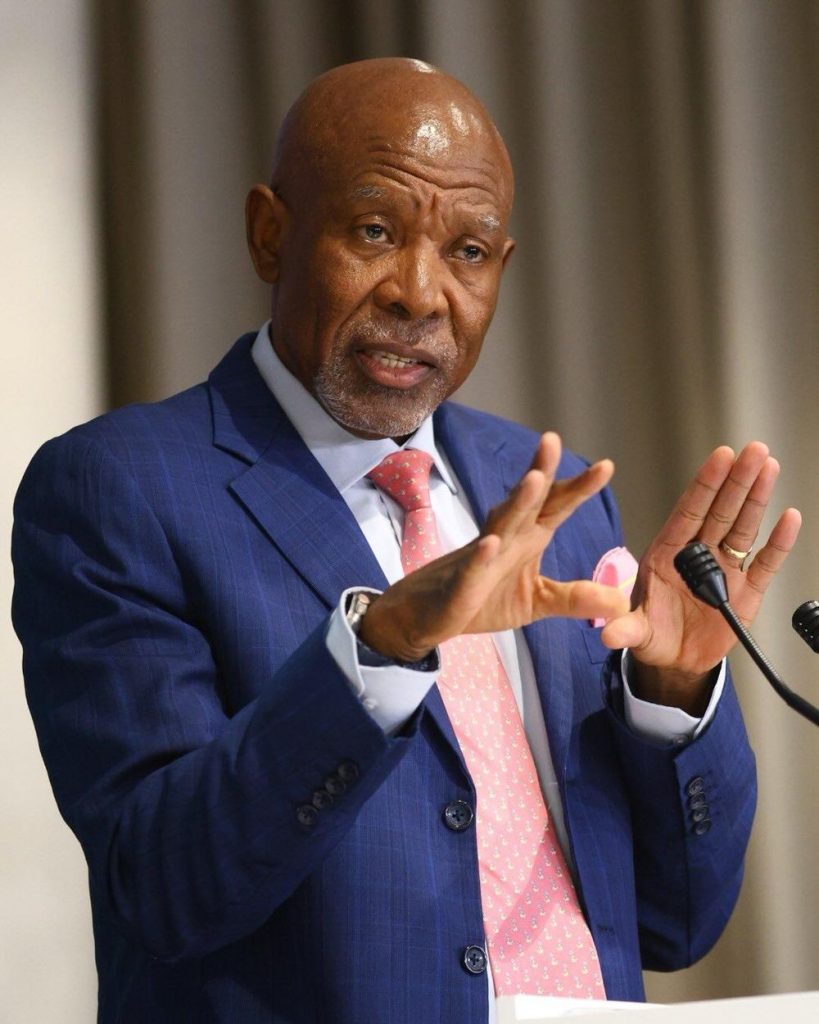
The backdrop to this decision is multifaceted. SARB Governor Lesetja Kganyago has indicated that the economic environment has shifted since the last policy meeting in March. The ongoing international tensions and the recent spikes in oil prices—reaching up to $120 a barrel—have played a pivotal role in influencing the bank’s decision-making process. Furthermore, Kganyago has cautioned that South African households are feeling the pressure as inflation expectations rise, particularly in relation to food prices.
Key factors influencing this decision include:
1. Geopolitical Instability: The war in the Middle East has significant implications for global oil supply and prices. An increase in oil prices not only affects transport and energy costs but also has a ripple effect on the overall economy, leading to higher inflation.
2. Inflation Trends: Current inflation rates are expected to rise to 4.4% as food and transport costs continue to climb. Experts like Lerato Ntuli from Anchor Capital have pointed out that inflation risks are skewed towards the upside, which means that consumers may face even higher costs in the near future.
3. Economic Fundamentals: Despite the challenges posed by external factors, Kganyago has emphasized that South Africa’s economic fundamentals remain robust. However, the balance between maintaining growth and controlling inflation will be a delicate one.
4. Market Expectations: Financial analysts and economists had anticipated this rate hike, with many suggesting that the SARB needed to act preemptively. The concern is that rising oil prices could lead to entrenched inflation, which could harm the economy if not addressed promptly.
From an investor’s perspective, the implications of this interest rate hike are significant. The increase in the prime rate from 10.25% to 10.50% means that borrowing costs for both consumers and businesses will rise. This could lead to a slowdown in consumer spending as households allocate more of their income to servicing debt rather than discretionary spending. For investors in the property market, the rise in interest rates could dampen demand for new mortgages, potentially leading to a slowdown in property price growth.
Moreover, the current rate hike may strengthen the South African rand in the short term. As higher interest rates often attract foreign investment, there could be a positive impact on currency stability. However, this is contingent on how long the higher rates will be maintained and whether inflation can be controlled effectively.
In conclusion, the recent interest rate hike by the South African Reserve Bank underscores the interconnectedness of global events and local economic conditions. As households prepare to meet higher financial obligations, it is crucial for consumers to reassess their financial plans and budgets. With inflation expectations on the rise and ongoing geopolitical uncertainties, maintaining financial resilience will be paramount. Stakeholders, from individual consumers to large-scale investors, must remain vigilant and adaptable to navigate the challenges ahead. The landscape may be shifting, but understanding the financial implications of these changes can empower South Africans to make informed decisions in uncertain times.