
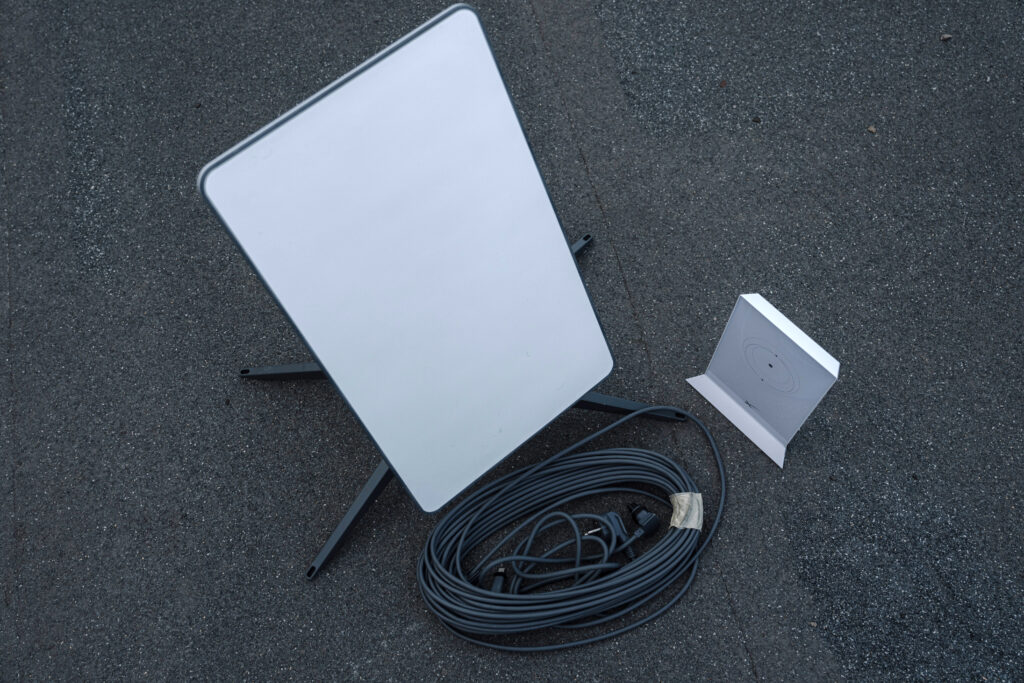
Elon Musk’s ambitious satellite internet service, Starlink, has recently hit a significant snag in its plans to launch commercial operations in India. The country’s regulatory agencies have effectively frozen the necessary approvals, raising concerns over national security amid geopolitical tensions, particularly in light of the ongoing conflict in the Middle East. The implications of this setback extend beyond just one company; they could impact the broader landscape of global internet connectivity, especially in regions that are heavily underserved.
Starlink, a subsidiary of SpaceX, aims to provide high-speed internet access to areas where traditional broadband services are either limited or nonexistent. The company has made strides in various markets but is now facing challenges that highlight the complexities of expanding its services in a geopolitical context. The Indian government, in particular, has expressed apprehensions over Starlink’s operations, especially given reports that its satellite terminals have been utilized during military conflicts, including those involving Iran. This situation has prompted Indian authorities to withhold final approvals necessary for the service to commence, reflecting a growing concern about the implications of foreign-owned technology in sensitive geopolitical climates.
The core of the issue lies in India’s regulatory landscape, which is cautious when it comes to foreign technology that could pose security risks. The Ministry of Home Affairs has taken a particularly stringent stance, requiring Starlink to demonstrate how it can meet India’s security requirements, especially considering its American ownership. This is crucial as India seeks to maintain control over technology that could be influenced by foreign governments, especially during times of international conflict.
Despite securing a Global Mobile Personal Communication by Satellite license in India nearly a year ago, which would have allowed Starlink to initiate operations, the company has found itself mired in a stalled regulatory process. Initial discussions with Indian authorities were promising, as Starlink engaged in security demonstrations and began establishing a framework to align with local regulations. However, the Indian government has since raised additional compliance questions, thus prolonging the approval timeline. The company’s ability to ensure compliance with national security measures has become a critical hurdle, which it must overcome to proceed.
Key points to consider in this unfolding situation include the following:
1. **Regulatory Delays**: The Indian government’s rigorous approach to foreign technology highlights the challenges that international firms face when entering complex markets. Starlink’s experience underscores the importance of understanding local regulatory environments and the potential for delays that can stall operations.
2. **Geopolitical Implications**: With ongoing conflicts in regions such as the Middle East, governments are increasingly wary of how foreign technology could be utilized in sensitive situations. Starlink’s entanglement in geopolitical issues has raised alarms in India, emphasizing the need for technology firms to navigate these waters carefully.
3. **Market Potential**: India represents a vast and largely untapped market for broadband services. With a population exceeding 1.4 billion and a significant number of individuals lacking reliable internet access, the demand for services like Starlink is immense. However, the current regulatory climate poses significant challenges to capturing this market.
Investor insights into this scenario are crucial. Starlink is expected to play a pivotal role in SpaceX’s upcoming IPO, which could be one of the largest in history, aiming for a staggering $1.75 trillion valuation. The potential delay in Starlink’s rollout in key markets like India and its complete shutdown in China raises red flags for investors. The operational hurdles in India may lead to questions about the company’s ability to scale effectively and the sustainability of its growth trajectory.
In conclusion, while Starlink’s vision of global internet connectivity is commendable, its journey through India’s regulatory maze highlights the intricate balance between innovation and security. The company’s commitment to aligning with local regulations is a positive step, but the path ahead remains uncertain. Investors and stakeholders must remain vigilant as they navigate the complexities of international expansion in a world where geopolitical tensions continually reshape the landscape. As Starlink works to resolve these issues, its ability to adapt and respond to regulatory challenges will be a key factor in determining its success in the Indian market and beyond.