
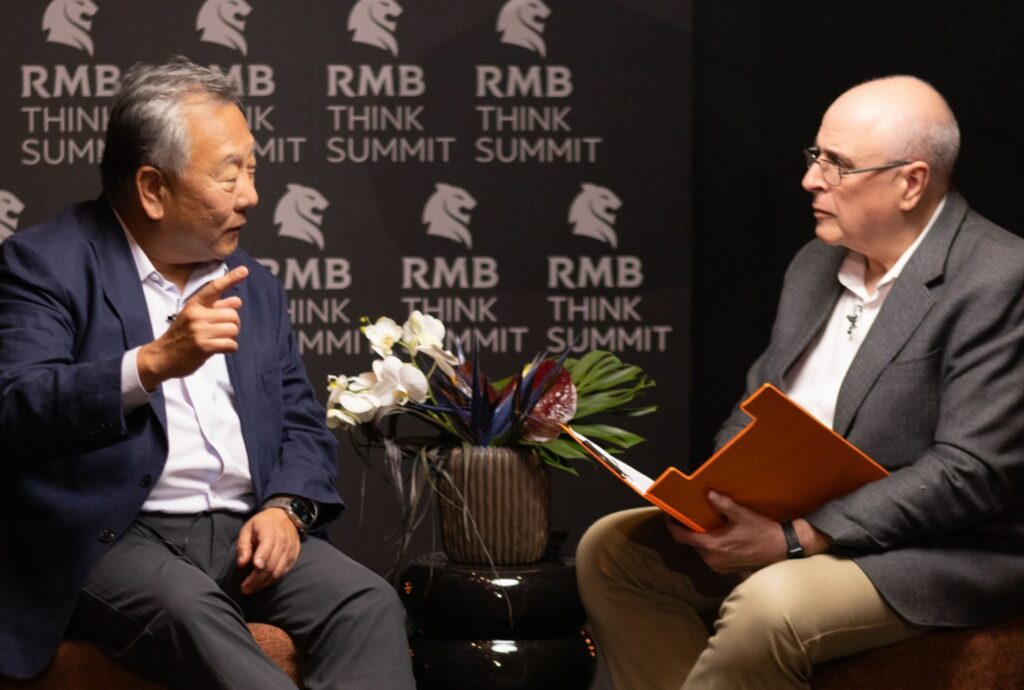
In today’s dynamic financial environment, investors are faced with a complex tapestry of challenges and opportunities. From geopolitical tensions to the fluctuating oil market and the burgeoning field of artificial intelligence, the global investment landscape is ever-evolving. At the recent RMB Think Summit, financial strategist Chen Zhao, the chief global strategist at Alpine Macro, provided invaluable insights into these pressing issues, urging investors to adopt a long-term perspective rather than getting swept up in transient market turbulence.
As geopolitical conflicts arise in various regions, the implications for global markets become increasingly significant. Zhao emphasized the need for investors to look beyond immediate shocks and consider the structural changes that are reshaping the global economy. This approach is particularly relevant in the context of the oil market, which has seen considerable volatility amid rising tensions in key producing regions. While it’s easy to fixate on short-term price movements, Zhao believes that the ongoing transition toward electric vehicles (EVs) is fundamentally altering the demand landscape for oil.
The rise in EV adoption is a critical factor driving a long-term decline in oil demand. As more consumers shift toward sustainable transportation options, the traditional reliance on fossil fuels is expected to wane. This transition is not merely a passing trend but part of a broader structural shift in energy consumption. Zhao stressed that investors should recognize this long-term trajectory rather than react impulsively to fluctuations in oil prices influenced by geopolitical events.
Moreover, Zhao pointed out the growing importance of commodities in a reindustrializing world. As economies worldwide seek to diversify their supply chains and bolster infrastructure, commodities are becoming increasingly valuable. For resource-rich nations, such as South Africa, this presents a unique opportunity. Zhao identified the current environment as indicative of a structural bull market for commodities, driven by global reindustrialization efforts and increased infrastructure investments. As countries work to reduce dependency on single sources of supply, commodities will play a crucial role in this transition.
An equally compelling discussion point was China’s evolving strategy in securing resource ownership across emerging markets. Historically, China has engaged in trade by swapping manufactured goods for foreign capital. However, this dynamic is changing as the country increasingly focuses on acquiring strategic resources in developing regions. Zhao’s analysis underscores the significance of understanding China’s global influence and trade practices, as they will continue to shape investment landscapes for years to come.
While the opportunities in commodities and the shifting dynamics of global trade present promising avenues for investors, Zhao also cautioned against the current exuberance surrounding artificial intelligence investments. He likened the enthusiasm for AI to previous market bubbles, suggesting that investors should approach this sector with caution. The allure of rapid advancements in technology can sometimes overshadow the inherent risks, and Zhao advises investors to maintain a balanced portfolio rather than becoming overly concentrated in any one sector.
Key takeaways from Zhao’s insights revolve around the importance of looking at long-term structural trends, rather than focusing solely on short-term geopolitical noise. By understanding the broader forces at play—such as the transition to electric vehicles, the reindustrialization of economies, and the evolution of China’s resource strategy—investors can better position themselves to capitalize on emerging opportunities.
For traders and investors, this perspective is crucial. The ability to discern between noise and meaningful trends can inform more strategic decision-making. Investors should consider diversifying their portfolios to include commodities, particularly in light of the anticipated structural bull market, while also exercising caution with speculative investments in high-flying sectors like AI.
In conclusion, navigating today’s investment landscape requires a nuanced understanding of the interplay between geopolitical events, technological advancements, and structural economic shifts. Chen Zhao’s insights at the RMB Think Summit serve as a reminder that while market volatility may tempt investors to react impulsively, a focus on long-term trends will ultimately yield greater rewards. By embracing this strategic approach, investors can position themselves to not only weather short-term disturbances but also thrive in a rapidly changing global economy.