
The landscape of South Africa’s financial integrity is currently under scrutiny, particularly in relation to anti-money laundering (AML) practices. Recent revelations at the Madlanga Commission of Inquiry have brought to light serious concerns about the country’s ability to combat organized crime and enforce law effectively. As South Africa gears up for its next assessment by the Financial Action Task Force (FATF), the implications of these findings could be significant for both national security and the broader economy.
The Madlanga Commission has been a focal point for examining the infiltration of organized crime into various sectors, including law enforcement and intelligence agencies. Testimonies from high-ranking officials have revealed disturbing connections between criminal networks and police forces, raising doubts about the integrity of the very systems meant to uphold justice. This situation poses a critical question: How will these challenges impact South Africa’s standing in the international financial community, especially concerning its commitment to combatting money laundering?
The FATF is a global organization that sets standards and promotes measures to combat money laundering and terrorist financing. In October 2025, South Africa successfully exited the FATF’s “grey list,” which marked a significant achievement for the nation. However, the road ahead is fraught with challenges, as the next mutual evaluation process is already underway and promises to be more rigorous than its predecessor.
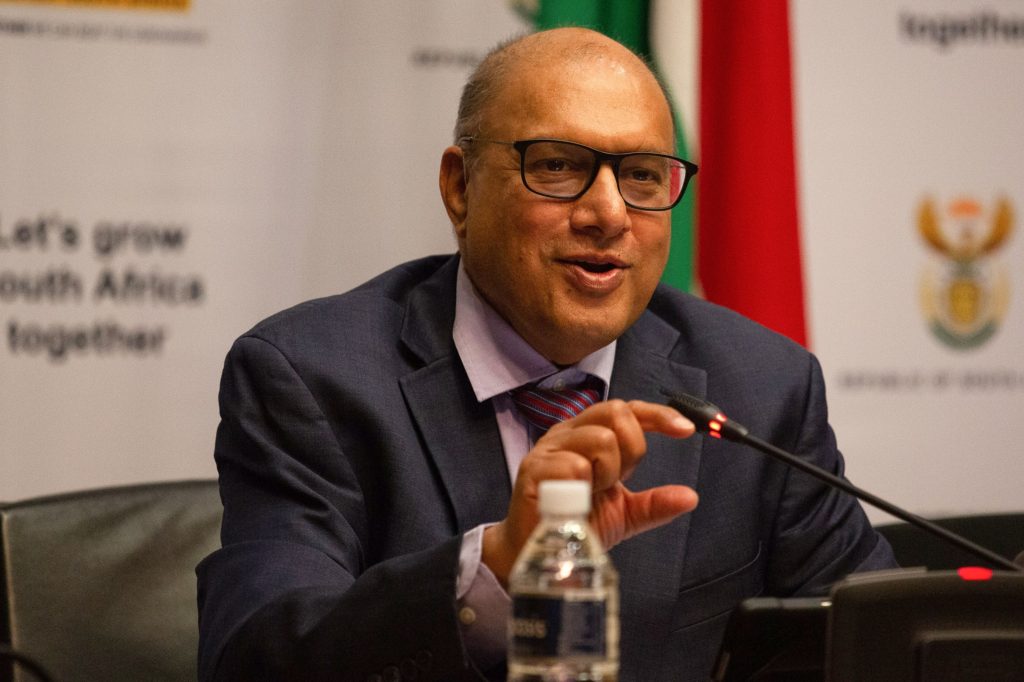
National Treasury’s technical advisor Ismail Momoniat has expressed concerns that ongoing weaknesses in law enforcement could jeopardize the country’s ability to effectively investigate organized crime and recover assets linked to criminal activities. The upcoming evaluation will not only assess compliance with international standards but will also demand concrete evidence of the effectiveness of South Africa’s AML measures. This represents a shift from mere compliance to actual performance, a transition that could prove daunting given the current state of affairs.
Key aspects of this evaluation will hinge on what the FATF refers to as “Immediate Outcomes.” These outcomes serve as benchmarks for measuring the efficacy of law enforcement agencies in tackling financial crime. Among these are Immediate Outcome 7, which focuses on investigations and prosecutions related to money laundering, and Immediate Outcomes 8 and 9, which deal with asset seizures and recoveries. The scrutiny of these areas is particularly intense, as the FATF will be looking for tangible results, rather than just adherence to protocols.
As of the latest reports, South Africa has made strides, reportedly complying with 38 out of 40 FATF recommendations. However, there remain two recommendations that are only partially compliant, reflecting ongoing gaps that need to be addressed. These deficiencies could hinder South Africa’s ability to demonstrate the robust enforcement needed in the upcoming assessment, particularly as the FATF’s evaluation period extends until late 2027.
For traders and investors, the implications of these developments are profound. A nation’s reputation for financial integrity is crucial for attracting foreign investment and fostering economic growth. Any negative findings from the FATF could lead to increased scrutiny from international markets, potentially resulting in higher borrowing costs and diminished investor confidence. This scenario could create a ripple effect, stalling economic progress and impacting businesses both large and small.
Moreover, the evolving landscape of financial crime necessitates that investors remain vigilant and informed. Understanding the regulatory environment and the implications of AML practices is more critical than ever. As law enforcement agencies work to reclaim their credibility and effectiveness, the actions taken in the coming months will be closely monitored by stakeholders across various sectors.
In conclusion, the challenges faced by South Africa as it prepares for its next FATF evaluation are significant and multifaceted. The revelations from the Madlanga Commission have underscored the urgent need for reform within law enforcement and the broader financial system. For traders and investors, this situation serves as a reminder of the interconnectedness of governance, law enforcement integrity, and economic stability. As South Africa navigates this critical juncture, the outcomes of its efforts to enhance AML practices will undoubtedly influence its financial landscape for years to come.