
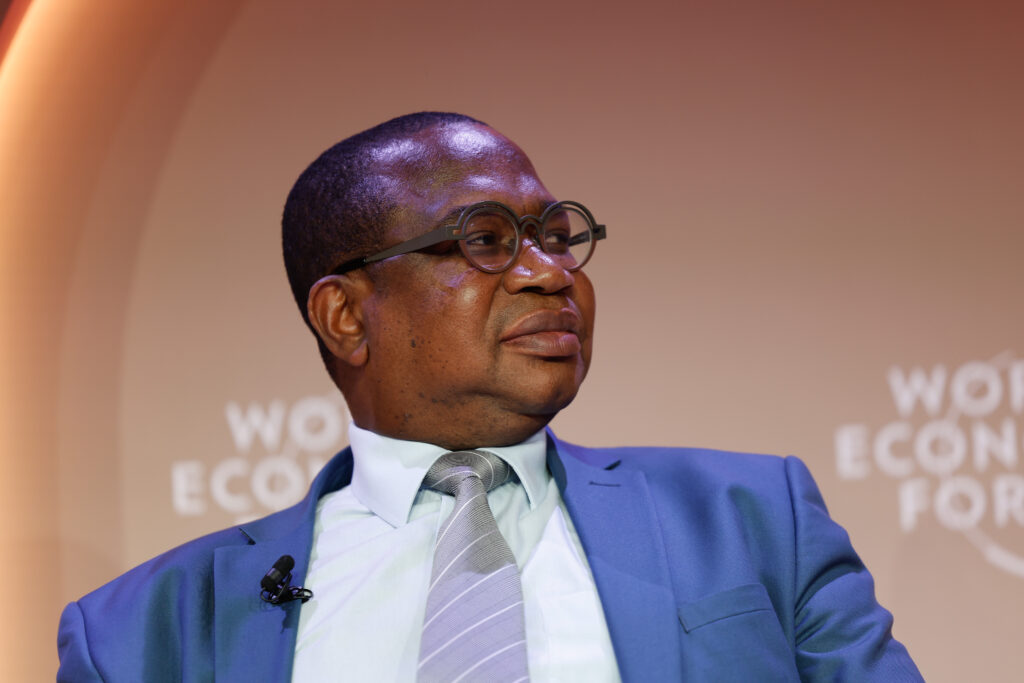
In recent developments, Zimbabwe is taking significant steps to address its longstanding debt crisis by engaging in discussions with the African Development Bank (AfDB) for a substantial loan of $150 million. This initiative is part of a broader strategy to manage billions of dollars in debt arrears that have plagued the nation for years. As the country grapples with a complex financial landscape, the implications of these negotiations extend beyond mere numbers, potentially reshaping Zimbabwe’s economic future.
The need for financial intervention in Zimbabwe has become increasingly urgent. Since 1999, when the country defaulted on its debt obligations to various lenders, including the World Bank and the Paris Club, Zimbabwe has found itself isolated from international capital markets. The ongoing discussions with the AfDB are part of a larger effort led by Finance Minister Mthuli Ncube, who has been proactive in seeking assistance from other nations, including the UK, Japan, and Germany. The ultimate goal is to secure a total of $2.5 billion to address the country’s mounting financial woes.
At the heart of Zimbabwe’s financial predicament is an estimated $23 billion in loans that require restructuring. The AfDB’s Transition Support Facility aims to assist eligible countries in clearing their debt arrears, allowing them to normalize their relationships with international creditors. Eyerusalem Fasika, the AfDB’s country director for Zimbabwe, emphasized the organization’s commitment to supporting Zimbabwe in this critical phase. The AfDB has already provided a $4 million grant to initiate the arrears clearance process, marking its role as a key partner in Zimbabwe’s financial rehabilitation.
The current discussions with the AfDB represent a vital milestone for Zimbabwe as it seeks to re-establish its credibility in the international financial community. The importance of clearing these arrears cannot be overstated; it is seen as the essential first step toward unlocking much-needed development financing. The AfDB has positioned itself as a catalyst for this process, reiterating that resolving arrears is crucial for Zimbabwe’s economic recovery.
In February of this year, Zimbabwe secured a staff-monitored program from the International Monetary Fund (IMF), a pivotal move toward resolving its financial obligations. This program provides a framework for fiscal discipline and transparency, both of which are critical for restoring investor confidence. The IMF is currently conducting its first review of this program, which underscores the seriousness of Zimbabwe’s commitment to reform and stabilization.
Key takeaways from these developments include the recognition of the interconnectedness of Zimbabwe’s financial recovery efforts. The government’s collaboration with institutions like the AfDB and the IMF signals a renewed focus on economic stability and transparency. Moreover, the ongoing negotiations emphasize the need for a comprehensive approach to debt management and restructuring, which could serve as a model for other nations facing similar challenges.
For traders and investors, Zimbabwe’s situation presents both risks and opportunities. While the country’s economic landscape remains fraught with uncertainty, the potential for financial recovery through international cooperation could pave the way for future investments. Investors looking for emerging market opportunities may want to monitor developments closely, particularly regarding the outcome of the AfDB discussions and the progress of the IMF program. The successful clearance of arrears and the establishment of a stable macroeconomic environment could attract foreign investment, creating new avenues for growth.
In conclusion, Zimbabwe’s ongoing negotiations with the AfDB for a $150 million loan reflect a critical juncture in the country’s efforts to stabilize its economy and re-engage with the international financial community. As discussions progress, the emphasis on debt clearance and fiscal discipline will be vital for restoring confidence among investors and creditors alike. The journey toward financial stability is fraught with challenges, but with the support of international partners and a commitment to reform, Zimbabwe may finally be on the path to recovery. The nation’s ability to navigate these complexities will not only determine its economic future but will also serve as a case study for other countries facing similar financial hurdles.