
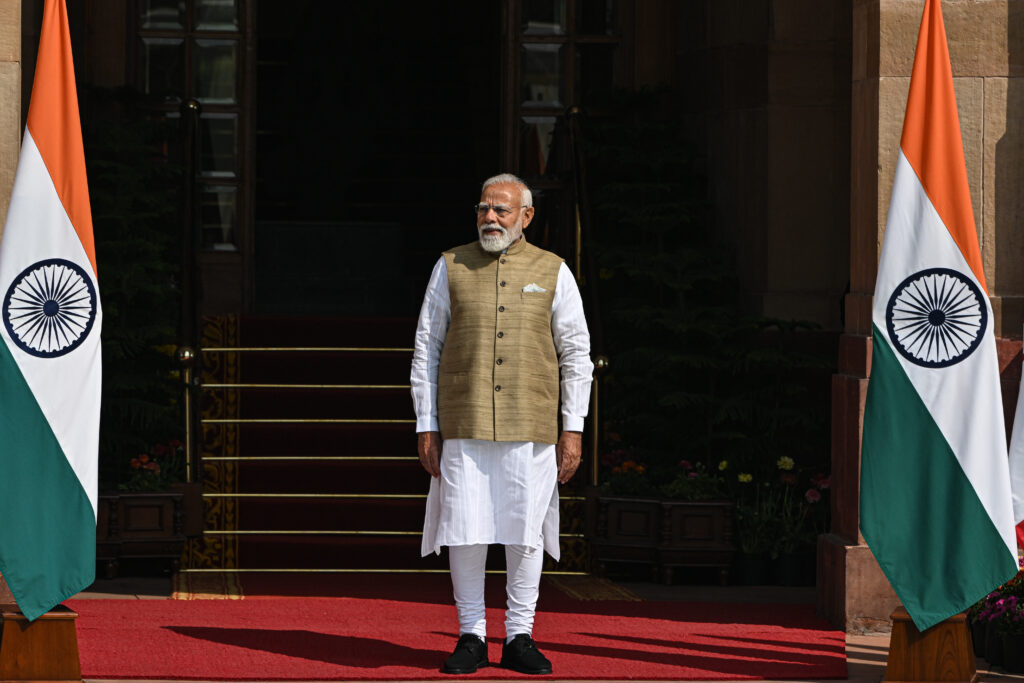
As the world watches the evolving dynamics of global politics, the anticipated meeting between Indian Prime Minister Narendra Modi and US President Donald Trump at the upcoming Group of Seven (G-7) summit promises to be a pivotal moment. Scheduled to take place from June 15 to 17 in Évian-les-Bains, France, this encounter will mark the first in-person engagement between the two leaders since tensions over Pakistan escalated last year. With the backdrop of ongoing geopolitical challenges, including conflicts in Iran and fluctuations in trade relations, the implications of this meeting extend far beyond the two nations.
The G-7 summit is an annual gathering of the leaders of seven of the world’s largest advanced economies. While the formal agenda typically centers around economic growth, climate change, and global security, the bilateral meetings that occur on its margins often address pressing issues that are not only pertinent to the countries involved but also to the international community at large. The anticipated Modi-Trump meeting reflects a critical juncture as both leaders seek to navigate complex relationships and address mutual concerns.
In recent months, there has been a concerted effort from both sides to mend the frayed ties that have characterized their relationship. Modi and Trump have engaged in multiple phone conversations, demonstrating a willingness to rebuild their rapport after a series of diplomatic missteps. The backdrop of this meeting includes the fallout from military skirmishes between India and Pakistan, a situation that Trump has claimed to have influenced positively, although India has characterized these assertions differently. Furthermore, trade relations have been strained, particularly after the imposition of steep tariffs on Indian goods by the Trump administration, a move that New Delhi viewed as a punitive measure against its economic policies.
Key points surrounding this meeting include the ongoing tensions in Iran, which have resulted in renewed hostilities and complications for US foreign policy. The recent US military action against a commercial vessel off the coast of Oman has raised alarms in New Delhi, especially with the reported disappearance of several Indian crew members. India’s Ministry of External Affairs has taken a firm stance, condemning the US actions and summoning diplomatic representatives, thereby illustrating the delicate balance of international relations that Modi must navigate in his discussions with Trump.
Despite the challenges, there are signs of optimism. Trump has publicly praised Modi, recognizing his leadership and tenure, which underscores a desire to foster stronger bilateral ties. In response, Modi has expressed his commitment to advancing the India-US Comprehensive Global Strategic Partnership, emphasizing collaborative efforts that could benefit both nations and the broader global community. This partnership is particularly significant as both countries face common threats, including terrorism and climate change, which necessitate a united front.
For traders and investors, the outcome of the Modi-Trump meeting could have significant implications for market dynamics. Traditionally, strong diplomatic ties between India and the United States have led to increased foreign direct investment and trade opportunities. Investors will be closely monitoring any announcements regarding trade agreements or economic partnerships that may arise from this meeting. A renewed commitment to lowering trade barriers or enhancing cooperation in sectors like technology and defense could signal a positive trajectory for Indian markets. Conversely, any signs of unresolved tensions could lead to market volatility, particularly in sectors sensitive to international trade policies.
As we approach the G-7 summit, it is essential to consider the broader implications of the Modi-Trump meeting. The evolution of India-US relations is not merely a bilateral issue; it has ramifications for global economic stability, security alliances, and geopolitical strategies. As both leaders seek to address their respective domestic and international challenges, the focus will be on finding common ground that fosters cooperation rather than conflict.
In conclusion, the upcoming meeting between Narendra Modi and Donald Trump at the G-7 summit represents a significant opportunity for both leaders to reset their relationship. As they navigate complex geopolitical landscapes, the potential for collaboration in trade, security, and global governance remains a priority. For investors and traders, the developments from this meeting could provide insights into the future trajectory of India-US relations and shape market expectations. As the world anticipates this high-stakes engagement, the outcomes may well define the next chapter in the evolving narrative of international diplomacy.