
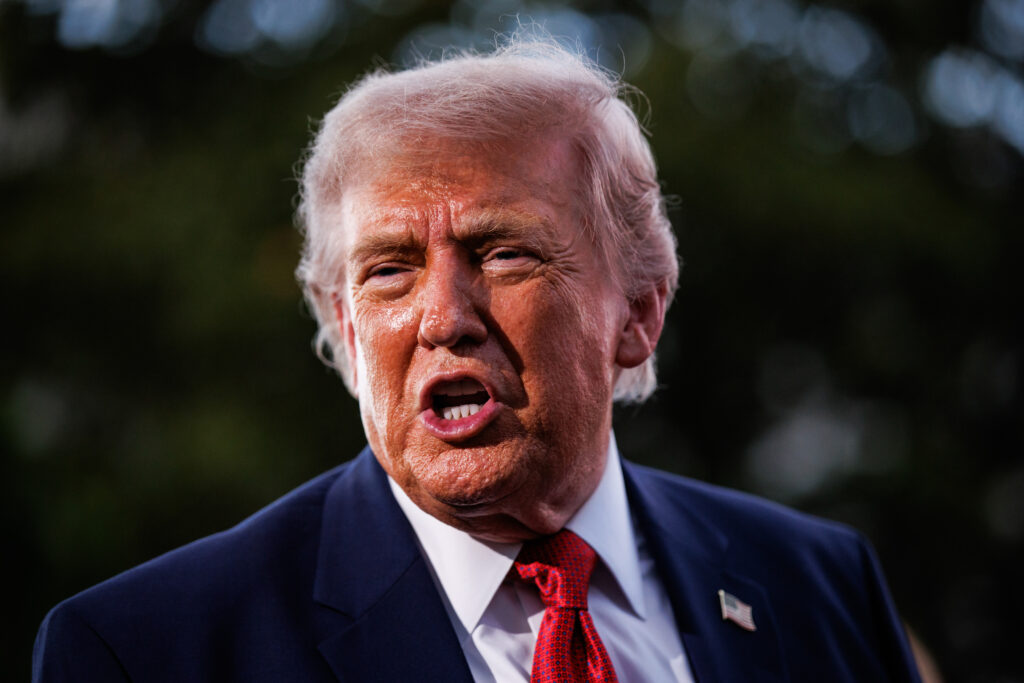
In a notable clash between media freedom and political power, former President Donald Trump’s $10 billion defamation lawsuit against The Wall Street Journal is once again in the spotlight. The case, centered on an article discussing Trump’s alleged ties to the controversial financier Jeffrey Epstein, highlights the complexities surrounding defamation law, especially when public figures are involved. As the legal proceedings unfold, they not only reflect on Trump’s personal grievances but also raise broader questions about the relationship between the press and those in power.
The lawsuit stems from a July 2025 article that described a supposed birthday note Trump sent to Epstein, which allegedly contained inappropriate imagery and a signature placed in a questionable location. Trump has vehemently denied the authenticity of the note, claiming it is fabricated. However, the crux of the legal battle lies not only in the content of the article but also in the legal standards that govern defamation claims, particularly for public figures like Trump.
Defamation law is designed to protect individuals from false statements that can harm their reputation. However, for public figures, the bar is set significantly higher. They must prove “actual malice,” meaning that the statement was published with knowledge of its falsehood or with reckless disregard for the truth. This requirement stems from a landmark Supreme Court decision aimed at preserving free speech and the press’s right to report on matters of public interest.
In Trump’s case, his initial lawsuit against The Wall Street Journal was dismissed in April due to insufficient evidence to meet this high threshold. The judge’s ruling underscored that Trump had ample opportunity to substantiate his claims but failed to do so effectively. Trump’s legal team later filed a revised complaint, which the Journal has characterized as lacking substantial improvements. The Journal argues that the new filing continues to fall short in demonstrating how the article could be deemed defamatory, reinforcing their stance that the lawsuit is without merit.
In a recent filing in Miami federal court, The Wall Street Journal, along with its parent company News Corp and Rupert Murdoch, requested the court to dismiss the case “with prejudice.” This legal term implies that Trump would be barred from re-filing the same claim, effectively putting an end to the litigation. The Journal’s lawyers have also sought reimbursement for their legal expenses, arguing that the lawsuit represents an attempt by Trump to use his status to silence criticism from the media.
Key points to note in this ongoing legal saga include the implications for media rights and free speech. The Journal’s defense hinges on the principle that robust free-speech protections are essential for democracy and societal discourse. They emphasize that allowing such a lawsuit to proceed could set a dangerous precedent, potentially chilling journalistic endeavors to report on public figures and issues of significant public concern.
For traders and investors, this case could serve as a reminder of the potential risks associated with political figures and their interactions with the media. The outcome of this lawsuit may not only influence Trump’s public persona but could also impact the stock value of companies involved in media and communications. Investors often keep a close eye on the legal battles of prominent figures, as reputational damage can have far-reaching consequences on business operations and market perceptions.
As the legal proceedings continue, it is crucial to monitor the developments closely, especially as they may affect public sentiment and media relations in the future. The intersection of media freedom and political power remains a contentious battleground, and the resolution of this case could help set a precedent for how similar disputes are handled in the future.
In conclusion, the $10 billion defamation lawsuit filed by Donald Trump against The Wall Street Journal exemplifies the ongoing tensions between public figures and the media. While Trump seeks to defend his reputation, the Journal maintains that their reporting is protected under the First Amendment. As the case unfolds, it will be essential to observe its broader implications for journalistic integrity, political discourse, and the legal landscape surrounding defamation. Ultimately, the outcome may resonate beyond the courtroom, potentially influencing how public figures engage with the media and how journalists navigate the complexities of reporting on powerful individuals.