
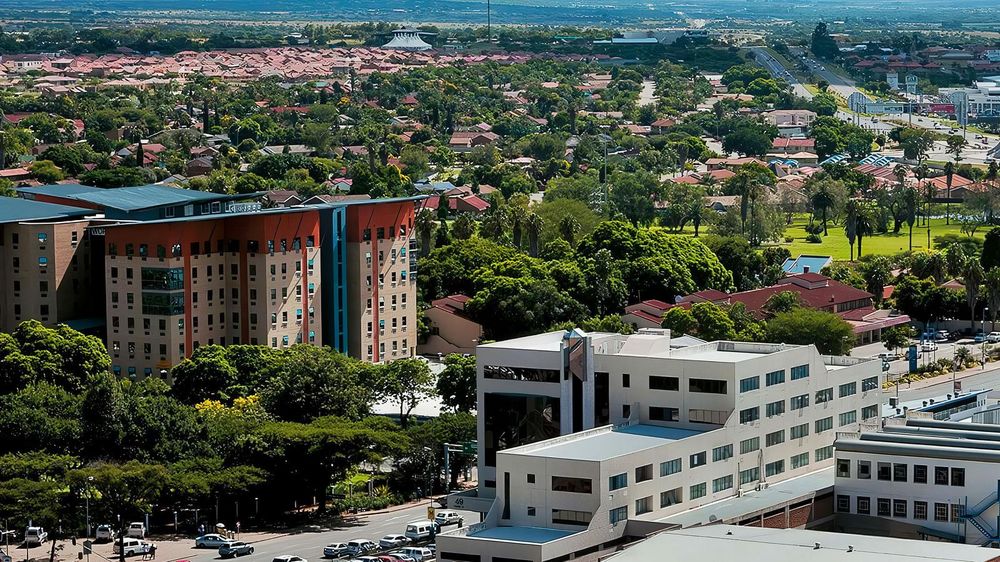
In a surprising twist in South Africa’s real estate landscape, Limpopo has emerged as an unexpected champion in residential property appreciation. Recent data from Statistics South Africa has revealed that house prices across the nation experienced an average increase of 7.8% over the year leading up to January 2026. However, it is Limpopo, Mpumalanga, and the Northern Cape that have outperformed traditional property hotspots like Cape Town and Johannesburg in this remarkable growth story. This blog post delves into the nuances of the property market, examining the factors that have contributed to these emerging trends and what they might mean for investors and homeowners alike.
At first glance, the statistics paint a compelling picture of a shifting property market. The standout performer, Limpopo, saw its house prices soar by an astonishing 18.5% over the past year. This growth places it at the forefront of South Africa’s residential property market, a position one might typically expect from more established areas like the Western Cape. Interestingly, while Limpopo achieved the highest percentage increase, the Western Cape remains the heavyweight champion in terms of overall value. With an average home price hovering around R2.3 million, homeowners in Cape Town added approximately R253,000 to their net worth in just one year, showcasing the significant financial rewards associated with investing in this region.
The data also highlights other provinces that are quietly outperforming major metropolitan areas. The Northern Cape and Mpumalanga recorded notable house price increases of 10.8% and 10.7%, respectively. These figures stand in stark contrast to Gauteng’s more modest growth of 4.5% and the Eastern Cape’s 3.2%. This trend suggests a growing diversification in property investment opportunities beyond the well-trodden paths of Cape Town and Johannesburg, offering potential new avenues for savvy investors looking to maximize returns.
One of the critical takeaways from this data is the divergence in performance across different segments of the housing market. Properties being sold for the first time saw a meager growth rate of just 2.0%, while resold properties experienced a more robust increase of 7.6%. This indicates that existing homeowners are reaping the benefits of the market’s recovery far more than new buyers. For those entering the market for the first time, the challenges are compounded by limited appreciation, which may hinder their ability to build equity quickly.
As the property market evolves, the implications for traders and investors become increasingly significant. The trend of rising property prices in non-traditional areas like Limpopo and Mpumalanga could signal a shift in where people choose to invest. Investors may find opportunities in these provinces, which not only offer strong returns but also potentially lower entry costs compared to more established markets. This could lead to a diversification of investment portfolios, as property buyers seek to capitalize on the growing appreciation in these regions.
For those considering investments in the residential property market, it’s essential to conduct thorough research and understand the local dynamics at play. Areas like Limpopo may provide attractive returns, but it’s crucial to consider factors such as economic stability, infrastructure development, and future growth potential. Investors should also be aware of the challenges that come with emerging markets, including potential volatility and the need for a more hands-on management approach.
In conclusion, the recent data from Statistics South Africa reveals a fascinating shift in the South African residential property market. Limpopo’s remarkable growth serves as a reminder that lucrative investment opportunities can exist outside the traditional hotspots. For homeowners and investors alike, understanding these emerging trends is crucial for making informed decisions in an increasingly dynamic marketplace. As the landscape continues to evolve, keeping an eye on both established and emerging markets will be key to unlocking the full potential of property investments in South Africa.