
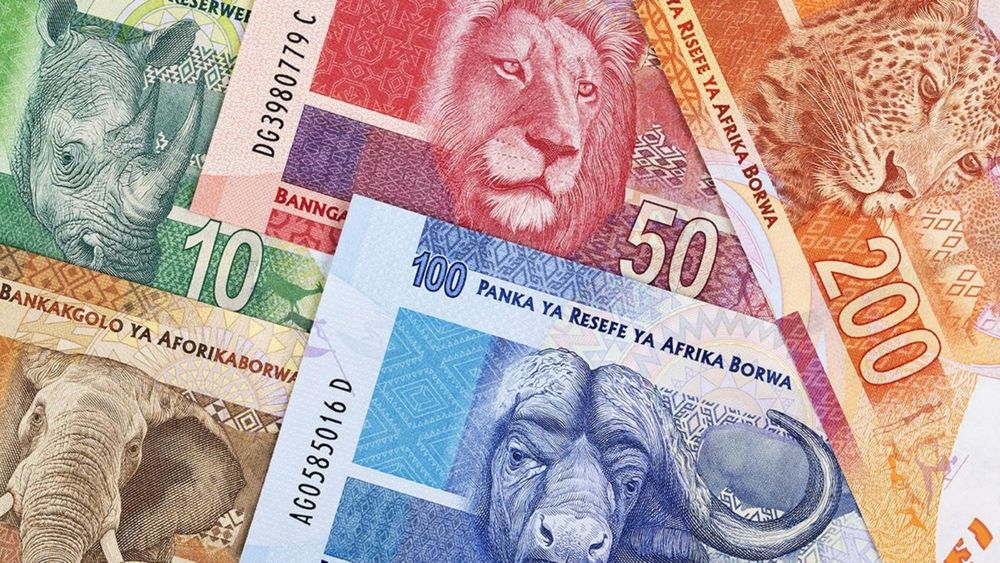
In recent months, South Africa has been navigating a challenging economic landscape characterized by rising inflation and global uncertainties. The South African Reserve Bank (SARB) has taken decisive measures to address these issues, most notably by increasing the repo rate by 25 basis points, bringing it to 7.00%. This decision, which will likely see banks raise their prime lending rates to 10.50%, reflects the central bank’s commitment to maintaining its newly established inflation target of 3%. While this hike may seem like a burden for borrowers, it also presents unique opportunities for savers.
Understanding the Context of the Rate Hike
The backdrop for this interest rate increase is a mix of domestic and international pressures. Recent data revealed that South Africa’s Consumer Price Index (CPI) surged to 4% in April, marking the highest level in 19 months. This spike primarily stemmed from soaring fuel prices, a consequence of global supply chain disruptions. In light of such inflationary pressures, the Monetary Policy Committee (MPC) recognized the necessity to act. Their mandate is not merely to respond to immediate economic shocks but to prevent inflation expectations from becoming ingrained in broader economic behaviors, such as wage growth and rental prices.
This rate hike represents a critical juncture for the SARB, as it seeks to validate its updated inflation-targeting framework. Governor Lesetja Kganyago has signaled that the 3% target is not a mere guideline but a definitive threshold. By taking proactive steps, the SARB aims to avert the risk of inflation spiraling out of control, which would necessitate even more aggressive rate hikes in the future.
Key Points to Consider
For consumers, the immediate effects of a 25 basis point increase might not seem catastrophic at first glance. However, for heavily indebted households, even small increments in interest rates can lead to significant financial strain. For instance, a vehicle loan of R300,000 will see monthly repayments increase by approximately R37, a manageable amount for many. Yet, the most concerning situation arises within the realm of unsecured lending, particularly credit card debt.
With typical interest rates hovering around 18%, an increase of 25 basis points adds only R6 to the monthly payment on a R30,000 balance. However, the broader narrative reveals a more alarming picture: consumers are already paying around R5,400 annually in interest just to maintain their credit card balance, significantly more than the R3,150 required for a home loan of the same amount. This discrepancy highlights the critical need for borrowers to manage their debts judiciously, especially as borrowing costs rise.
The Unexpected Upside for Savers
While the focus often rests on the implications for borrowers, the interest rate hike carries potential benefits for savers. Higher interest rates serve as a “tax on debt,” but they also create a “dividend on discipline” for those who prioritize saving. For South African savers—particularly retirees and individuals maintaining emergency funds—this environment offers some of the most attractive real cash returns witnessed in emerging markets.
As borrowing costs escalate, consumers may find themselves reevaluating their savings and investment strategies. Those with excess cash or short-term savings goals can take advantage of higher interest rates to bolster their financial positions. Money market accounts and income products are becoming increasingly viable options for those looking to maximize returns on their savings.
Insights for Traders and Investors
For traders and investors, the current interest rate landscape presents both challenges and opportunities. The tightening of monetary policy could lead to increased volatility in financial markets as investors adjust their expectations. Those holding equities may need to brace for potential declines in share prices as borrowing costs rise and consumer spending slows down. Conversely, fixed-income investors may find attractive opportunities in government bonds and interest-bearing instruments, as yields improve in a higher interest rate environment.
Conclusion
The recent interest rate hike by the SARB epitomizes the delicate balance central banks must strike between curbing inflation and supporting economic growth. While the immediate effects may seem burdensome for borrowers, savers have a unique opportunity to capitalize on higher returns. As South Africans navigate these changes, it is crucial to remain vigilant, reassessing financial strategies and debt management approaches to weather the evolving economic landscape successfully. By doing so, individuals can position themselves to not only survive but thrive in this challenging financial climate.