
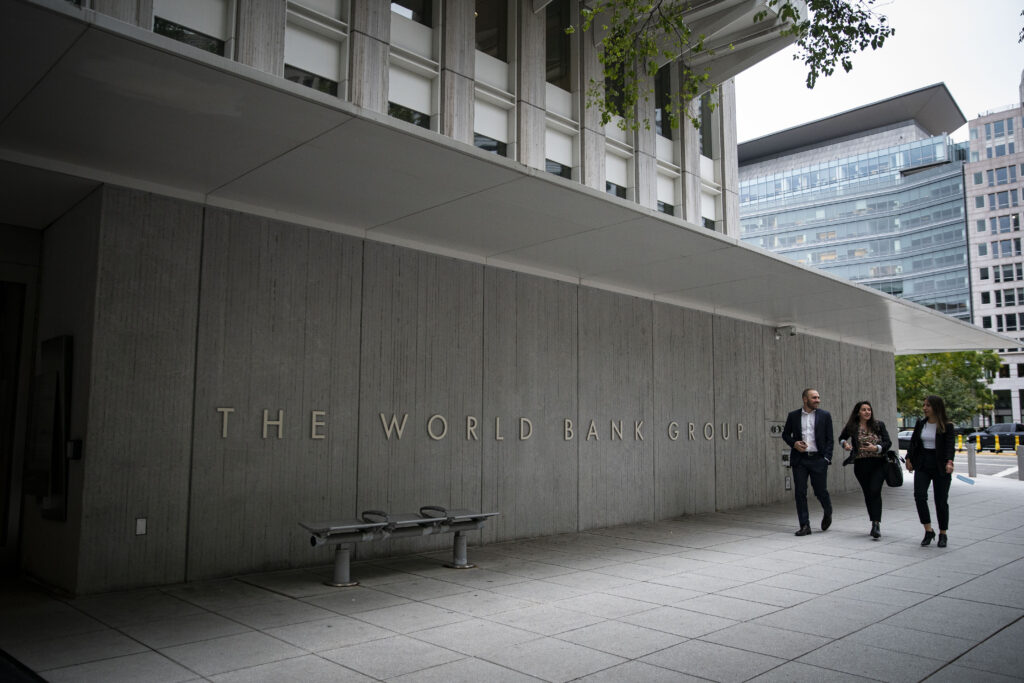
The global economy is currently facing significant headwinds, with the World Bank recently revising its growth outlook for the year. As geopolitical tensions flare, particularly in the Middle East, and commodity prices surge, many nations are grappling with the consequences. This blog explores the implications of the World Bank’s latest report, which highlights the challenges ahead and what it means for investors and traders alike.
In its latest report, the World Bank has projected a modest global growth rate of 2.5% for 2026, a slight decrease from its earlier forecast of 2.6%. This downward revision reflects a broader trend of economic deterioration, with two-thirds of economies experiencing a decline in their growth prospects. The ongoing conflict in the Middle East, particularly following recent military actions, has disrupted vital commodity flows, leading to increased import costs and mounting inflationary pressures.
One of the most pressing issues highlighted by the World Bank is the surge in energy prices, which has been exacerbated by recent geopolitical events. Specifically, Brent crude oil prices are expected to average $94 per barrel this year, a staggering 50% increase from earlier projections. Chief Economist Indermit Gill noted that this situation represents the most significant supply shock in over half a century. The implications of such price hikes extend beyond energy, as they are likely to affect food prices as well should the conflict continue.
The World Bank’s outlook includes a warning sign for global growth, indicating that it could plummet to as low as 1.3% if energy supply disruptions worsen and lead to financial instability. In contrast, the U.S. economy is expected to maintain a growth rate of 2.2%, while China’s growth forecast has been slightly downgraded from 4.4% to 4.2%. Additionally, global headline inflation is projected to rise to 4% this year, with the potential to escalate further if the conflict persists.
Emerging and developing economies are bearing the brunt of these economic shocks. The World Bank points out that, excluding the larger economies of India and China, per-capita incomes in these regions have not only stagnated but are expected to lag further behind their wealthier counterparts until at least 2028. This situation represents nearly a decade of lost income convergence, which could have long-lasting socio-economic repercussions.
Despite these grim forecasts, there remains a glimmer of hope for the future. The report suggests that advancements in artificial intelligence (AI) may play a pivotal role in revitalizing global economic growth in the coming decade. The potential for AI to enhance productivity could help reverse the structural slowdown observed in recent years, paving the way for a “golden era” of job creation and economic expansion. However, the benefits of these advancements are not likely to be evenly distributed; developing economies often struggle with weaker digital infrastructure and a lack of skilled workforce, which could hinder their ability to leverage AI effectively.
In response to the challenging landscape, the World Bank has committed to increasing its support for vulnerable economies impacted by the ongoing conflict in the Middle East. The organization recognizes the urgent need for measures to stabilize these regions and mitigate the risks associated with rising commodity prices.
For traders and investors, the current economic climate presents both challenges and opportunities. Understanding the nuanced effects of geopolitical tensions on commodity markets is crucial for making informed investment decisions. The spike in energy prices can create volatility, providing potential trading opportunities for those adept at navigating the markets. Conversely, investors should remain cautious, as the risks of economic downturns and inflation may create a turbulent environment.
In conclusion, the World Bank’s revised global growth outlook serves as a stark reminder of the fragility of the current economic landscape. As geopolitical tensions escalate and inflationary pressures mount, both developed and developing economies will face unique challenges. While there are reasons to remain optimistic about the future, particularly with the potential of AI, the path forward will require careful navigation and strategic foresight. Investors and traders must remain vigilant, adapting to an ever-changing global economy while seeking to capitalize on emerging opportunities amidst uncertainty.