
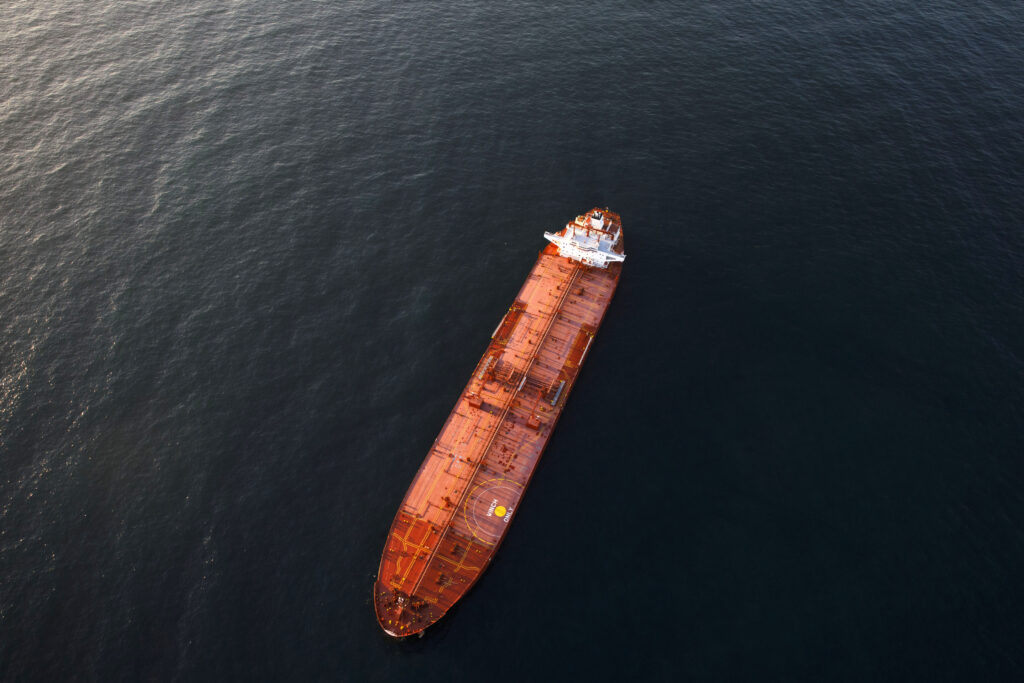
The Strait of Hormuz is often referred to as a vital artery for global oil supply, and recent developments have highlighted its importance like never before. In June, oil flows through this crucial waterway surged dramatically, with reports indicating a significant increase in non-Iranian oil exports. This uptick not only underscores the geopolitical tensions in the region but also raises pertinent questions about the stability of oil prices and the global energy market’s dynamics.
As tensions between the United States and Iran continue to escalate, the implications for oil supply and pricing are profound. According to Vortexa, a data analytics firm specializing in global oil flows, the first ten days of June alone saw an increase in oil exports through the Strait of Hormuz, climbing to approximately 1.8 million barrels per day. This is a stark rise from the 1.2 million barrels per day reported in May, emphasizing the strategic importance of this region as a crucial transit point for oil shipments.
The rise in oil flows is attributed to several factors, including the heightened activity of tankers in the region, which is being monitored through advanced satellite imagery. However, the situation is complicated by the blockade imposed by the U.S. on Iranian oil, resulting in the complete halt of Iranian crude exports. This blockade signifies a growing level of U.S. influence and control over oil movement in the area, raising the stakes for all involved parties.
In response to the surge in non-Iranian oil traffic, Iran has indicated its displeasure by announcing a closure of the Strait of Hormuz until further notice. This declaration, however, did not elicit a strong market reaction, which is noteworthy. Unlike previous instances during heightened hostilities, such as the early days of the Iran-U.S. tensions when oil prices spiked by 13%, current Brent crude futures have remained relatively stable. This muted response could be attributed to several factors, including the ongoing U.S. military efforts to facilitate oil transport through the Strait, which reportedly cleared around 100 million barrels since the onset of the conflict.
Market analysts have observed that the confluence of increased oil exports, a notable drop in Chinese crude imports, and the strategic release of emergency oil reserves have contributed to a significant decline in prices—over 25% from the highs reached during the peak of tensions. The intricacies of the market response to geopolitical events are becoming clearer as traders adapt to the evolving landscape.
One key trend observed in recent days is the shift in shipping practices within the Strait of Hormuz. Xavier Tang, a senior market analyst at Vortexa, pointed out that many vessels are now transiting without using the Automatic Identification System (AIS), a technology that allows ships to broadcast their identity and location. This shift indicates a growing trend of ships opting for discreet transit to evade potential conflicts or blockades. Moreover, vessels are reportedly engaging in cargo transfers outside the Gulf, facilitating oil purchases while minimizing risks associated with the ongoing tensions.
The U.S. has also intensified its military operations in the region, targeting ships suspected of attempting to breach the blockade. This strategic posture not only seeks to curb Iranian oil flows but also reinforces the U.S. commitment to maintaining control over transit routes. Such actions have included disabling vessels in the Gulf of Oman that were attempting to enter Iranian ports, highlighting the ongoing hostilities and the complex interplay between military and economic strategies.
For traders and investors, the current environment presents both challenges and opportunities. The rising oil flows through the Strait of Hormuz, coupled with U.S. military actions, create a volatile backdrop for oil prices. Investors need to remain vigilant and adaptable, keeping a close eye on geopolitical developments that could impact supply chains and market stability.
In conclusion, the Strait of Hormuz remains a focal point of geopolitical tension and economic significance. With oil flows surging amid U.S.-Iran tensions, market participants must navigate a landscape characterized by uncertainty and opportunity. As the situation evolves, understanding the underlying dynamics will be crucial for making informed investment decisions in the energy sector. The interplay of military strategy, economic policy, and global oil supply will continue to shape the future of oil markets, making it essential for stakeholders to stay informed and agile.