
In recent years, the global oil market has been anything but stable, with geopolitical tensions and other external factors leading to significant fluctuations in fuel prices. While many people tend to focus on how these changes impact gasoline prices at the pump, a deeper analysis reveals that diesel prices can have a far more profound effect on the economy, particularly in a country like South Africa. This blog post delves into the underlying issues associated with rising diesel costs, how they affect various sectors, and what this means for both traders and investors.
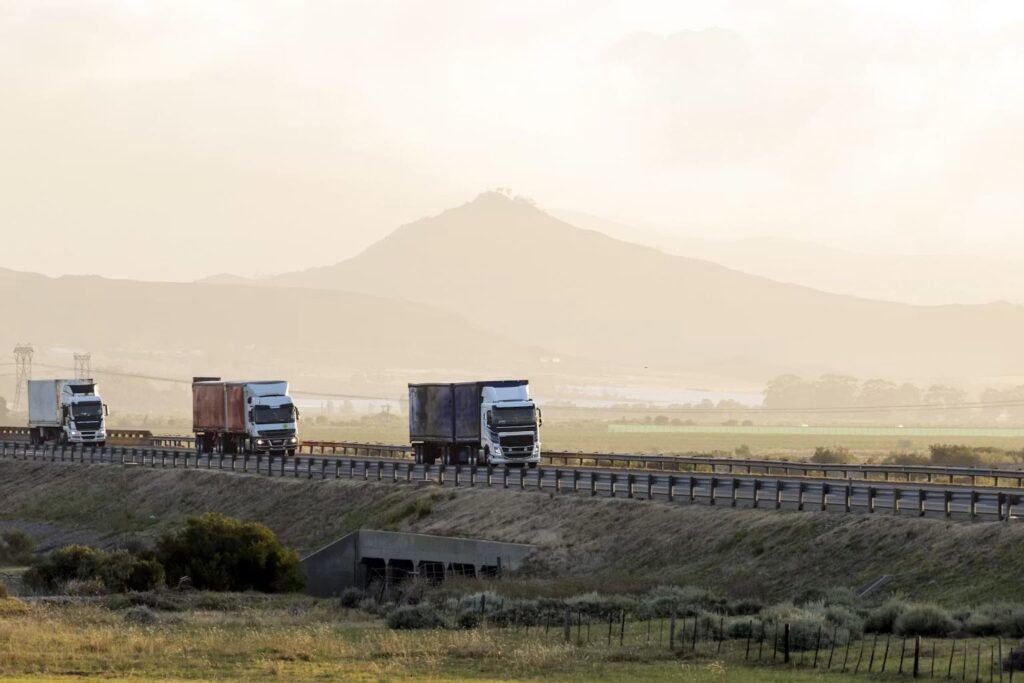
To understand the economic implications of rising diesel prices, it is essential to recognize the critical role that diesel plays in the South African economy. Unlike petrol, which is primarily used for personal vehicles, diesel fuels essential sectors such as freight transportation, agriculture, mining, and various industrial operations. As a result, any increase in diesel prices sends ripples through the entire economy, affecting everything from the cost of goods to inflation rates.
Recent analyses conducted by the Bureau for Economic Research have illuminated the staggering impact of diesel price hikes. For instance, in the second quarter of 2026, diesel prices surged nearly 60% compared to the same period in 2025, while petrol prices only rose by about 25%. This disparity is alarming, particularly when considering that these rising costs are not just a burden for consumers at the gas station. Instead, they translate into increased logistics expenses, higher food distribution costs, and elevated operational expenses for industries reliant on diesel-powered machinery and vehicles.
The implications of this trend are significant. Estimates suggest that the additional fuel costs due to rising prices could reach around R45 billion (approximately US$2.7 billion), constituting over 2% of the country’s quarterly GDP expenditure. Nearly 70% of this increased expense would stem from diesel, highlighting its crucial position in the economic landscape. As logistics and transportation costs soar, businesses will likely pass these expenses onto consumers, further exacerbating inflationary pressures and impacting household budgets.
Key takeaways from this analysis indicate that the South African economy must prioritize the stabilization and improvement of its foundational structures. The reliance on diesel has grown markedly over the past two decades, with diesel now accounting for nearly half of the country’s total fuel consumption. In 2005, petrol dominated the market, but changing consumer preferences and the increasing prevalence of diesel vehicles have shifted this balance. Understanding this shift is vital for stakeholders across various industries, as it underscores the importance of adapting to changing energy consumption patterns.
For traders and investors, the implications of rising diesel prices are profound. Industries that depend heavily on diesel, such as logistics and agriculture, may face squeezed profit margins as costs rise. Investors should pay close attention to companies in these sectors, as their stock prices may react negatively to increased operational costs. Conversely, businesses with the ability to pass on these costs to consumers or that operate more efficiently may emerge as potential winners in this challenging environment.
Moreover, the current situation serves as a crucial reminder for South Africa to bolster its economic resilience against external shocks. Strengthening infrastructure, investing in alternative energy sources, and developing more efficient logistics systems can better position the country to handle future fuel price fluctuations. The lesson is clear: as global dynamics shift and oil markets remain volatile, countries that proactively manage their energy dependencies will fare better in the long run.
In conclusion, the rising cost of diesel is not merely a nuisance for consumers filling up their vehicles; it represents a broader systemic issue that threatens to impact the entire South African economy. By understanding the significance of diesel in the economic framework and its cascading effects on various sectors, both traders and investors can make more informed decisions. The key takeaway is that addressing these underlying issues and adapting to changing consumption patterns will be crucial for achieving sustainable economic growth in the face of external challenges.