
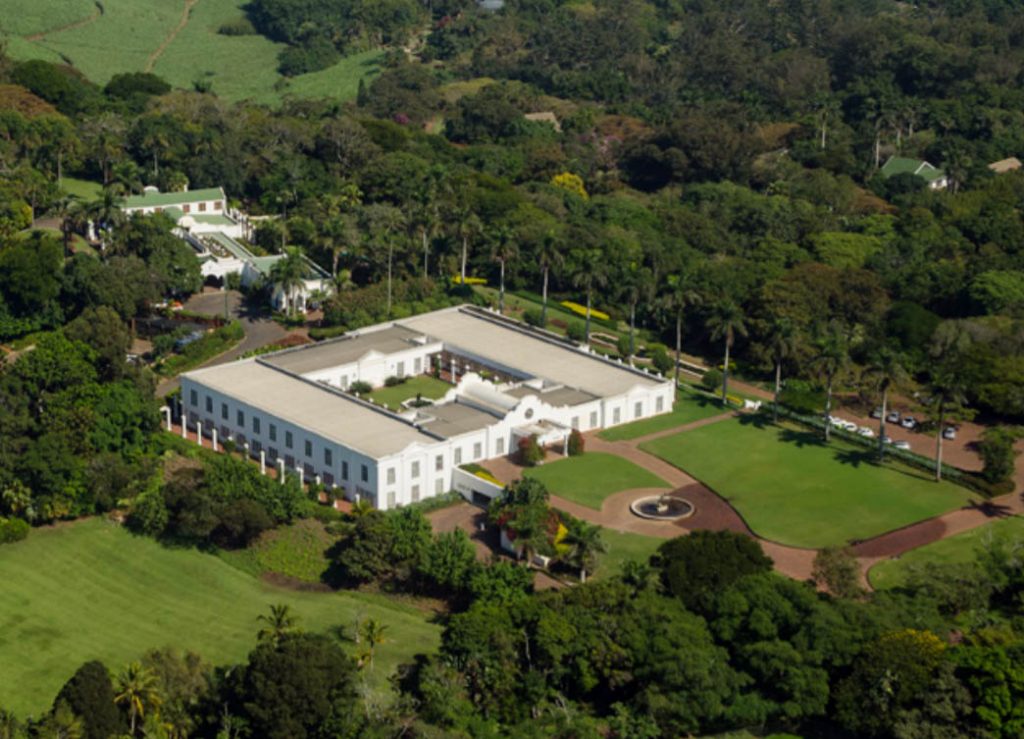
In the coming days, the fate of Tongaat Hulett, a prominent player in the sugar industry, hangs in the balance as a pivotal court hearing is set to take place in Durban. The outcome of this legal battle could have far-reaching implications not only for the company itself but also for thousands of farmers, workers, and communities reliant on its operations. As stakeholders prepare to present their arguments regarding the potential liquidation of the company, the stakes have never been higher.
Tongaat Hulett, once a flourishing entity in South Africa’s sugar sector, is facing unprecedented challenges that have culminated in its current precarious situation. The looming court proceedings will explore the merits of a provisional liquidation, a move that could effectively cease operations at the company’s mills and disrupt the supply chain for millions of tons of sugarcane produced by local growers. The South African Canegrowers Association has voiced strong concerns over what a liquidation would mean for the industry and the broader economy, emphasizing the potential loss of livelihoods for tens of thousands of workers and the destabilization of entire communities that depend on the sugar value chain.
The implications of Tongaat Hulett’s potential liquidation extend beyond immediate job losses. According to Higgins Mdluli, the chair of the South African Canegrowers Association, the production of approximately 4.6 million tonnes of raw sugarcane could be at risk. This staggering figure highlights the vulnerability of small-scale growers who would lose their primary market for cane supply. The ripple effect would be felt throughout the economy, impacting secondary businesses such as transport services, fuel suppliers, restaurants, and retail establishments that rely on the income generated by the sugar industry.
In light of this crisis, a “grower-led group” named GrowerCo has emerged as a potential solution. This group has proposed a collaborative ownership model that would allow industry participants, including small-scale growers, to own a stake in Tongaat Hulett. The concept is that these growers would not only earn returns based on their sugarcane supply but also have a stake in the company’s equity growth over time. Although this proposal aims to empower local farmers and create a more sustainable business model, it has faced skepticism from the business rescue practitioners currently overseeing Tongaat’s operations, who have not shown strong support for this alternative.
The current management, known as the business rescue practitioners (BRPs), has been navigating a tough landscape since the company entered business rescue in October 2022. In January 2024, the only rescue plan put forth to creditors came from the Vision Group, which, having previously acquired the debts of the lender group, became the controlling creditor in the process. The Vision Group’s plan has raised concerns due to its reliance on additional funding from the Industrial Development Corporation (IDC) and the need for significant reforms within the sugar industry.
The BRPs have criticized the Vision Group’s approach, claiming that it has made the recovery process more complicated by demanding changes and extra funding, which has ultimately strained the prospects for a successful turnaround. As the deadline for critical funding approaches, the IDC has agreed to increase its financial support, albeit under tight conditions that must be met before mills can reopen for the upcoming milling season. However, the BRPs remain unconvinced about the viability of any proposed rescue plans, citing a lack of feasible alternatives beyond the Vision Group’s efforts.
For traders and investors keeping an eye on the situation, the developments surrounding Tongaat Hulett serve as a cautionary tale about the complexities of corporate restructuring and the inherent risks associated with investing in distressed assets. The potential for liquidation poses a significant risk not only to equity holders but also to the wider agricultural sector, which is already grappling with numerous challenges, including fluctuating commodity prices and changing regulatory landscapes.
In conclusion, the upcoming court proceedings for Tongaat Hulett represent a critical juncture not only for the company but also for the broader South African sugar industry. The decisions made in the courtroom will have lasting effects on growers, workers, and communities, underscoring the interconnectedness of agriculture and socioeconomic stability. Stakeholders must engage in constructive dialogue and explore innovative solutions that can provide a pathway for recovery, ensuring that the legacy of Tongaat Hulett is not one of failure but of resilience and renewal in the face of adversity. The next few days will undoubtedly shape the future of this vital industry for years to come.