
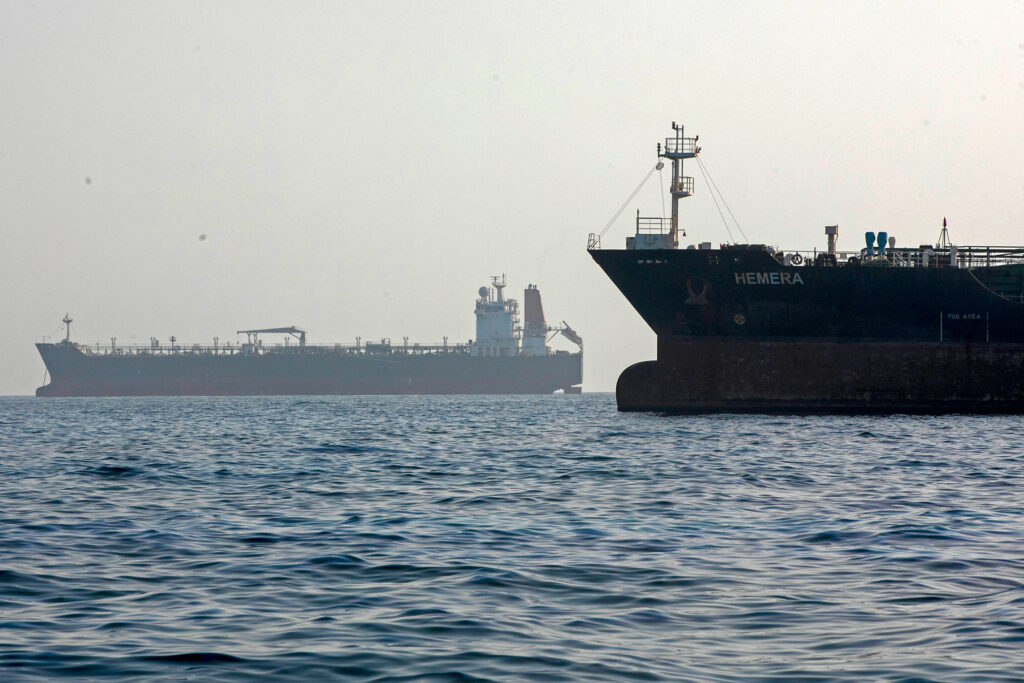
The Strait of Hormuz has always been a critical artery for global oil trade, and recent developments in the region are bringing this waterway back into the spotlight. As geopolitical tensions simmer between Iran and the United States, non-Iranian oil shipments have surged significantly, marking a notable shift in the dynamics of oil transportation in the Persian Gulf. This blog post delves into the implications of these changes, the current state of oil flows, and what traders and investors should consider moving forward.
In the first ten days of June, non-Iranian oil transit through the Strait of Hormuz soared to approximately 1.8 million barrels per day, a sharp increase from the 1.2 million barrels per day recorded in May. This surge is particularly remarkable given the backdrop of escalating tensions following military actions and political maneuvering between the U.S. and Iran. Analysts from Vortexa, a prominent data analytics firm, have noted that such figures may be revised upward as satellite imagery continues to reveal more tanker movements. The situation is complex; while non-Iranian shipments are on the rise, Iranian oil exports have dramatically declined due to strict U.S. sanctions and blockades that have effectively stifled Tehran’s ability to navigate the Strait.
The Strait of Hormuz has been a focal point of geopolitical strife, especially since the onset of military actions between Iran and its adversaries. Since late February, when the conflict escalated, the Iranian government has attempted to exert control over this vital corridor. However, their grip appears to be weakening as “dark” transits—ship movements without Automatic Identification System (AIS) signals—become increasingly common. This trend indicates a shift in how oil traders are adapting to the risks associated with navigating this contentious waterway.
One critical observation is that while the volume of oil transiting through the Strait is increasing, it remains a far cry from the pre-war levels of about 20 million barrels per day. This discrepancy suggests that, even as non-Iranian producers find ways to maneuver through the Strait, the overall oil supply chain remains under strain. For instance, Brent crude futures have shown relative stability, even in the face of Iranian threats to close the waterway. This stability contrasts sharply with earlier predictions that a closure would lead to significant price spikes, highlighting a possible shift in market perception regarding the reliability of oil flows through Hormuz.
Several factors have contributed to the current state of the oil market. The substantial increase in oil transits coincides with a notable drop in Chinese crude imports and strategic releases from emergency reserves, which have collectively driven down oil prices. The market has adjusted to these developments, with traders now more focused on the potential for sustained flows of oil rather than reacting impulsively to geopolitical threats.
From an investor’s perspective, the situation presents both opportunities and risks. The ongoing conflict between the U.S. and Iran raises critical questions about the future of oil transportation and pricing. Those monitoring the situation should pay close attention to the actions of the U.S. military, which has recently intensified its operations against vessels suspected of attempting to breach Iranian port blockades. The U.S. Central Command has reported disabling multiple vessels in the Gulf of Oman, indicating a serious commitment to controlling shipping lanes.
Key takeaways from this evolving situation include the importance of geopolitical awareness for traders and investors operating in oil markets. The ability to navigate market trends while considering external political factors will be crucial for making informed decisions. Moreover, as the oil market adjusts to these new norms, stakeholders must remain vigilant regarding potential shifts in supply and demand dynamics.
In conclusion, the surge in non-Iranian oil flows through the Strait of Hormuz amidst ongoing tensions offers a multifaceted perspective on the state of global oil trade. While the increase in transit volumes is encouraging, the overall market remains fragile, with significant uncertainties looming on the horizon. Traders and investors would do well to keep a close watch on developments in this strategic region, as the interplay between politics and oil logistics continues to shape the future of energy markets worldwide. Understanding these dynamics will be essential for capitalizing on opportunities and mitigating risks in an increasingly volatile environment.