
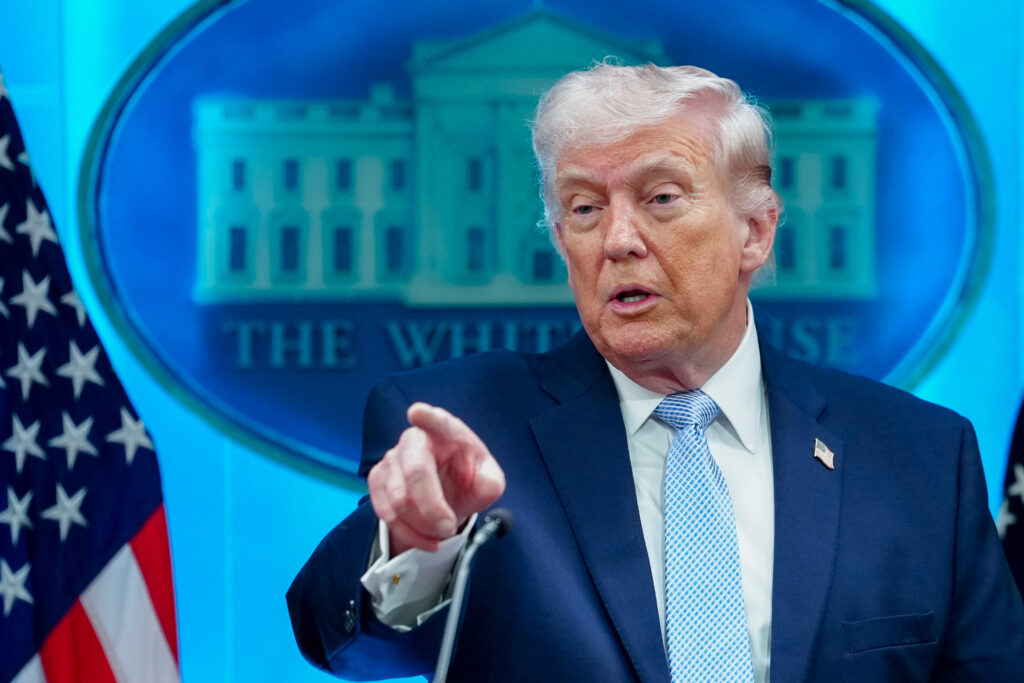
In recent weeks, the geopolitical landscape has been marked by escalating tensions between the United States and Iran, culminating in President Donald Trump’s dramatic announcement that military strikes against Iran were no longer on the table. This unexpected pivot has left investors and analysts scrambling to interpret the implications for global markets, particularly in the oil sector, as well as the broader economic consequences. As we unpack the nuances of this situation, it is essential to grasp how international diplomacy can influence financial markets and investor sentiment.
The backdrop of this unfolding drama involves a series of military strikes and threats that had characterized US-Iran relations for months. President Trump initially indicated a willingness to engage in military action against Iran, threatening significant repercussions that could impact the Islamic Republic’s oil infrastructure. Following two days of airstrikes, Trump’s rhetoric seemed to escalate further, suggesting that the US would continue to take strong action. However, within hours, the narrative shifted dramatically as the president announced via social media that the strikes were no longer imminent, hinting instead at a potential diplomatic breakthrough.
Trump’s announcement raised eyebrows not only for its abruptness but also for its implications. He claimed that a deal with Iran was on the verge of completion, with discussions reportedly centered around the cessation of hostilities and the reopening of key shipping routes in the Strait of Hormuz. This strategic waterway is critical for global oil transport, and any disruption can reverberate through energy markets worldwide. The president described the potential agreement as a “very strong memorandum of understanding,” which would outline commitments from Iran regarding its nuclear ambitions, further adding complexity to ongoing negotiations.
Despite Trump’s optimistic portrayal of the situation, reports from Iranian officials suggested that no agreement had yet been reached, revealing a disconnect between US and Iranian narratives. The memorandum of understanding aimed to extend a ceasefire and provide Iran with sanctions relief contingent upon compliance with the terms of the deal. In exchange, the US would lift its naval blockade, allowing for a resumption of trade and diplomacy while continuing to address the contentious issue of Iran’s nuclear program.
The immediate market reaction to Trump’s shifting stance was noteworthy. Oil prices experienced a decline, with Brent crude dipping approximately 1.3% to around $89 per barrel. Conversely, stock markets rebounded, with the MSCI Asia Pacific equities index experiencing its most significant increase in two months. This divergence in market activity underscores the interconnectedness of geopolitical events and economic performance. Investors often respond to geopolitical risk with heightened sensitivity, leading to fluctuations in both commodities and equities based on perceived stability or instability in regions critical to global trade.
Key takeaways from this evolving situation highlight the delicate balance of power and the role of diplomatic efforts in mitigating conflict. The US-Iran relationship has been fraught with complexities, and the ongoing negotiations reflect the challenges of reconciling national security interests with the desire for economic stability. Additionally, the involvement of mediating countries, such as Qatar, illustrates the importance of third-party engagement in facilitating dialogue between adversaries.
For traders and investors, the implications of the current scenario are multifaceted. Those with interests in the energy sector must remain vigilant as the potential for conflict or resolution can significantly impact oil prices and related equities. Furthermore, the volatility in the markets serves as a reminder of the importance of diversification and risk management strategies in uncertain times. Investors should closely monitor developments in diplomatic negotiations, as any breakthrough could lead to swift market adjustments.
In conclusion, the recent developments in US-Iran relations serve as a powerful reminder of how geopolitical events can shape financial landscapes. As the situation continues to evolve, stakeholders must stay informed and agile in their investment strategies. The interplay between diplomacy and market reactions underscores the necessity of understanding global affairs in a world where economic and political landscapes are inextricably linked. As we look ahead, it remains crucial for investors to weigh the potential outcomes of diplomatic negotiations and their implications for both domestic and international markets.