
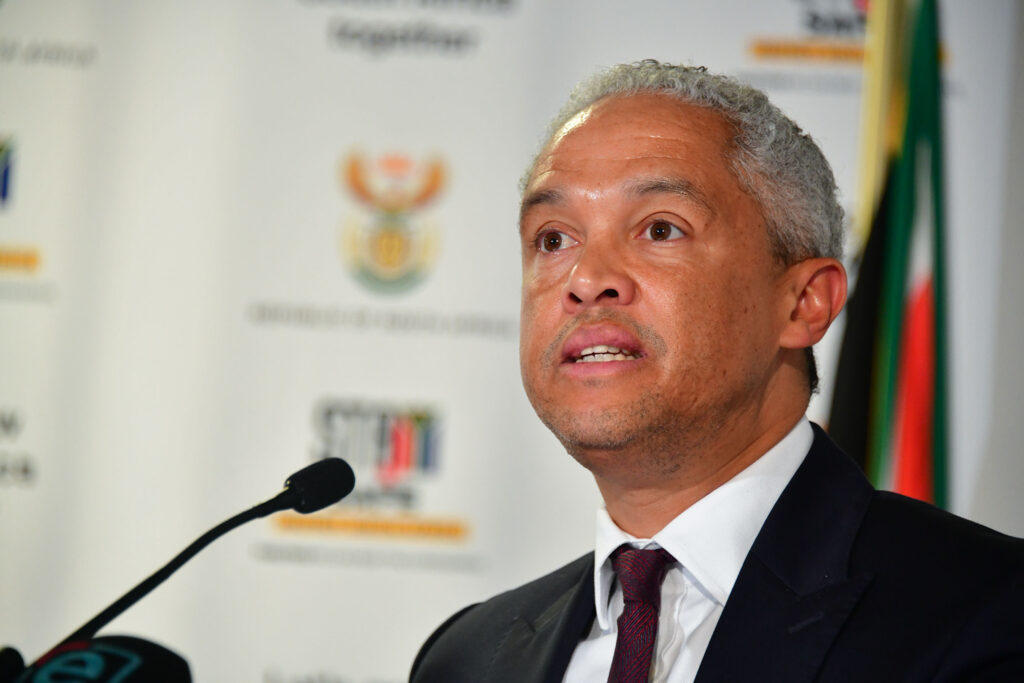
In recent months, South Africa has been making headlines with a significant upgrade in its credit rating, a move that has sparked discussions about the country’s economic trajectory and the potential for regaining its investment-grade status. The National Treasury’s chief, Duncan Pieterse, has emphasized that this upgrade reflects a shift in the nation’s rating narrative, marking a departure from over a decade fraught with negative assessments. This blog post aims to explore the implications of these credit rating upgrades, the current economic landscape, and what investors and traders should keep an eye on moving forward.
The recent upgrade by Fitch Ratings, which improved South Africa’s credit assessment to BB—two notches below investment grade—came as a welcome surprise amid a backdrop of global economic uncertainty. This upgrade is particularly significant as it aligns South Africa’s rating with those from other major agencies like Moody’s and S&P Global, both of which have placed the nation on a positive outlook. This change signals growing confidence in South Africa’s economic policies and governance, especially in a time when many countries face daunting challenges like inflation and slowed growth.
One of the critical factors contributing to this upgrade is South Africa’s commitment to prudent fiscal policies and economic reforms. Over the past few years, the country has grappled with various issues, such as rising debt levels and pervasive corruption, which had led to its credit ratings being downgraded to junk status by all three major agencies between 2017 and 2020. However, under the leadership of President Cyril Ramaphosa and his coalition government, there appears to be a renewed focus on economic growth and fiscal responsibility. The government’s efforts to improve public finances and establish a 3% inflation target were crucial steps that have positively influenced South Africa’s creditworthiness.
In addition to these policy changes, South Africa has seen some improvements in its currency stability. Despite experiencing a slight depreciation since the onset of the Middle East conflict, the South African rand remains approximately 9% stronger against the US dollar compared to the previous year. Furthermore, the yields on the country’s benchmark 10-year government bonds have decreased significantly, reflecting increased investor confidence.
Key takeaways from these developments include:
1. **Positive Credit Ratings**: The upgrade from Fitch Ratings is a pivotal moment that could pave the way for restoring investment-grade status if the government maintains its current economic policies.
2. **Strengthened Currency**: The rand’s resilience in the face of global uncertainties demonstrates a degree of investor confidence, which is essential for economic stability.
3. **Focus on Fiscal Responsibility**: The South African government is committed to reducing public debt and fostering economic growth, which is vital for attracting foreign investments.
4. **Electoral Dynamics**: The coalition government’s political landscape is changing, with upcoming elections that could impact the direction of economic reforms and policies.
For traders and investors, these developments present both opportunities and challenges. The positive momentum in credit ratings could lead to increased foreign investment, making South African assets more attractive. However, the looming political uncertainties, including the potential implications of the 2029 national elections and upcoming municipal ballots, create an environment of unpredictability.
Traders should monitor key indicators such as government bond yields, currency fluctuations, and economic data releases to gauge market sentiment. Additionally, they should consider the broader geopolitical landscape, which can have ripple effects on South Africa’s economy. As global growth prospects dim, the nation’s ability to stand out as a beacon of stability will be crucial in attracting investment.
In conclusion, South Africa is at a crossroads in its economic journey. The recent credit rating upgrades are a signal of potential recovery and a testament to the government’s renewed focus on fiscal discipline and economic reform. However, with substantial challenges still ahead, including addressing inequality and ensuring political stability, the road to regaining investment-grade status will require sustained effort and vigilance. As South Africa navigates these waters, both traders and investors must remain informed and agile to capitalize on emerging opportunities while mitigating potential risks. The future holds promise, but it is one that demands careful navigation.