
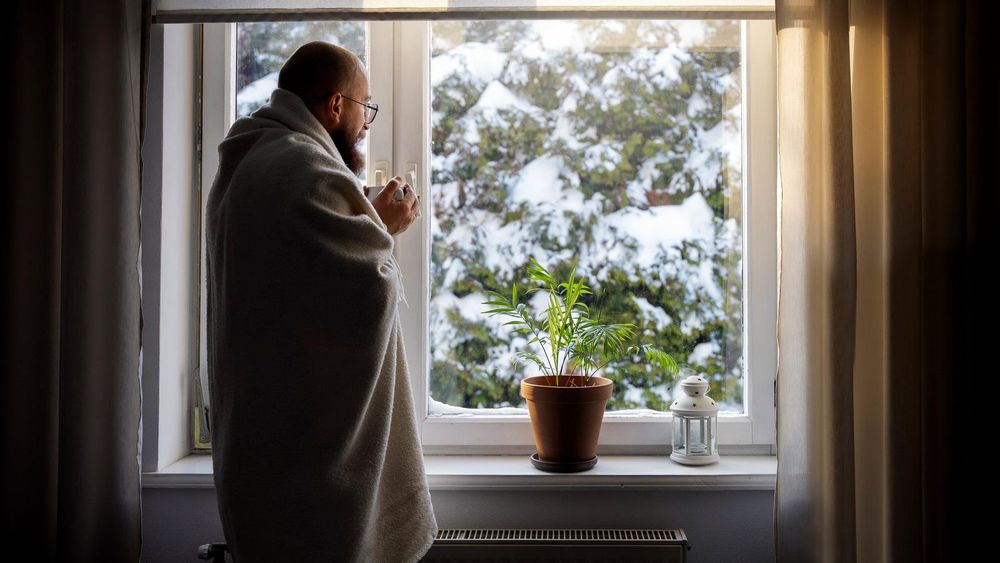
As the cold months arrive in South Africa, many families turn their attention to the pressing issue of heating their homes. While the most apparent expenses may include electricity bills, gas refills, and the purchase of heating appliances, there are hidden costs that can significantly inflate winter heating expenses. Recent findings suggest that South African households could be unknowingly squandering over R1,200 each month on unnecessary heating. This article will explore the less obvious culprits contributing to inflated energy bills and provide insights for households looking to trim their winter heating costs.
Understanding the Hidden Costs of Heating
A typical South African home consists of various rooms, including living areas, bedrooms, and home offices. However, many homeowners overlook the fact that heating spaces that are seldom occupied can lead to substantial energy waste. For example, a spare bedroom equipped with a 400W panel heater may not be in use throughout the winter months. If this heater operates for eight hours each night, it can consume around 96kWh of electricity over a month. Given the effective residential tariff of R3.20 per kWh, the cost can quickly add up to approximately R307 a month for a room that remains unoccupied for most of the year.
Similarly, with the rise of remote and hybrid work, many individuals forget to turn off their home office heaters after finishing their workday. A 400W panel heater running for just four extra hours daily can add about R154 to the monthly electricity bill. When combined, the costs of heating an unused bedroom and an unattended home office can easily surpass R460 a month, all for spaces that do not contribute to the household’s comfort.
Key Points to Consider
1. **Avoid Heating Unused Spaces**: One of the most effective ways to reduce heating costs is to refrain from heating rooms that remain largely unoccupied. Be mindful of turning off heaters in spare bedrooms and home offices when not in use.
2. **Open-Plan Living Spaces**: While open-plan layouts are designed for aesthetic appeal and enhanced natural light, they can inadvertently lead to higher heating costs. When a heater in a lounge is used while adjoining rooms remain open, the volume of air that needs to be heated increases significantly. This can require the heater to run longer, driving up energy consumption.
3. **Insulation and Draught Management**: Heat loss through windows and doors can exacerbate heating costs. Investing in proper insulation and sealing draughty windows can help maintain a consistent temperature, reducing the need for prolonged heating.
4. **Consider Efficient Heating Options**: Homeowners should assess different heating solutions. While electric heaters are commonplace, gas heating may offer a more economical alternative, particularly in areas where gas tariffs are lower than electricity tariffs.
Insights for Traders and Investors
For investors in the energy sector, understanding the consumer behavior related to heating expenses can provide insight into market trends. As households seek ways to minimize their winter costs, there may be an increased demand for energy-efficient appliances and insulation products. Companies offering innovative heating solutions or energy management services could see growth opportunities as consumers become more conscious of their energy consumption.
Additionally, as remote work becomes ingrained in the work culture, there could be a rise in demand for home office solutions that incorporate energy efficiency. Businesses that adapt to these changing consumer needs may find themselves at a competitive advantage.
Conclusion
Winter heating costs in South Africa are not solely dictated by the prices of electricity and gas; there are numerous hidden expenses that can accumulate quietly over the season. By taking a closer look at their heating habits and making conscious decisions regarding energy use, households can save significant amounts on their energy bills. As the winter months continue, homeowners should be vigilant in identifying and addressing the sources of unnecessary heating costs, ensuring they stay warm without breaking the bank. For those involved in the energy sector, these trends present potential investment opportunities that align with evolving consumer priorities.