
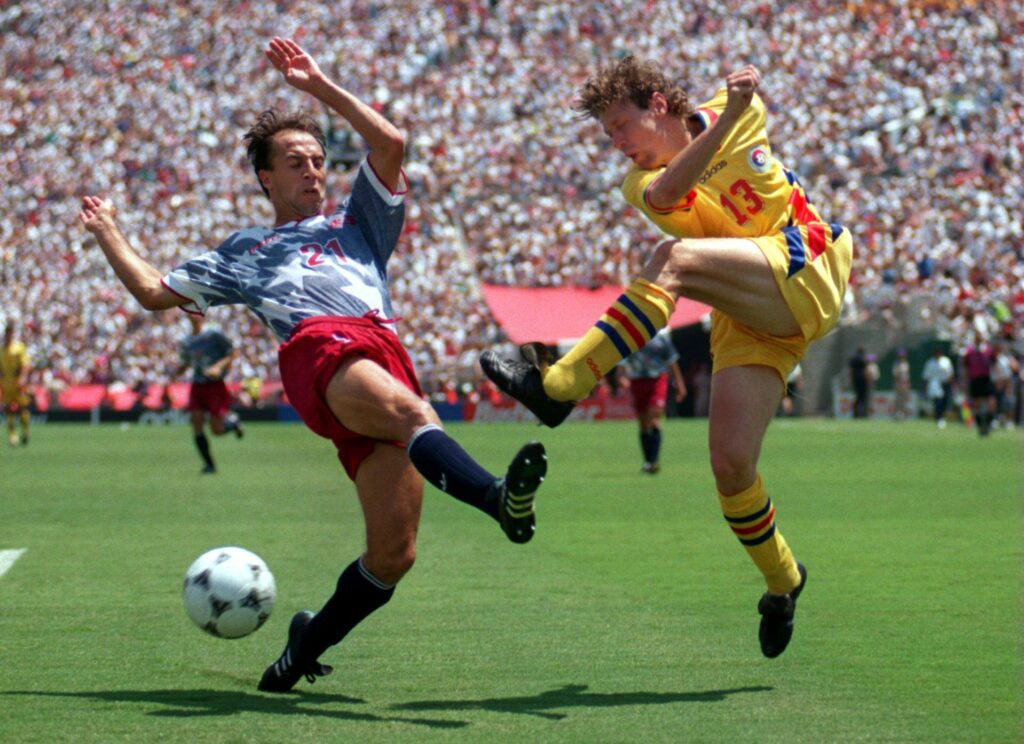
The world of sports is often a reflection of broader cultural and economic trends, and nowhere is this more evident than in the skyrocketing prices of World Cup final tickets. In 1994, tickets for the finals of the tournament held in the United States could be purchased for as little as $475. Fast forward to 2023, and the same tickets at MetLife Stadium in New Jersey are commanding prices exceeding $10,000. This dramatic increase is not merely a reflection of inflation; it signifies a transformation in the landscape of soccer in America and the global sporting arena.
In the early 1990s, the United States was not known for its soccer prowess. The country had little to show in terms of a domestic league, as the North American Soccer League had folded in 1984, leaving a soccer void that Major League Soccer would not fill until 1996. The uncertainty surrounding the 1994 World Cup was palpable, with many questioning whether Americans would embrace a sport that had yet to gain a firm foothold in the national consciousness. Alan Rothenberg, who was at the helm of the 1994 tournament, recalled the skepticism surrounding the event. As the president of U.S. Soccer and a prominent attorney with connections in the entertainment industry, Rothenberg understood that leveraging star power would be crucial. High-profile appearances from celebrities like Whitney Houston and Robin Williams were orchestrated to attract audiences and lend credibility to the event.
Despite the initial doubts, the 1994 World Cup ultimately proved to be a watershed moment for soccer in the United States. Sponsorship deals with household names like Gillette, McDonald’s, and Adidas helped to legitimize the event, while innovative advertising strategies utilized during the matches provided brands with unprecedented visibility. For instance, the broadcast networks ABC and ESPN creatively incorporated advertising into the live game through on-screen graphics, showcasing brands like Snickers and Coca-Cola in a manner that resonated with American viewers.
As the tournament progressed, American fans began to appreciate the nuances of the game, moving beyond the low-scoring matches that had initially deterred them. The excitement of witnessing a single great play or a heart-stopping moment became a thrilling experience, and the event’s atmosphere began to win over skeptics. Rothenberg aptly described the emotional rollercoaster experienced by fans, who were captivated from the opening kick to the final whistle.
Fast forward to today, and the World Cup has cemented itself as a marquee event on the global sports calendar, with the evolution of ticket prices serving as a concrete indicator of soccer’s growing popularity in the U.S. The decision to emulate the Super Bowl for the 2023 finals reflects a strategic shift in how the event is marketed. By incorporating elements like a halftime show featuring global pop icons such as Madonna, Shakira, and BTS, FIFA aims to draw in not only die-hard soccer fans but also a broader audience that may not traditionally engage with the sport.
Key takeaways from this evolution include a deeper understanding of the factors that drive ticket pricing in major sporting events. The combination of cultural shifts, strategic marketing, and the leveraging of celebrity influence has proven to be a successful formula for increased interest and attendance. The World Cup has transitioned from a skeptical curiosity to a celebrated spectacle, demonstrating soccer’s growing relevance in American sports culture.
For traders and investors, this trajectory underscores the importance of understanding market dynamics and consumer behavior. The increase in ticket prices is indicative of a broader trend in the sports industry, where premium experiences are becoming more sought after. The willingness of fans to pay top dollar for a seat at a major event reflects not only the perceived value of the experience but also the potential for investment opportunities in sports marketing, hospitality, and merchandise.
In conclusion, the substantial rise in World Cup final ticket prices from 1994 to 2023 serves as a testament to soccer’s burgeoning status in the United States. What began as a tentative exploration of the sport has evolved into a full-blown cultural phenomenon, with significant implications for stakeholders across the sports industry. As we look ahead, the ongoing evolution of soccer in America will likely continue to present new opportunities for investors and fans alike, marking a new era for the beautiful game.