
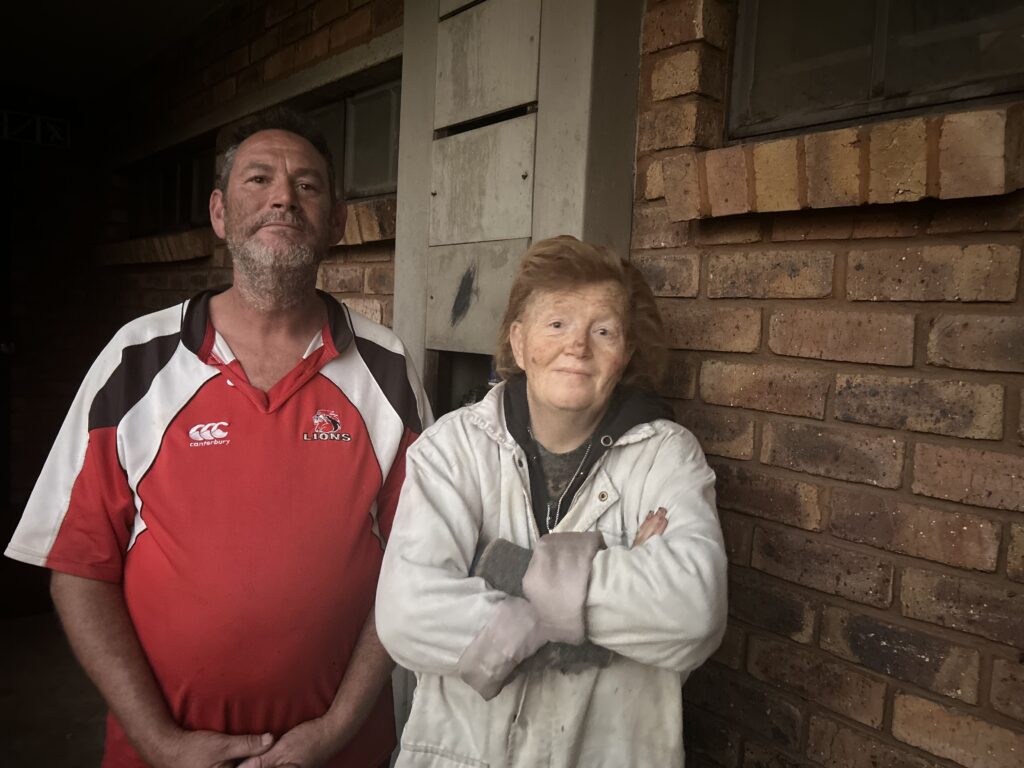
In recent years, the social housing landscape in South Africa has faced significant turmoil, drawing attention to the fragility of such initiatives. One alarming case exemplifies this struggle: Sondela Village, a social housing estate in Daggafontein, Springs, is on the brink of eviction for over 400 families. This situation highlights the pressing issues surrounding social housing management, regulatory compliance, and the impact on vulnerable communities.
Sondela Village, constructed in 2018 with the aim of providing affordable housing to low-income households, has become a cautionary tale of mismanagement and abandonment. Originally developed by Let’s Care, a non-profit organization, the estate was intended to be a beacon of hope for families earning between R1,850 and R22,000 monthly. However, the reality has turned grim. By 2022, residents began voicing their concerns about the deteriorating conditions and lack of oversight from the managing body. The situation worsened when the local municipality disconnected electricity due to unpaid bills, leading to widespread discontent among residents who relied on these basic services.
The financial mismanagement did not stop there. By 2023, Let’s Care had amassed a staggering debt of R1 million to the municipality, further exacerbating the issues within Sondela Village. As the organization abandoned the site, it left behind a trail of chaos: missing files, keys, and a complete breakdown of infrastructure. The Social Housing Regulatory Authority (SHRA) intervened, obtaining a court order to place Let’s Care under administration. Unfortunately, this move could not prevent the property from being hijacked by opportunistic individuals who illegally sublet rooms and even sold some units, despite legal restrictions against such actions.
A significant portion of Sondela Village’s funding came from the SHRA, which provided over R115 million in grants, alongside a R34 million loan from Nedbank to cover additional development costs. The intent was to create a sustainable living environment for families struggling to afford housing in a challenging economic climate. However, the emergence of hijackers and the lack of effective management have put the future of this project in jeopardy.
Key takeaways from this debacle reveal the multifaceted problems plaguing social housing in South Africa. Firstly, the need for stringent oversight by regulatory bodies cannot be overstated. A failure to maintain compliance not only jeopardizes the investments made in such projects but also threatens the well-being of the very residents they are meant to support. Secondly, the importance of community engagement and transparent communication is critical. Residents have expressed their willingness to pay rent if basic services like electricity are restored, yet a lack of guarantees from the SHRA has left them in a state of uncertainty.
For traders and investors keeping a close eye on the housing market, the Sondela Village situation serves as a stark reminder of the risks associated with investing in social housing initiatives. The potential for financial returns is significant, particularly within the context of South Africa’s housing shortage. However, the Sondela Village case illustrates how mismanagement and regulatory failures can not only lead to financial losses but also create social unrest and reputational damage.
As the SHRA attempts to regularize the situation, their efforts have been met with significant challenges. In September 2024, a new managing agent was appointed to take over the property, but the ongoing presence of hijackers has complicated their efforts. Although the SHRA has sought to mitigate the impact on residents by writing off rent arrears and offering new leases, only a fraction of households have agreed to these terms. The situation remains dire, with plans for evictions looming if a resolution cannot be reached.
In conclusion, the plight of Sondela Village highlights the critical need for improved management practices and regulatory oversight in the social housing sector. As families face the threat of eviction, the broader implications of this situation raise important questions about how to protect vulnerable communities and ensure that social housing initiatives serve their intended purpose. Moving forward, stakeholders must prioritize transparency, accountability, and community welfare to prevent similar tragedies from occurring in the future. The lessons learned from Sondela Village may well shape the future of social housing in South Africa, making it essential for all involved to advocate for meaningful change.