
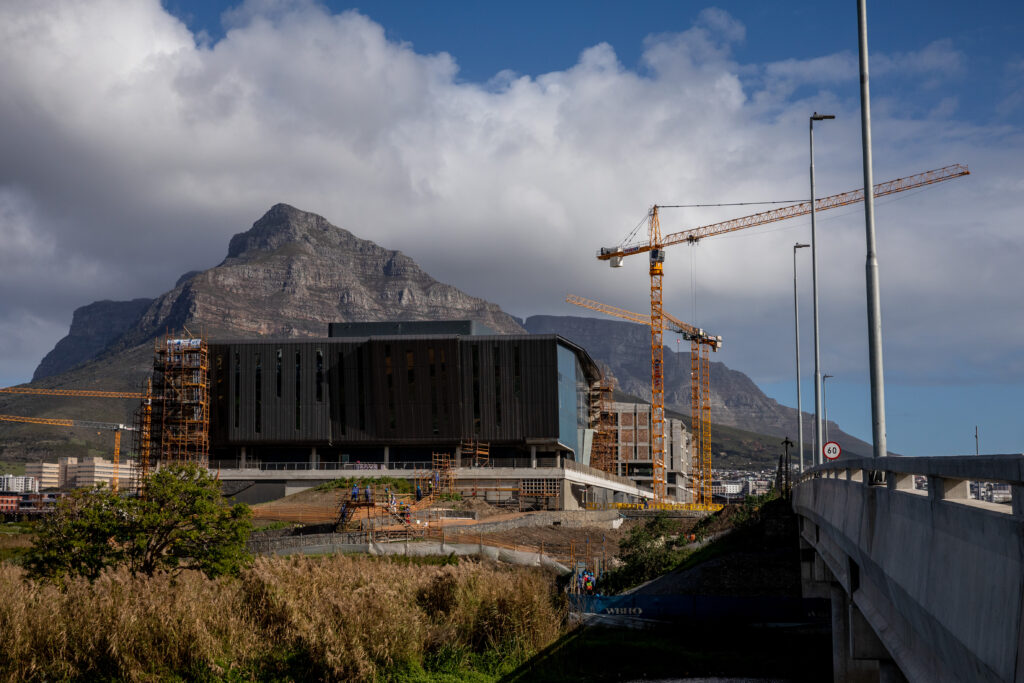
The vibrant city of Cape Town, often celebrated for its breathtaking landscapes and rich history, is experiencing a remarkable economic revival that is reshaping its skyline and altering the dynamics of South Africa’s economy. With significant investments pouring in, the city is not only reclaiming its status as a central hub in the nation but is also emerging as a beacon of hope amidst the challenges faced by other South African cities.
As we delve into this economic resurgence, it is essential to understand the factors propelling Cape Town’s growth and the implications for investors and traders alike.
In recent years, Cape Town has become a magnet for both local and international investments. A striking example is Amazon.com’s establishment of a $250 million African headquarters at the foot of the iconic Table Mountain. This move not only signifies a vote of confidence from one of the world’s largest tech companies but also heralds a new chapter for the city as it positions itself as a key player in the digital economy. Additionally, the real estate market is witnessing a surge, with buyers eager to secure luxury apartments near the V&A Waterfront—an area poised for a billion-dollar expansion that includes the introduction of the continent’s most luxurious Marriott hotel.
Historically, Cape Town was the economic heart of South Africa until the discovery of gold in Johannesburg in 1886, which shifted the center of wealth and development inland. However, current trends indicate that Cape Town is once again on the rise, while Johannesburg grapples with a host of challenges including stalled projects, corruption scandals, and fiscal strain. This divergence in fortunes illustrates a broader transformation within the South African economy.
The Western Cape, where Cape Town is the primary economic driver, has reported growth rates surpassing the national average. The city boasts the lowest unemployment rate among South Africa’s major urban centers and has generated more job opportunities than any other city in the past year. This economic vitality is not only attracting new residents but is also contributing to rising property values, as individuals seek to capitalize on the city’s promising prospects. Interestingly, Cape Town has surpassed Johannesburg in the number of taxpayers, emphasizing its growing economic strength.
Mayor Geordin Hill-Lewis, representing the Democratic Alliance, expressed his optimism about the city’s future during a recent public event. He emphasized Cape Town’s robust public services and stable government, highlighting the city’s potential as an attractive place for individuals and businesses alike. Hill-Lewis believes that these factors combined create a favorable environment for investment and growth.
However, amidst this burgeoning economic landscape, there are significant social challenges that cannot be overlooked. Despite the influx of capital and the city’s growth, Cape Town remains one of the most unequal cities in the world. The legacy of apartheid continues to cast a long shadow, with many townships still facing dire poverty, violence, and a lack of essential services. A recent report by the Centre for Sustainable, Healthy and Learning Cities and Neighbourhoods pointed out the stark inequalities within the city, indicating that many residents still lack access to basic necessities like clean water and sanitation.
The issue of inequality is compounded by the demographic disparities within the city’s political and business landscape, where a disproportionate number of the elite are white. Mayor Hill-Lewis has defended the government’s focus on capability over demographics, arguing that effective governance should take precedence in attracting investment and fostering growth.
For traders and investors, Cape Town’s revitalization presents a wealth of opportunities, particularly in sectors such as real estate, technology, and tourism. The influx of businesses like Amazon signals a shift towards a more diversified economy, which could lead to increased job creation and innovation. Furthermore, the city’s commitment to improving public services may enhance the overall quality of life, making it an even more attractive destination for both residents and investors.
In conclusion, Cape Town is witnessing a remarkable transformation that is reshaping its economic landscape. With significant investments, job growth, and a stable political environment, the city is poised for a bright future. However, it is crucial to address the underlying issues of inequality and ensure that the benefits of this growth are shared across all segments of the population. As Cape Town continues to evolve, it stands as a testament to the resilience and potential of South Africa’s economy, offering valuable lessons for other regions facing similar challenges.