
In a nation where infrastructure development is crucial for economic growth and safety, the South African National Roads Agency (Sanral) is embarking on a significant project to upgrade a segment of the N2 highway. With an investment nearing R2 billion, this initiative aims to enhance safety and improve traffic flow through the Wilderness area. However, the project also serves as a stark reminder of the complexities and financial challenges often associated with large-scale infrastructure endeavors.
The N2 highway is a vital artery for South Africa, connecting major cities and facilitating trade and travel. Yet, certain sections have fallen into disrepair, necessitating urgent upgrades. The current project focuses on rebuilding and enhancing a few kilometers of this route, specifically targeting areas with a high rate of access points. By reducing these access points and introducing traffic circles, Sanral aims to improve safety for motorists and pedestrians alike.
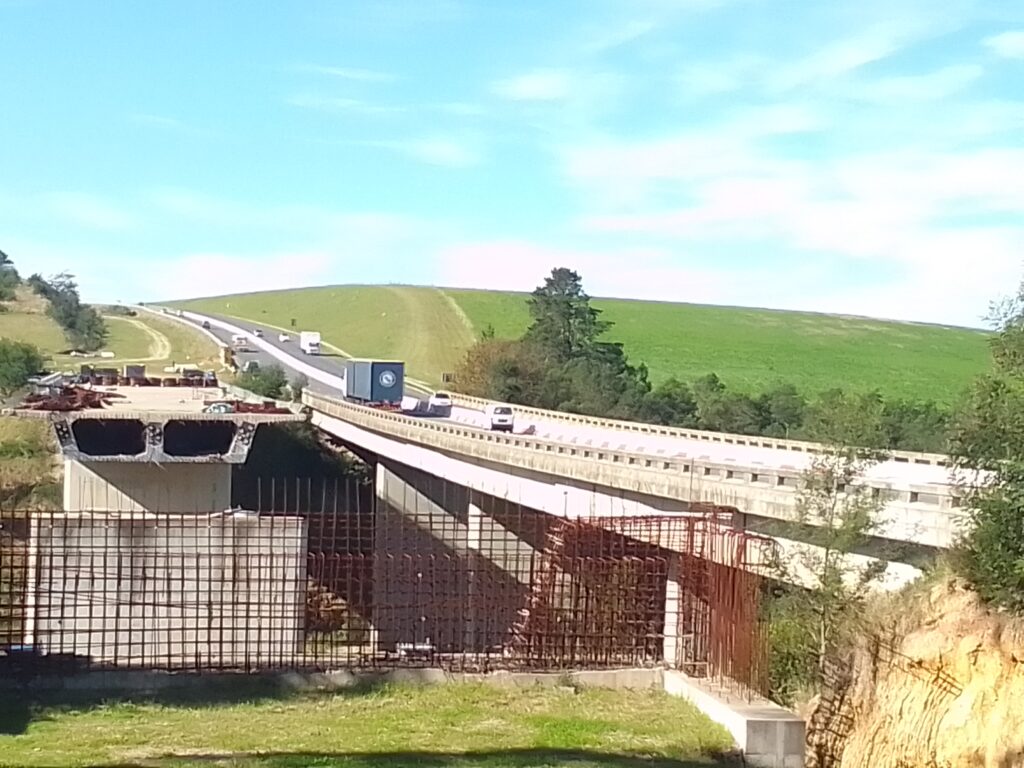
While this project has been largely welcomed by the community, it has also sparked concerns over another segment of the N2 that has faced significant delays. This particular stretch, located just four kilometers from George towards Cape Town, was initially set to undergo widening nearly a decade ago. However, it has been stalled for the past five years due to a combination of financial difficulties and unforeseen circumstances, including the global pandemic.
Sanral had initially awarded the contract for the widening project to KPMM Roads & Earthworks (Pty) Ltd. The plan included the construction of a second bridge over the Gwaing River to accommodate increasing traffic volumes. However, financial constraints quickly hampered KPMM’s ability to maintain progress. The original contract was set for 30 months, with a completion date of July 2020. Unfortunately, slow progress led to an extension until April 2021, but the situation deteriorated further when KPMM was unable to continue.
In a bid to salvage the project, Sanral re-assigned the contract to Mamlambo Construction, one of KPMM’s subcontractors, in November 2021. However, this new contractor also faced challenges, filing for voluntary liquidation just months after taking over the work. As of now, Sanral has reported that approximately 55% of the work has been completed, with R92.3 million already disbursed from the original tender of R141.4 million. Yet, the total cost to complete the project has ballooned to an estimated R174 million, largely due to rising material costs and the financial implications of delays.
There are several key takeaways from this situation. First, it highlights the importance of robust financial planning and management in large-scale infrastructure projects. Delays can lead to cost overruns and financial instability, which ultimately affect taxpayers and the economy at large. Additionally, the challenges posed by external factors, such as the COVID-19 pandemic, can exacerbate existing issues, making it essential for agencies like Sanral to have contingency plans in place.
For traders and investors, this case serves as a reminder of the interconnectedness of infrastructure development and economic performance. Well-maintained and efficient transportation networks are critical for commerce, affecting everything from logistics and supply chains to tourism. Therefore, investing in companies involved in infrastructure development or related sectors might be an attractive opportunity, especially in regions where governments are prioritizing such projects.
In conclusion, the ongoing upgrades to the N2 highway by Sanral are a crucial step towards improving safety and efficiency for South African motorists. However, the lessons learned from the delays and financial challenges faced by previous contractors illustrate the complexities involved in infrastructure projects. As stakeholders in the economy, it is essential to remain vigilant and informed about these developments, as they can have far-reaching implications not only for local communities but also for the broader economic landscape. The path to successful infrastructure investment is fraught with challenges, but with careful planning and execution, it can also pave the way for growth and opportunity.